
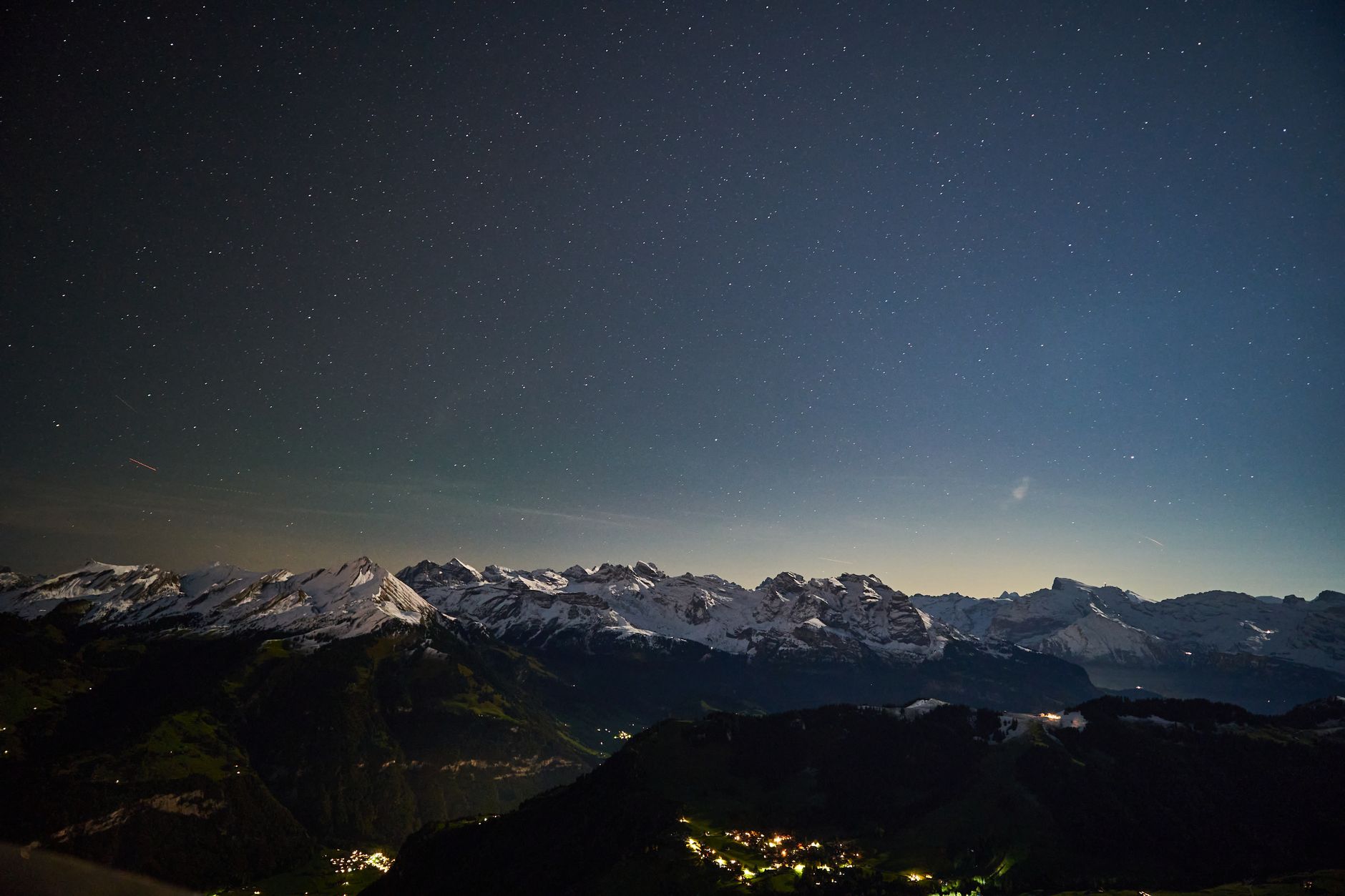
The Northern Lights, or Aurora Borealis, are a stunning natural phenomenon that many travelers dream of witnessing. While Colorado isn’t traditionally viewed as a top destination for aurora viewing, it does offer several opportunities to catch a glimpse of these colorful lights. In this guide, we will explore the best places, timing, and tips for seeing the Northern Lights in Colorado.
Whether you are an outdoor enthusiast, a family looking for adventure, or a solo traveler seeking tranquility, Colorado’s diverse landscapes and high-altitude locations provide some remarkable settings for your aurora viewing experience.
Where To See The Northern Lights In Colorado?
In Colorado, the Northern Lights can be best observed in less populated areas with dark skies, away from city lights. Places like the San Luis Valley, Rocky Mountain National Park, and the flat terrain of northeastern Colorado are ideal locations for this breathtaking spectacle.
Understanding the Northern Lights Phenomenon
The Northern Lights occur when charged particles from the sun collide with gases in the Earth’s atmosphere, creating colorful displays of light. These displays are usually more visible during autumn and winter months when nights are longer and skies are darker.
Best Times to See the Northern Lights in Colorado
The best chances to see the Northern Lights in Colorado typically occur between late September and early April. However, the most promising months are generally October, February, and March. Conditions such as solar activity, weather patterns, and light pollution can influence visibility.
Factors Affecting Visibility
Here are some factors to consider that can impact your chances of seeing the Northern Lights:
- Solar Activity: High solar activity correlates with increased chances of auroras. Monitoring space weather and solar cycles can help determine the best nights for viewing.
- Weather Conditions: Cloud cover can obstruct the view, so clear skies are essential for good visibility.
- Light Pollution: Selecting locations far from city lights will enhance your viewing experience.
Top Locations to See the Northern Lights in Colorado
Now that you know when to look for the Northern Lights, let’s explore some prime locations in Colorado where you’re likely to have success.
1. San Luis Valley
The San Luis Valley, particularly around the towns of Creede, Monte Vista, and Alamosa, is an excellent location for viewing the auroras. The vast flatlands provide unobstructed views of the northern horizon.
- Pros: Wide-open spaces, minimal light pollution, and high altitude.
- Cons: Accessibility may be limited in winter, so plan accordingly.
2. Rocky Mountain National Park
Rocky Mountain National Park is another remarkable site for aurora watching. Elevations range from 7,500 to 14,000 feet, and the park’s remote areas are far from urban lights.
- Recommended Spots: Bear Lake, Trail Ridge Road.
- Tips: Always check road conditions, as some areas may be closed in winter.
3. Flat Tops Wilderness Area
This beautiful area offers vast mountain views and pristine wilderness. Its high elevations provide excellent visibility for the Northern Lights.
- Access: Reachable via dirt roads, which may be impassable during snow.
- Recommended Time: Late evening hours post-sunset.
4. North Table Mountain
North Table Mountain, located near Golden, offers another good opportunity for aurora viewing. Its elevated position provides a birds-eye view of potential auroras in the north.
- Parking: Available at the trailhead.
- Safety: Stay on established paths and carry a flashlight.
5. San Juan Mountains
The San Juan Mountains in southwestern Colorado can at times offer glimpses of the Northern Lights due to their elevation and remote nature.
- Accessibility: Access may require some hiking.
- Considerations: Prepare for quickly changing weather conditions.
Planning Your Aurora Viewing Experience
To increase your chances of successfully seeing the Northern Lights, consider the following practical tips:
Choosing Accommodation
When planning your trip, opt for accommodations that place you near your preferred viewing spots. Remote cabins, lodges, or camping can enhance your experience. Here are a few accommodation suggestions:
- Cabins: Look for rustic cabins in the San Juan Mountains or Rockies.
- Hotels: Stay in towns with easy access to dark sky areas, such as Alamosa.
- Campsites: For outdoor enthusiasts, sites in the Rockies or wilderness areas can offer a unique experience.
Transportation
A rental car will likely be your primary mode of transportation. Here are some considerations:
- 4WD Recommended: Especially during winter months for access to remote areas.
- Plan Routes: Familiarize yourself with potential road conditions and be aware of your surroundings.
What to Bring
Here is a packing list to ensure you’re prepared for your aurora adventure:
- Warm clothing (layers, waterproof jacket, thermal gloves)
- Blanket or sleeping bag for comfort
- Camera with a tripod for night photography
- Telescope or binoculars for stargazing
- Snacks and hot beverages for warmth
- Flashlight with extra batteries
Safety Considerations
While chasing the Northern Lights, it’s important to prioritize safety:
- Always tell someone your plans before heading out to remote areas.
- Be aware of wildlife in the areas you are exploring.
- Monitor the weather, as conditions can change rapidly in mountainous terrain.
Photography Tips for Capturing the Northern Lights
Capturing the Northern Lights can be rewarding, but it requires specific techniques for great photographs:
- Use a Tripod: To stabilize your camera for longer exposure times.
- Manual Settings: Adjust ISO, shutter speed, and aperture settings for optimal results.
- Wide-Angle Lens: A lens with a wide aperture will allow more light to enter.
Suggested Camera Settings
Here are some suggested camera settings for optimal photography:
| Setting | Suggested Value |
|---|---|
| ISO | 800 – 3200 |
| Aperture | f/2.8 – f/4 |
| Shutter Speed | 10 – 30 seconds |
More to Explore Near Aurora Viewing Locations
While waiting for the Northern Lights to appear, Colorado offers plenty of additional attractions and activities:
- Hot Springs: Relax in natural hot springs found in locations like Pagosa Springs.
- Skiing: Numerous ski resorts offer winter sports, particularly in the Rocky Mountains.
- Hiking: Trails abound for daytime exploration, giving visitors a chance to soak in the stunning scenery.
Budget Considerations for Your Trip
Traveling to see the Northern Lights can be budget-friendly or splurge-worthy, depending on your choices. Here are key cost factors:
- Accommodation: Costs vary; consider booking in advance for better deals.
- Transportation: Don’t forget to include gas and potential road tolls.
- Food: Eating out can be pricey; consider buying groceries and cooking.
Estimating Your Costs
Here’s a rough breakdown to help you budget your trip:
| Item | Estimated Cost (per day) |
|---|---|
| Accommodation | $100 – $300 |
| Food | $30 – $70 |
| Transportation | $50 – $150 |
Final Thoughts
Witnessing the Northern Lights is a unique experience that can create lifelong memories. With careful planning and an adventurous spirit, you can enjoy this remarkable natural display in Colorado’s majestic landscapes. Prepare for cold nights, bring warm layers, and most importantly, be patient as you wait for the celestial show.
For those looking to further explore, check out articles on how often you can see the Northern Lights in Iceland or how far Steamboat is from Denver Airport for more travel insights tailored to your journey.