
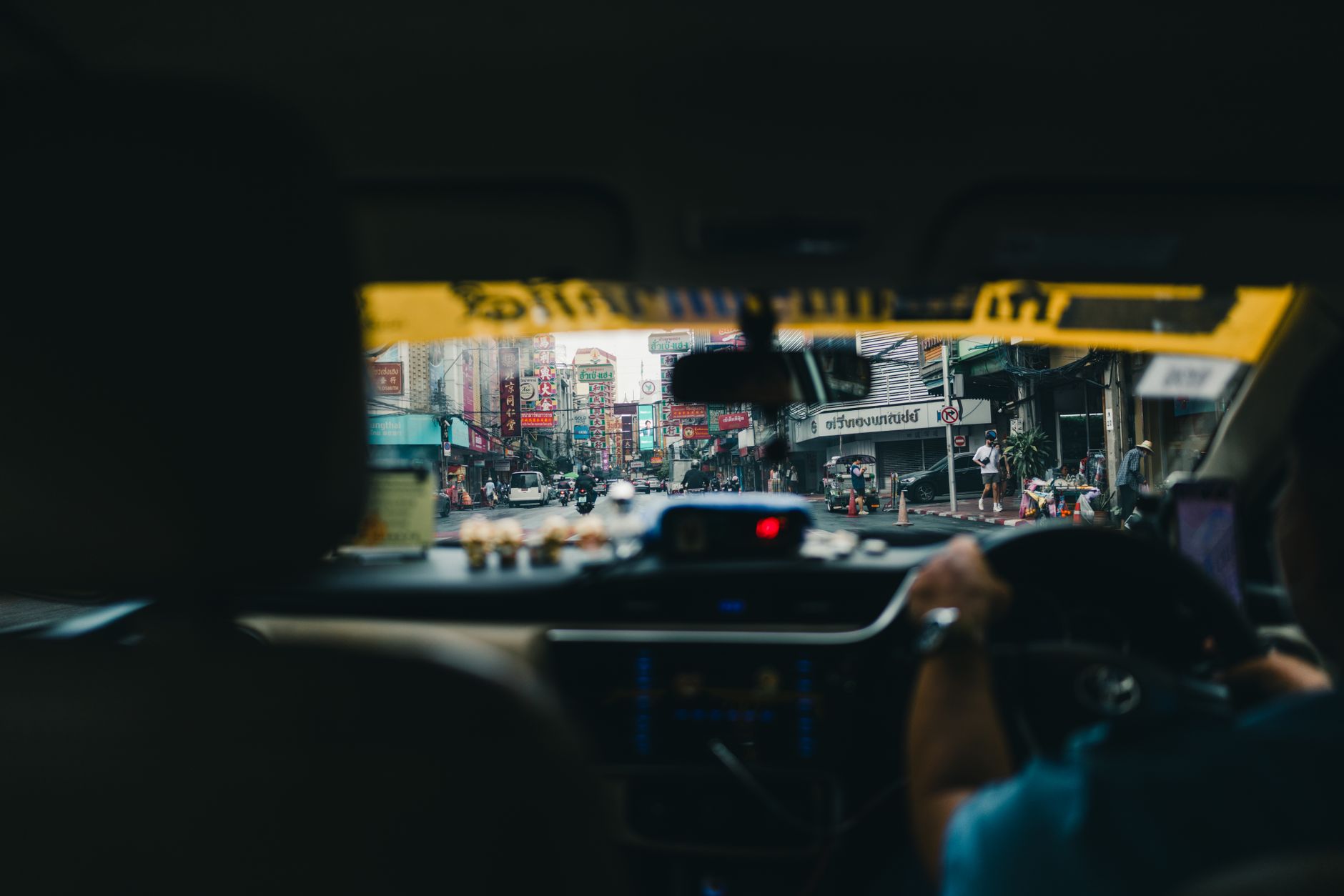
Japan is a captivating destination known for its rich culture, stunning landscapes, and advanced technology. If you’re planning a trip to this island nation, one of the logistical questions that arise is whether Japan drives on the left side of the road. Understanding the driving system is essential for visitors considering renting a car or navigating the country by vehicle.
The answer is yes, Japan drives on the left side of the road, a detail that is vital for travelers planning a road trip or considering renting cars while visiting. This article will guide you through the implications of driving on the left, driving rules, and other aspects you should consider before getting behind the wheel in Japan.
Does Japan Drive On The Left?
Yes, Japan drives on the left side of the road. The country adopted this driving system in the late 19th century, influenced by the British model. As a result, vehicles are designed with the steering wheel positioned on the right side, leading to different driving behaviors and road etiquettes.
Understanding Road Rules in Japan
Driving in Japan involves specific regulations that ensure safety for all road users. Here are some key road rules:
- Seat Belts: All passengers must wear seat belts.
- Drinking and Driving: The legal blood alcohol concentration limit is 0.03%. However, it’s advisable to avoid drinking altogether if you’re planning to drive.
- Speed Limits: Speed limits vary from 40 to 100 km/h (25 to 62 mph) depending on the area—urban areas are generally lower, while highways can be higher.
- Traffic Signals: Familiarize yourself with the signal colors and their meanings, as well as local traffic laws.
- Yielding to Pedestrians: Drivers must give way to pedestrians at crosswalks.
Obtaining a Valid License
If you plan to drive in Japan, ensure that you have the appropriate driver’s license. Travelers from some countries may need an International Driving Permit (IDP) in conjunction with their home country license. The IDP is a translation of your driving qualifications and is necessary for driving legally in Japan.
Renting a Car in Japan
Renting a car can offer the flexibility to explore Japan at your own pace. Here’s what you should know about rental procedures:
Where to Rent
Rental services are available at major airports and in urban areas. Companies like Nippon Rent-A-Car, Toyota Rent a Car, and Times Car Rental are popular and have English-speaking staff. Booking online is often more convenient.
Rental Process
- Make a reservation online or at a location.
- Provide necessary documents: your driver’s license, IDP, passport, and payment method.
- Review the rental agreement, including insurance options.
- Inspect the vehicle for existing damages before driving away.
Cost Considerations
The cost of renting a car in Japan can vary significantly based on vehicle type, rental duration, and insurance options. On average, you might expect to pay between ¥5,000 and ¥10,000 ($45 to $90) per day. Keep in mind additional fees for tolls and fuel.
Navigating Japan’s Roads
When driving in Japan, understanding how to navigate the road syste is crucial.
Road Types
Japan has various types of roads, including:
- Expressways: These are toll roads that connect cities and regions. Be prepared for toll fees, which can be paid at toll booths or through an electronic payment card.
- National Roads: These roads connect major cities and regions but are not toll-based. Speed limits on these roads vary, and they are generally well-maintained.
- Local Roads: These roads may be narrower and less maintained than expressways and national roads.
Using Navigation Systems
Modern navigation systems, including GPS, make it easier to drive around Japan. Many rental cars come equipped with navigation systems that support English. You can also use mapping apps on your smartphone, providing real-time traffic conditions and route suggestions.
Public Transportation: A Viable Alternative
While renting a car can be convenient, Japan boasts an extensive public transportation network that is efficient and reliable. Here’s a brief overview:
Train System
Japan’s train system is world-renowned, known for its punctuality and coverage. Consider getting a Japan Rail Pass if you plan to travel frequently between cities. Shinkansen, or bullet trains, offer a fast and comfortable travel option across long distances.
Local Transportation
For local travel, subways and buses are excellent choices. Cities like Tokyo and Osaka have intricate subway networks that are both affordable and efficient. Most signs are in both Japanese and English, making it easier for foreigners to navigate.
Traveling with Family: Safety and Comfort Considerations
Traveling with family in Japan can be a rewarding experience, but there are specific considerations for safety and comfort.
Child Safety Seats
When renting a car, you can request a child safety seat, which is mandatory for children under six years old. It’s critically essential to ensure children are securely restrained while driving.
Family-Friendly Destinations
Japan offers many family-friendly attractions, such as theme parks like Tokyo Disneyland and Universal Studios Japan, as well as numerous outdoor activities in the countryside.
Best Time to Visit Japan for Driving
The best time to drive in Japan often depends on the weather and seasonal festivals. Here’s a brief overview of the seasons:
Spring (March to May)
This season is famous for cherry blossoms. Roads can get crowded during hanami (flower viewing) festivals, particularly around popular parks.
Summer (June to August)
Summer can be hot and humid, with traffic jams during school holidays. Consider towing cooler garments and ample water.
Autumn (September to November)
Autumn offers breathtaking foliage, making it one of the most picturesque times to drive. Road conditions are favorable, and crowds are generally lighter post-summer.
Winter (December to February)
Some regions experience snow, particularly in northern areas. If you’re driving in winter, ensure your vehicle is equipped with winter tires and chains. Additionally, check for road conditions before traveling.
Budget Considerations While Driving in Japan
When planning a budget for your road trip in Japan, consider the following expenses:
Fuel Costs
Fuel prices in Japan can be higher than in some countries, ranging from ¥150 to ¥180 per liter ($1.30 to $1.60). Be sure to budget for this cost, especially for longer journeys.
Tolls
Toll fees depend on the distance traveled, especially on expressways. Use a toll calculator for estimates at toll gates.
Food and Accommodation
Food costs can vary widely; dining at convenience stores is more budget-friendly, while restaurants can range from affordable to upscale. For accommodations, options vary from budget hostels to luxury hotels, allowing you to find something that fits your budget.
Conclusion: Plan Ahead for a Smooth Road Experience
Driving in Japan can be an exhilarating way to explore the country’s diverse landscapes and rich culture. Since Japan drives on the left side of the road, it’s vital to adapt to this system while following the local road rules. Ensure you have a valid driver’s license, familiarize yourself with navigation systems, and consider the seasons for optimal travel conditions.
Embracing the driving culture in Japan can enrich your travel experience, allowing you to uncover beautiful sceneries and hidden treasures along the way. As you plan your journey, remember that public transportation is also an excellent, hassle-free option, especially in urban areas.
For further travel planning, check out these helpful guides on how much to travel to Japan and visa requirements for Japan.