
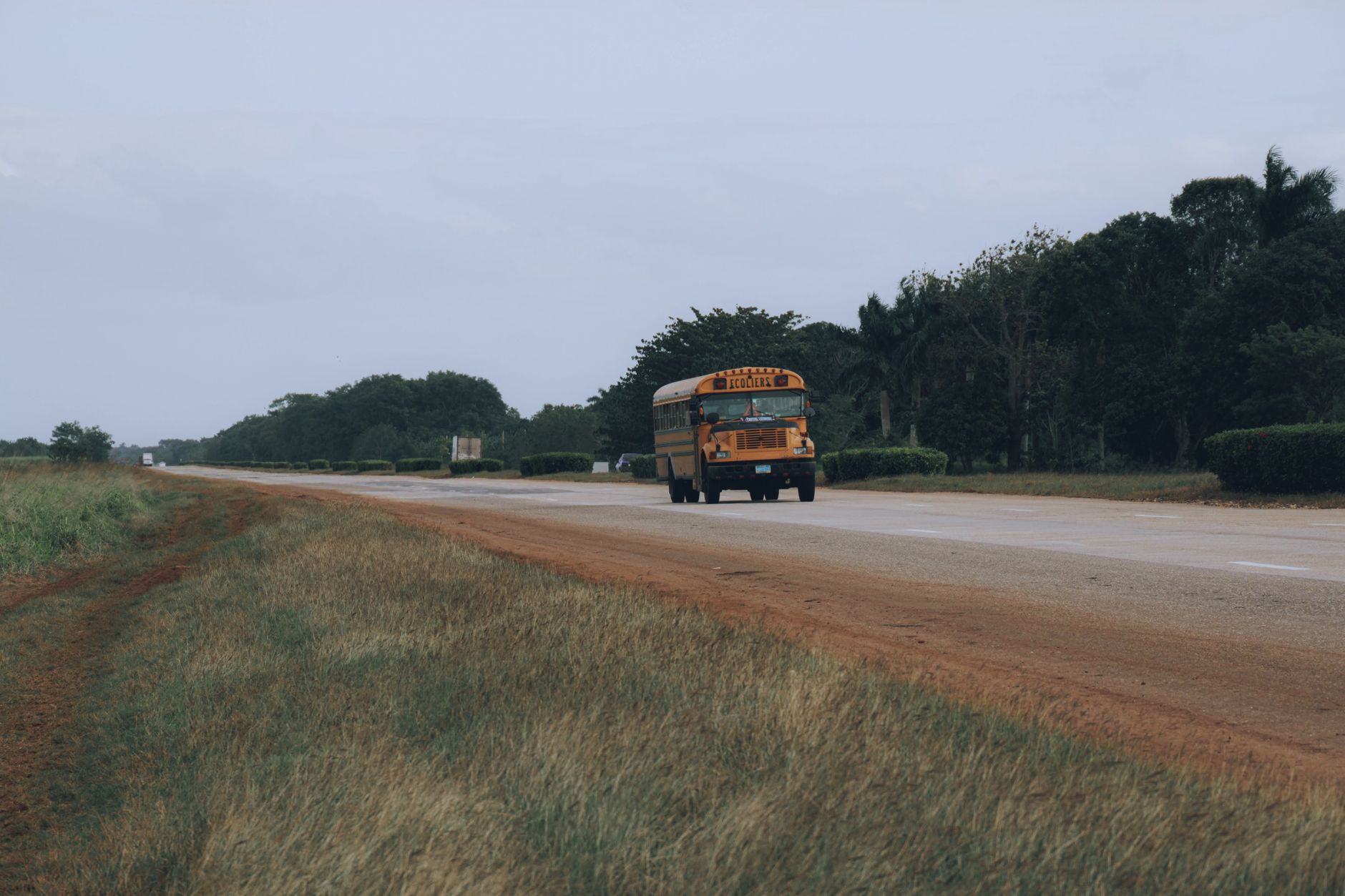
School buses are a familiar sight across neighborhoods in the United States. They are designed to transport children safely, yet many people wonder why these iconic yellow vehicles do not come equipped with seat belts. Understanding the rationale behind this design choice can shed light on both safety protocols and bus construction standards that differ vastly from standard vehicles. This article will explore the reasons behind the lack of seat belts in school buses, the safety measures that are in place, and what these design choices mean for students.
While it may seem intuitive that seat belts would enhance safety, the design of school buses incorporates other safety mechanisms. We’ll discuss how the concept of “compartmentalization” plays a significant role in protecting young passengers and examine the guidelines that influence school bus safety standards. Whether you’re a concerned parent or someone just curious about transport safety, this article offers clarity on an important topic.
Why Do School Buses Have No Seat Belts?
School buses do not have seat belts primarily due to a safety concept known as compartmentalization, which is designed to protect passengers in the event of a collision. This design approach emphasizes a bus’s structure, seats, and spatial arrangement to minimize injury without the need for traditional seat belts.
Compartmentalization involves the following key features:
- High Seat Backs: School bus seats are designed with high backs that create a protective zone around each passenger, reducing the risk of injury during a crash.
- Padded Seats: The seats are also well-padded to absorb impact, which provides additional safety in case of sudden stops or collisions.
- Strategic Seating Arrangement: Seats are positioned closely together and spaced within the bus to enhance the protective enclosure, effectively creating a “compartment” for passengers.
Understanding Compartmentalization
The National Highway Traffic Safety Administration (NHTSA) advocates for the compartmentalization method, believing that it effectively protects children without the use of seat belts. The design allows for passive safety, meaning that it relies on the bus’s structure rather than active restraint systems like seat belts.
In practical terms, should a frontal collision occur, the passengers are cushioned by the seats and are unlikely to be thrown forward as they would be in an automobile without adequate restraint systems. Research indicates that, historically, school buses are considerably safer than passenger cars, which has led to widespread acceptance of the current safety standards.
Regulatory Standards and Regulations
Different safety standards govern busing systems, particularly for school transport. These regulations set strict requirements for bus construction, including strength, durability, and safety features. In the U.S., these regulations are enforced by the NHTSA, which has deemed the current safety standards for school buses sufficient for protecting child passengers.
Consideration of crash statistics is also influential in these regulations. Data shows that school buses have dramatically lower accident-related fatality rates than passenger vehicles, reinforcing the stance that current safety features are adequate. Statistics reveal that school buses are approximately 70 times safer than passenger vehicles when it comes to transporting children to and from school.
Comparative Safety: Buses vs. Cars
To understand why seat belts aren’t necessarily required on school buses, comparing bus safety with car safety can be beneficial. Statistically, children are safer on buses than in cars for several reasons:
- The larger size of a bus provides more structural safety in a collision.
- They are designed with multiple safety features, including reinforced roofs and electronic stability controls.
- Bus drivers typically receive extensive training focused on safety protocols, which further ensures passenger safety.
Arguments for Implementing Seat Belts
- Enhanced Protection: Adding seat belts can provide an extra layer of security in various types of accidents, including lateral collisions.
- Behavioral Benefits: Seat belts may encourage children to stay seated and prevent disruptive behavior while the bus is in motion.
- Parental Concerns: Many parents feel a heightened sense of security with seat belts and prefer their children to be fastened in as an additional safety measure.
The National Highway Traffic Safety Administration has acknowledged that seat belts could provide added protection in specific circumstances. However, they also emphasize that the existing compartmentalization measures have proven effective over decades.
States and School Districts Taking Action
Some states and school districts have recognized parental concerns and have implemented new policies regarding seat belts in school buses. Here are some actions being taken:
- States like California and New Jersey have enacted laws to require seat belts on new school buses for added safety.
- Some school districts have taken the initiative to install seat belts on their entire fleet of buses voluntarily, aiming to enhance safety measures.
- Various organizations and advocacy groups continue to lobby for more stringent regulations regarding seat belts, striving for universal implementation across all school buses in the U.S.
Public Perception and Safety Education
The perception of seat belts in school buses is closely intertwined with general public attitudes toward safety. Educating parents and school administrators about the rationale behind existing safety measures is crucial for alleviating concerns. Transparent discussions about the efficacy of compartmentalization and the statistically safer environment of school buses can help foster understanding.
Moreover, safety education for children — including proper bus behavior and emergency procedures — remains a fundamental component of road safety initiatives. Children should be taught how their behavior can impact their safety on the bus, regardless of whether seat belts are present. Ongoing education is essential for promoting a safer travel environment.
Implications for Future Regulations and Design
As transportation technology evolves and new safety designs emerge, the conversation surrounding seat belts in school buses is likely to develop further. Changes in regulations, advancements in safety technology, and public sentiment can shape the future design of these vehicles.
Instances of accidents involving school buses, especially those that result in injuries, may accelerate the discussions around incorporating seat belts. As innovation in automotive safety technology progresses, even bus designs may evolve to include features that enhance both compartmentalization and active restraint systems.
Conclusion
In summary, while the lack of seat belts in school buses may raise questions among parents and community members, the concept of compartmentalization has been proven effective in providing safety for young passengers. School buses provide a safer mode of transportation for children than individual vehicles. The ongoing debate regarding seat belts may lead to changes in regulations and design, but as of now, the current safety standards remain intact. Parents and communities can remain assured that the measures in place aim to prioritize the safety of children as they travel to and from school.
To dive deeper into transportation safety and planning your travel needs, explore guides on how many seats are in a school bus and when you do or do not need a passport to travel to Hawaii by visiting our site.