
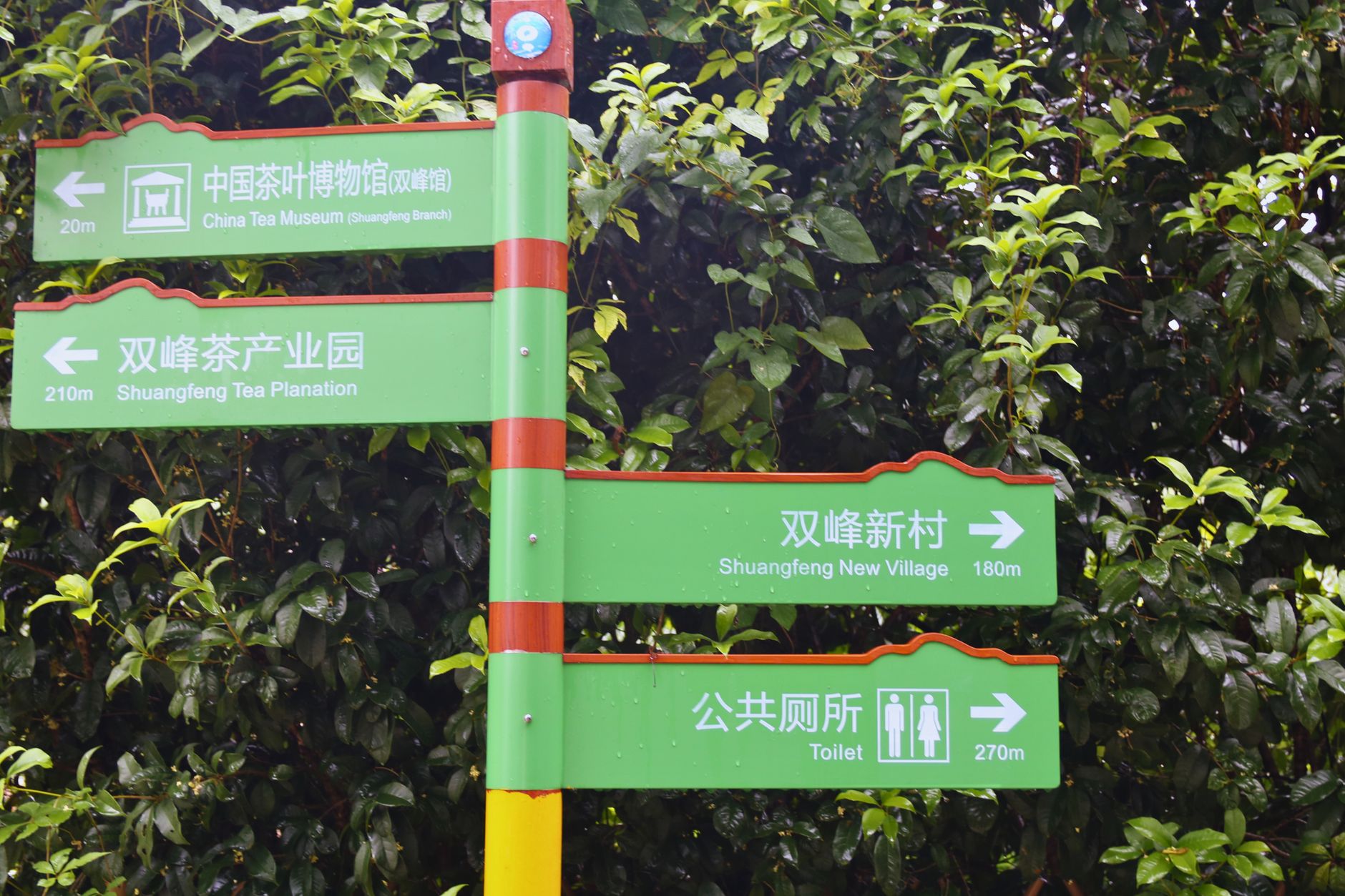
Understanding road signs is essential for any traveler, whether you’re navigating a busy city or exploring rural areas. Road signs communicate vital information about traffic regulations, road conditions, and general guidance to ensure safety and smooth travel. Knowing what these signs mean can significantly enhance your journey by preventing confusion and potential hazards.
In this article, we will explore various types of road signs, their meanings, and why it’s crucial to be familiar with them. From standard warning signs to unique symbols found in different countries, we will help you interpret these signs effectively for a better travel experience.
What Does This Road Sign Mean?
Each road sign has a specific purpose, and understanding these can help drivers respond appropriately to their environment. Common road signs may include warnings about hazards, directions for traffic flow, and indications of road conditions. Each sign is designed to convey important information quickly and clearly.
Types of Road Signs
Road signs are classified into several categories based on their purpose. Here are the main types:
- Regulatory Signs: These signs inform drivers of the laws they must obey, such as stop signs, yield signs, and speed limits.
- Warning Signs: These signs alert drivers to potential hazards or changes in road conditions ahead. Examples include curve signs, deer crossing signs, and construction zone signs.
- Guide Signs: Help drivers with navigation and provide information about routes, distances, and points of interest. Examples include exit signs, directional signs, and mile markers.
- Informational Signs: These signs provide additional information, such as rest area locations, gas stations, and nearby attractions.
- Temporary Signs: Found in construction zones or areas undergoing maintenance, these signs give crucial information about detours and changes in traffic patterns.
Common Regulatory Signs
Regulatory signs must be followed for safe driving. Missing or ignoring these signs can lead to traffic violations or accidents. Here are some common regulatory signs with their meanings:
Stop Sign
A stop sign indicates that drivers must come to a complete stop and check for other vehicles or pedestrians before proceeding.
Yield Sign
A yield sign informs drivers that they must slow down and yield the right of way to other vehicles or pedestrians.
Speed Limit Sign
Speed limit signs indicate the maximum speed allowable for a particular section of road. Exceeding this limit can result in fines and increased risk of accidents.
Typical Warning Signs
Warning signs are crucial for alerting drivers to potential hazards that may affect their ability to drive safely. Here are some common warning signs:
Curve Sign
This sign indicates a sharp turn or curve in the road ahead. Drivers should reduce their speed to navigate safely.
Deer Crossing Sign
This sign notifies drivers of areas where deer frequently cross the road, prompting them to be cautious and watch for wildlife.
Construction Sign
Construction signs warn drivers of ongoing work on the road, indicating that they may need to slow down or take alternate routes.
Guide Signs Explained
Guide signs assist drivers in finding their way and understanding where they are in relation to their destination. Notable guide signs include:
Exit Sign
Exit signs inform drivers that an exit is approaching, allowing them to prepare to leave the highway or major road.
Mile Marker Sign
Mile marker signs provide distance information on highways, indicating how far a driver is from a specific destination or state line.
Understanding Informational Signs
Informational signs possess essential details that can enhance travel experiences. Common examples include:
Rest Area Sign
This sign directs drivers to nearby rest areas where they can stop, take breaks, and refresh before continuing their journey.
Gas Station Sign
Gas station signs inform drivers of nearby fuel options, crucial for those venturing long distances.
Temporary Signs and Their Importance
Temporary signs appear during roadwork or other temporary circumstances, and understanding them is vital for safety and navigating road changes. Typical temporary signs include:
Detour Sign
This sign directs drivers to an alternate route due to road closures or obstructions. It’s essential for maintaining traffic flow and ensuring safety.
Road Work Ahead Sign
This sign alerts drivers that construction work is taking place ahead, reminding them to proceed with caution and reduce speed.
Seasonal and Regional Sign Variations
In some countries, road signs may vary in design, color, or symbols used. Travelers should familiarize themselves with local road signs, which commonly differ in Asia, Europe, or South America. Here are a few examples:
International Signage
Countries participating in the Vienna Convention on Road Signs and Signals have standardized many signs, but local variations may exist. Researching local regulations and signs before traveling can help avoid misunderstandings.
Icons and Symbols
Unique symbols or icons may represent certain warnings or guidance in different regions. Understanding these locally used signs ensures travelers navigate effectively without confusion.
Conclusion
Understanding road signs is an essential part of safe travel, helping drivers comply with regulations and avoid dangers. Familiarizing yourself with the types of road signs and their meanings can ensure a smoother travel experience. Always stay vigilant while driving, as road conditions and regulations can change.
For more insights into road signs and travel tips, consider exploring related resources. Learn about red and white triangular signs or understand the implications of do not enter signs. Safe travels!