
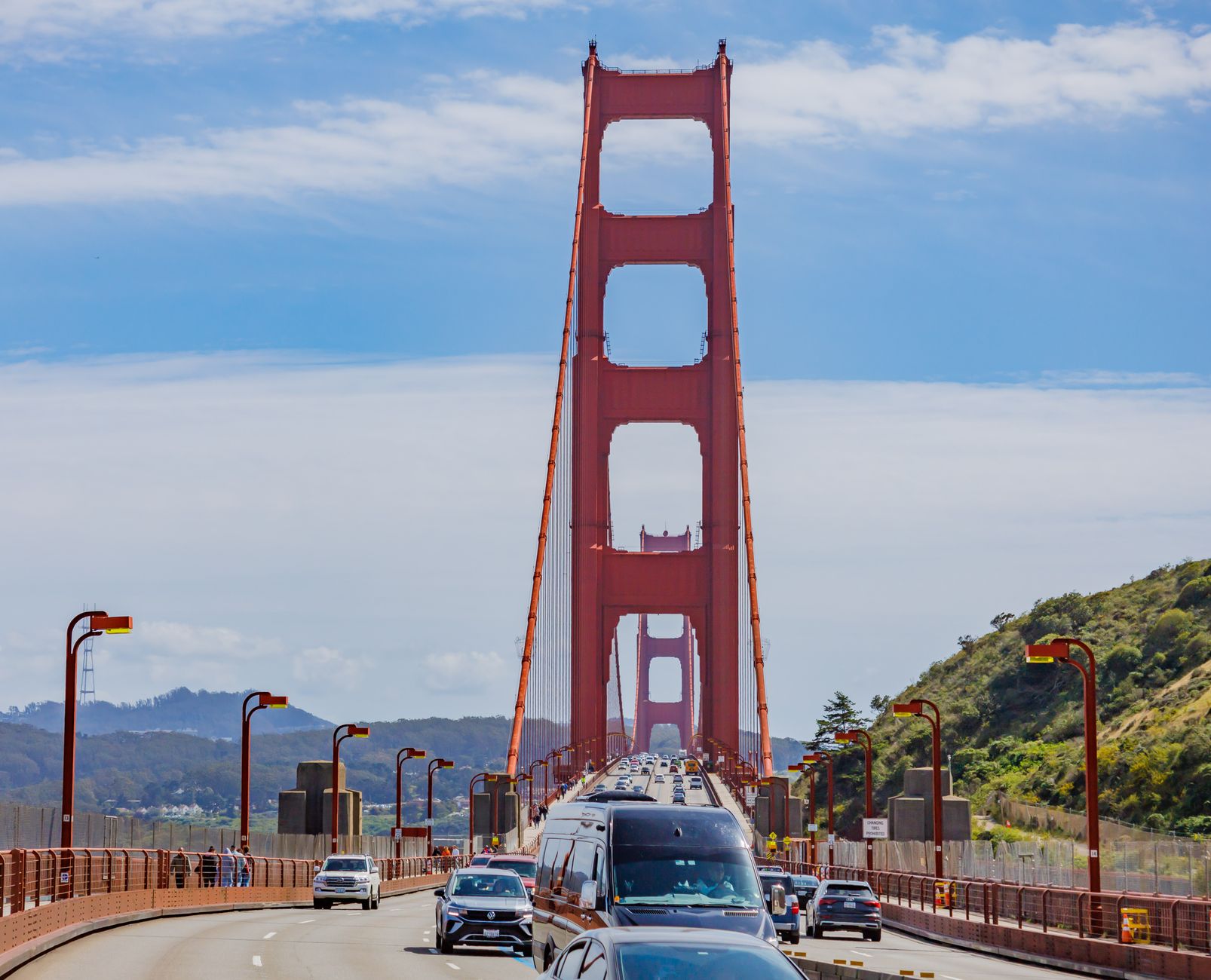
The Mackinac Bridge is an iconic landmark in Michigan, connecting the Upper and Lower Peninsulas. Spanning approximately five miles, this engineering marvel provides breathtaking views and a unique travel experience. For anyone planning a trip to this area, it’s essential to understand how long it takes to cross the bridge and what factors might influence your journey.
This article explores various aspects of crossing the Mackinac Bridge, including travel time, traffic considerations, and tips for making the most of your visit. Whether you’re driving through or stopping to take in the sights, you’ll find practical information to aid your travel planning.
How Long Does It Take To Cross The Mackinac Bridge?
Crossing the Mackinac Bridge typically takes about 10 minutes by car, depending on traffic conditions and weather. However, various factors can impact this time, including busy tourist seasons and any potential construction or weather delays.
Factors Affecting Your Crossing Time
Understanding the elements that can affect your travel time across the Mackinac Bridge will help you plan accordingly. Here are the primary considerations:
Traffic Conditions
The volume of traffic can significantly influence how fast you can cross the bridge. During peak tourist seasons, such as summer and holidays, the bridge may experience heavier traffic.
Driving Speed and Bridge Regulations
The speed limit on the Mackinac Bridge is 25 mph for safety reasons. Adhering to this limit is crucial, both for your safety and the safety of others. Additionally, during adverse weather conditions, speed restrictions may be enforced, further affecting your travel time.
Weather Conditions
Weather can play a substantial role in how long it takes to cross. High winds, rain, fog, or snow can reduce visibility and lead to slower driving conditions. It’s always wise to check the weather before embarking on your journey.
Bridge Construction and Maintenance
Occasionally, maintenance work or construction may be scheduled on the bridge, which can impact crossing times. It’s a good idea to check for any scheduled maintenance or construction updates on the Mackinac Bridge Authority’s official website before your trip.
Planning Your Visit: Best Times to Cross
Choosing the right time to visit the Mackinac Bridge can enhance your experience significantly. Here are some insights regarding the best times to cross.
Summer Season
Summer is undoubtedly the busiest time to visit the Mackinac Bridge. While the weather is typically pleasant, expect heavy traffic, especially on weekends. If possible, try to cross early in the morning or later in the evening to avoid congestion.
Fall Color Tours
Autumn brings stunning fall foliage, making cross the bridge a scenic experience. September and October are particularly popular for fall color tours. While there may be a bit more traffic than usual, the views can be well worth the wait.
Winter Wonderland
Crossing the bridge in winter provides a unique perspective, with rarely seen views of the frozen waters below. However, be aware of potential snow and ice conditions, which may require slower travel speeds and increased caution. The bridge is open year-round, but be sure to check local conditions beforehand.
Things to Do and See on the Mackinac Bridge
While crossing the Mackinac Bridge itself is often a quick experience, consider taking some time to appreciate what it has to offer. Here are some activities and viewpoints to enhance your trip:
Scenic Pull-Off Areas
On the bridge, there are designated pull-off areas where you can stop safely to take photographs and enjoy the view. These spots provide excellent opportunities for panoramic views of the straits and surrounding landscape.
Visitor Center
If you want to learn more about the bridge’s history and construction, visit the Mackinac Bridge Visitor Center located in St. Ignace. The center includes informative exhibits that provide insights into the engineering marvel’s significance.
Walking the Bridge
The Mackinac Bridge also has a program allowing pedestrians to walk across the bridge. During select hours, usually on Labor Day, you can traverse the entire length of the bridge on foot. This unique experience gives you an up-close view of the bridge’s architecture and stunning views of the water.
Traveling to and from the Mackinac Bridge
Understanding how to get to the Mackinac Bridge is essential for seamless travel. Here are some pointers on the best routes and transportation options.
Getting There by Car
The bridge is easily accessible by car from both the Upper and Lower Peninsulas. Major highways leading to the bridge include:
- U.S. Highway 2 from the west
- M-119 from the east
- I-75 from the south
Consider potential traffic conditions on these routes, especially during peak tourist seasons when you may encounter delays.
Public Transportation Options
While public transportation is limited, there are shuttle services from local locations, particularly during peak seasons. Equipped with a rental car or personal vehicle is the most convenient way to explore the area and cross the bridge.
Accommodations Near the Mackinac Bridge
If you plan to stay in the area, you’ll find a variety of accommodation options ranging from charming bed and breakfasts to hotels. Here’s a quick overview of some popular options:
St. Ignace
Located on the northern side of the bridge, St. Ignace offers a range of hotels and motels. This area serves as a convenient base for exploring the bridge and nearby attractions such as Mackinac Island.
Mackinaw City
On the southern end of the bridge, Mackinaw City provides numerous lodging options, including hotels, motels, and campgrounds. This city is also close to ferry services to Mackinac Island and other attractions.
Budget Considerations for Crossings and Visits
While crossing the Mackinac Bridge itself is free for automobiles, planning your budget for the surrounding area is advisable. Here are some costs to consider:
Accommodation Costs
Hotel prices can vary significantly depending on the season and location. Summer weekends tend to be the most expensive, while weekdays and the off-season can offer better rates.
Transportation Costs
If you’re not driving, factor in transportation costs, including rental cars or shuttle services. It’s also useful to budget for additional expenses while visiting nearby attractions.
Attraction Fees
While some attractions are free, such as walking the bridge or accessing scenic overlooks, others may charge entrance fees. Always check ahead for current rates and hours of operation for any sites you wish to visit.
Safety and Accessibility Considerations
Traffic Safety
Always adhere to speed limits and watch for signs. The Mackinac Bridge can experience strong winds, particularly during storms, so be prepared to adjust your driving accordingly.
Accessibility
The Mackinac Bridge is equipped with designated lanes for commercial traffic; however, the bridge is open to all types of vehicles. The visitor center offers accessible facilities to ensure everyone can enjoy their time learning about the bridge’s history.
Weather Preparation
Always check the weather before traveling. If conditions are severe, consider delaying your trip until it is safer to cross. Dress appropriately based on the forecast, especially if you plan to stop and enjoy the view or walk on the bridge.
Summary and Next Steps
Crossing the Mackinac Bridge is a memorable experience that typically takes about 10 minutes. However, factors such as traffic, weather, and construction can affect your crossing time. Planning your visit according to seasonal traffic patterns and considering nearby attractions will enhance your journey.
Now that you’re equipped with detailed information for crossing the Mackinac Bridge, explore related destination guides to plan the rest of your trip. Check out how many bridges from Miami to Key West or learn how long it takes to get to Bali for more travel insights.