
Traveling is often filled with excitement and new experiences, but understanding the various signs that guide us is crucial for a safe journey. A red and white triangular sign is commonly seen on roads around the world, and knowing its meaning can keep you informed and secure on the road. This article delves into the significance of these signs, their common uses, and best practices when you encounter them during your travels.
The red and white triangular sign primarily serves as a warning sign, alerting drivers to potential hazards or changes in road conditions ahead. Understanding these signs is vital for both safety and compliance with local traffic regulations. Below, we explore the different contexts in which you might encounter these signs, other important traffic symbols, and tips for navigating roadways safely.
What Does A Red And White Triangular Sign Mean?
A red and white triangular sign is a universal warning sign indicating that drivers must proceed with caution. This traffic sign often points to potential hazards, such as curves, intersections, pedestrian crossings, or reduced speed limits. When you see one of these signs, it prompts you to be alert and ready to react appropriately to the situation ahead.
Common Uses of Red and White Triangular Signs
Across different countries and road systems, red and white triangular signs warn drivers about specific conditions or situations. Here are some of the most common uses:
- Yield: Known as the yield sign in many places, this sign signals that drivers must give way to oncoming traffic or pedestrians.
- Curve Ahead: Triangular signs can indicate that a curve or bend in the road is approaching, advising drivers to slow down.
- Intersection Ahead: This sign alerts drivers that an intersection may be ahead, requiring caution and preparedness to stop.
- Pedestrian Crossing: When you see this sign, be prepared for pedestrians who may be crossing the road.
- Slippery Road: This warning sign indicates that road conditions may be slick, urging drivers to reduce speed.
How to Respond When You See a Red and White Triangular Sign
Knowing the meaning of these signs is only part of staying safe on the road. Here’s how to respond effectively when you see a red and white triangular sign:
- Reduce Speed: Slow down as you approach the sign, giving yourself time to assess the situation.
- Look for Additional Signs: Check for other signs in the area that may provide more information about what to expect.
- Stay Alert: Be prepared for new conditions or potential hazards, especially when driving in unfamiliar places.
- Yield if Necessary: If the sign indicates a yield or merging situation, be ready to give way to other road users.
Variations of Warning Signs by Region
While the red and white triangular sign has universal meanings, variations exist based on regional traffic regulations. Here are some notable differences:
North America
In the United States and Canada, the yield sign is a red triangle with a white interior. This sign specifically instructs drivers to slow down, yield to other vehicles, and give way to pedestrians.
Europe
In many European countries, yield signs are also red and white triangular shapes. However, some nations may have slight variations in design or additional text indicating specific local rules.
Asia
In Asia, while many countries follow international standards for traffic signs, variations exist that reflect local driving habits and regulations. Always refer to local driving guidelines.
Australia
Australia uses a red triangular yield sign similar to those found in North America and Europe. Familiarizing yourself with Australian road rules can enhance safety while driving.
Red and White Triangular Signs vs. Other Traffic Signs
Distinguishing red and white triangular signs from other traffic signs is critical for safe navigation. Here’s a brief comparison:
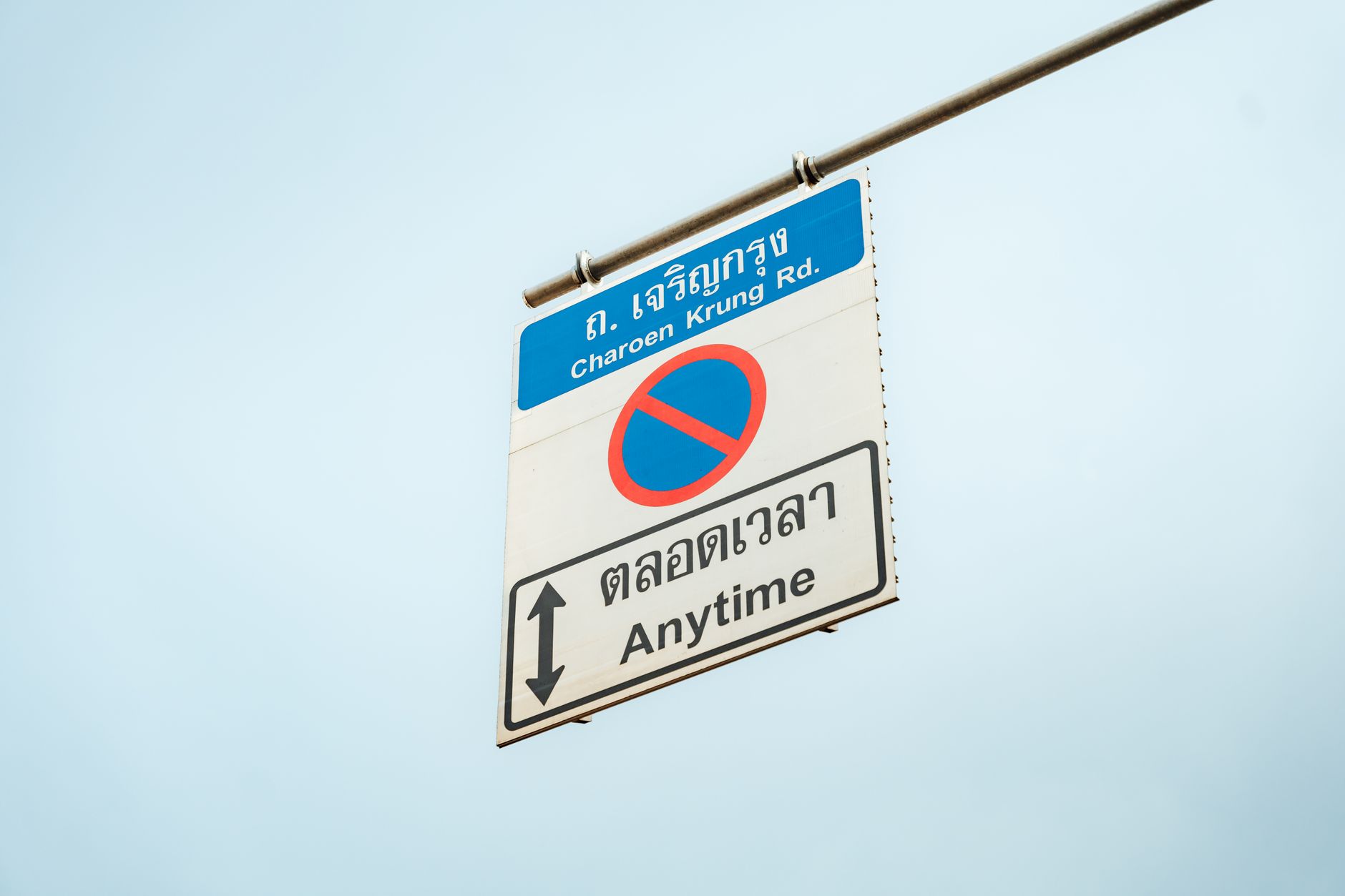
- Regulatory Signs: Generally round and may include colors like red, green, or blue, these signs indicate laws, such as ‘no parking’ or ‘stop’ signs.
- Warning Signs: Besides triangular signs, warning signs may also be diamond-shaped and indicate various hazards ahead.
- Informational Signs: Rectangular in shape, these signs provide information about directions, distances, or points of interest.
Practical Tips for Driving Safely
When on the road, your driving safety is paramount. Consider these practical tips for safe driving, particularly when you encounter red and white triangular signs:
- Practice Defensive Driving: Always be prepared for the unexpected and maintain a safe following distance.
- Use Turn Signals: Indicate your intentions to other drivers to minimize confusion on the road.
- Avoid Distractions: Stay focused on driving by limiting phone use and avoiding multitasking while behind the wheel.
- Regular Vehicle Maintenance: Ensure your vehicle is in good condition by keeping up with routine maintenance and checks.
The Importance of Understanding Road Signs
A solid grasp of road signs, including red and white triangular ones, can significantly enhance your travel experience. Here’s why understanding these signs matters:
- Increased Awareness: Knowing what to expect empowers you to handle various road conditions more effectively.
- Improved Safety: Complying with traffic rules reduces the risk of accidents, hazards, and liabilities.
- Legal Compliance: Understanding road signs helps you adhere to local traffic laws, avoiding fines and penalties.
What to Do If You Encounter Road Hazards
Even with knowledge about road signs, unpredictable situations may arise. Here’s how to handle various scenarios:
In Case of an Accident
If you encounter an accident while driving, follow these steps:
- Check yourself and passengers for injuries.
- Move to a safe area if possible, and turn on your hazard lights.
- Call emergency services and provide location details.
- Exchange information with the other driver and document the scene.
Hazardous Weather Conditions
Severe weather can also create challenges. Here are precautions to take:
- Reduce speed and increase following distance in rain or snow.
- Use headlights during low visibility conditions.
- Avoid sudden maneuvers that could cause skidding or loss of control.
How to Prepare for a Road Trip
Before embarking on a road trip, preparation makes a huge difference in your experience. Here are some tips to consider:
- Check the Route: Familiarize yourself with the roads and potential hazards.
- Pack an Emergency Kit: Include essential items such as a first aid kit, flashlight, water, and non-perishable snacks.
- Get Your Vehicle Serviced: Schedule a maintenance check to ensure your vehicle is road-ready.
Conclusion
Understanding the meaning of red and white triangular signs is crucial for any traveler, ensuring safety and compliance on the road. Next time you hit the road, remember to stay vigilant and react appropriately to whatever the signs may indicate.
For more travel insights, explore our guides on the most dangerous road in America and the most dangerous road in the US. Each guide provides valuable information to help plan your trips effectively.