
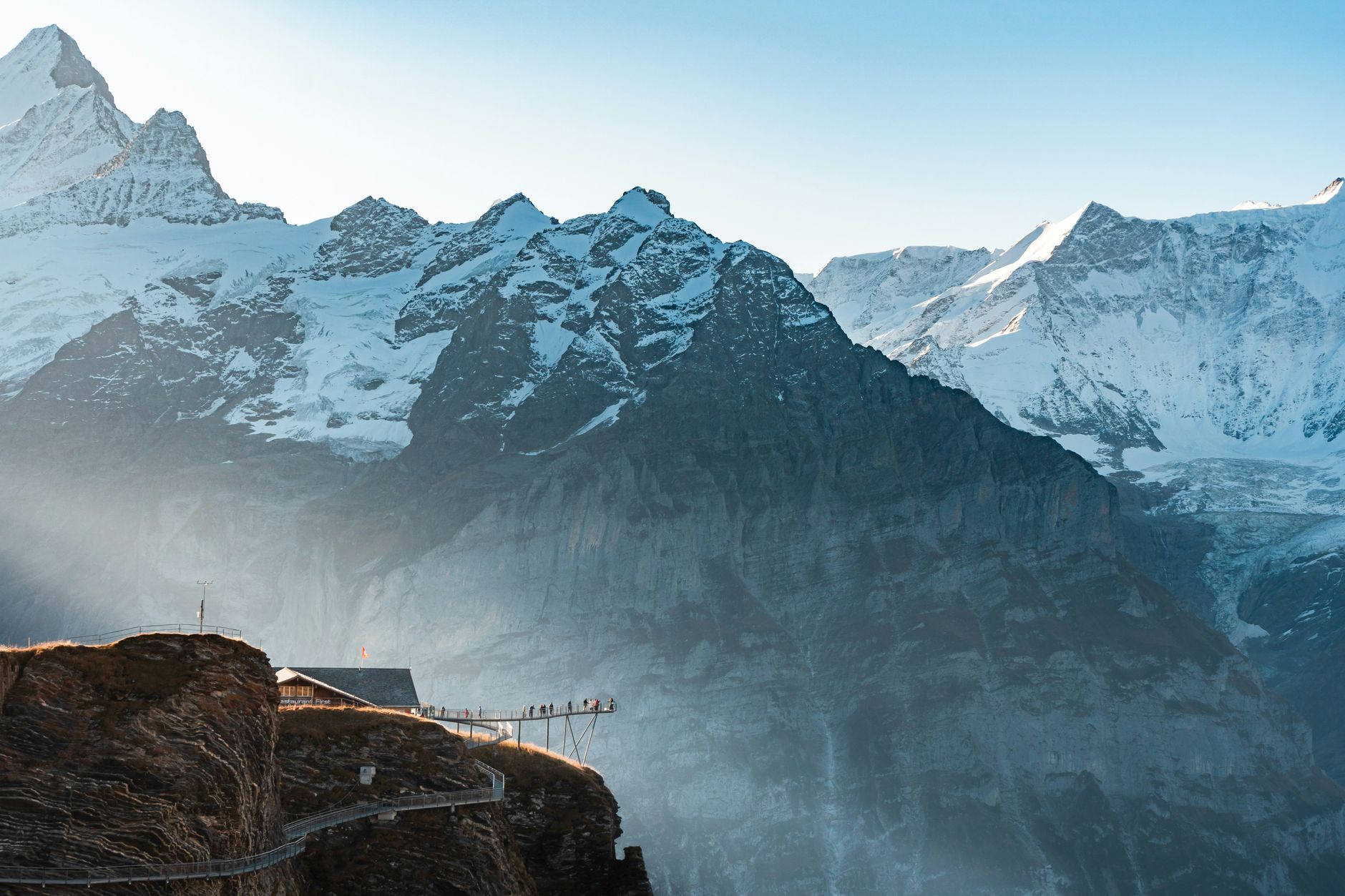
Switzerland, known for its stunning landscapes, impeccable public transport, and rich culture, is a dream destination for many travelers. If you’re planning a trip to this picturesque country, understanding the costs associated with it is crucial for effective budgeting. This guide will break down the expenses for a trip to Switzerland, addressing everything from accommodation and meals to transportation and activities.
By the end of this article, you’ll have a clear idea of how much it costs to visit Switzerland and some practical tips to make the most of your experience without breaking the bank. Whether you’re a budget traveler or looking for a more luxurious experience, you’ll find relevant information here to suit your needs.
How Much Is A Trip To Switzerland?
The cost of a trip to Switzerland can vary widely based on factors such as duration of stay, travel style, and specific activities planned. On average, you can expect to spend around $150 to $400 per day, depending on your preferences. This figure encompasses accommodation, meals, transport, and activities.
Understanding the Various Costs
Before diving into specific expenses, it’s essential to understand the main categories of spending on a trip to Switzerland:
- Accommodation
- Food and drink
- Transportation
- Activities and attractions
- Miscellaneous expenses
Accommodation Costs
Switzerland offers a variety of accommodation options from budget hostels to luxury hotels. Here’s a breakdown of what you can expect to pay:
| Type of Accommodation | Estimated Cost per Night |
|---|---|
| Hostels | $30 – $60 |
| B&Bs and Guesthouses | $100 – $180 |
| Mid-range Hotels | $150 – $300 |
| Luxury Hotels | $300 – $600+ |
For budget travelers, staying in hostels or guesthouses can help save money. Mid-range hotels offer a comfortable stay with good amenities. Luxury hotels provide premium experiences but at a much higher cost. Consider booking in advance, especially during peak tourist seasons, to secure better rates.
Food and Drink Expenses
Food costs vary significantly based on where and what you eat. Here’s a basic round-up of costs you might incur:
| Type of Meal | Estimated Cost |
|---|---|
| Fast Food Meal | $10 – $15 |
| Casual Dining | $20 – $40 |
| Mid-range Dinner | $40 – $80 |
| Grocery Costs (per day) | $15 – $25 |
For a budget-friendly option, consider grocery shopping or eating at local bakeries. Try traditional Swiss dishes for a more authentic experience, but be prepared to pay a premium at well-reviewed restaurants.
Transportation Costs
Switzerland’s public transportation system is renowned for its efficiency and coverage. Here are your options and their estimated costs:
- Train Travel: A Swiss Travel Pass offers unlimited travel on trains and ships, with costs depending on the duration (2nd class pass costs around $75 for three days).
- Local Transport: City transport passes usually cost between $8 and $15 for a day, covering buses and trams.
- Taxis: Taxi fares start at around $6, with an average fare of $30 for short trips. Rideshare services, if available, may have similar rates.
For travel between cities, consider booking train tickets in advance, as prices can be lower. Explore the scenic rail routes as they offer views of the Swiss countryside and mountains.
Activities and Attractions
Switzerland boasts a wealth of activities, from hiking the Alps to visiting world-class museums. Here’s a sampling of costs:
| Activity | Estimated Cost |
|---|---|
| Mt. Pilatus Day Trip | $70 – $100 |
| Entry to Museums | $10 – $20 |
| Zurich Lake Boat Cruise | $15 – $30 |
| Outdoor Activities (Skiing, hiking) | $50 – $150 |
Many attractions offer discounts with the Swiss Travel Pass, so it’s worth considering if you plan on visiting several sites. Outdoor enthusiasts can take advantage of numerous free hiking trails around the country.
Miscellaneous Expenses
It’s always good to factor in additional costs for souvenirs, snacks, or unexpected expenses. On average, budgeting around $10 to $30 per day is advisable for these extras.
How to Budget Your Trip to Switzerland
Here are some practical budget tips to help you manage your expenses effectively:
- Travel during off-peak seasons (mid to late spring and fall) to find cheaper accommodations and flight deals.
- Consider staying in smaller towns outside major cities, which can reduce accommodation and food costs.
- Use the Swiss Travel Pass to save money on both transportation and attractions.
- Eat like a local; explore markets and street food for affordable and delicious meals.
- Plan a mix of paid activities and free ones to maximize your experience without stretching your budget.
Best Times to Visit Switzerland
The best times to visit Switzerland depend on your interests:
- Winter (December to February): Ideal for skiing and Christmas markets.
- Spring (March to May): Beautiful blooms and quieter tourist spots. Great for hiking.
- Summer (June to August): Perfect for outdoor activities, festivals, and warm weather.
- Fall (September to November): Stunning autumn foliage and fewer crowds.
Consider the activities you wish to participate in when selecting your travel dates, as each season offers unique attractions.
Suggested Length of Stay
For a fulfilling experience in Switzerland, a stay of 7 to 14 days is recommended. This duration allows you to explore major cities like Zurich, Lucerne, Geneva, and Zermatt, while also engaging in outdoor activities across the Swiss Alps.
Travel Safety and Accessibility
Switzerland is generally considered safe for travelers. However, always take standard precautions like securing your belongings and being aware of your surroundings. Public transport is accessible, though certain areas, such as mountain trails, may present challenges for those with mobility issues.
Packing Essentials for Switzerland
Your packing list will depend on the season and activities planned. However, here are some essentials:
- Comfortable walking shoes
- Weather-appropriate clothing (layering is key)
- Adapters for electronics
- Reusable water bottle
- Daypack for excursions
Additionally, if visiting during winter, don’t forget ski gear and thermal layers!
Final Thoughts on Budgeting Your Trip
As you plan your trip to Switzerland, keep in mind that while costs can be high, thoughtful budgeting and planning can lead to a fantastic experience. Whether you prefer luxurious stays or backpacking, there’s a way to enjoy Switzerland without overspending.
Consider starting your research with a budget in mind, and look for accommodations, transportation passes, and activities that fit your financial plan. By knowing what to expect, you’ll be well-prepared to enjoy all that Switzerland has to offer.
To further your travel planning, explore related destination guides and travel-planning articles like How Safe Is Switzerland and How Much To Travel To Japan.