
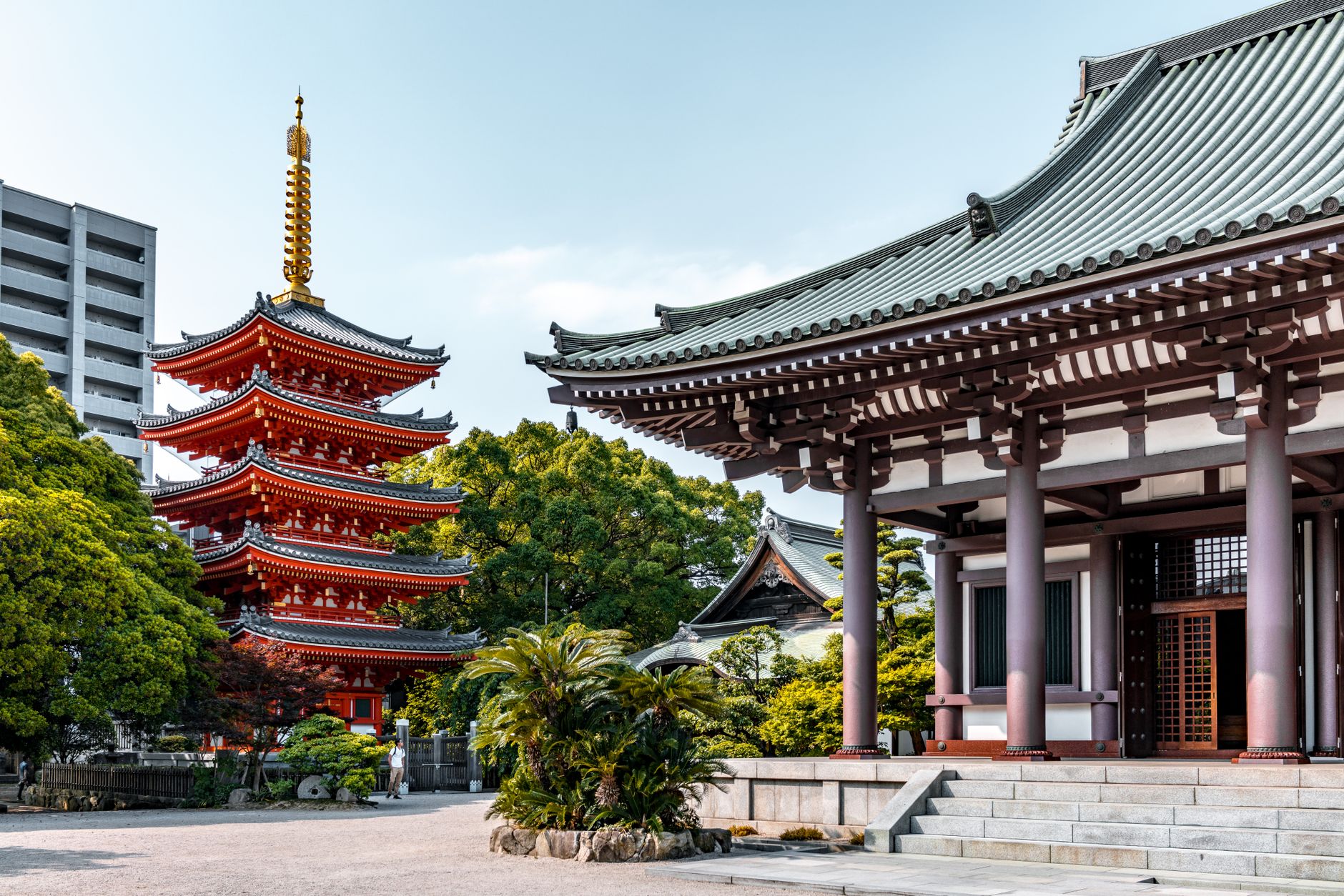
The allure of Japan draws travelers from around the globe, with its mix of ancient traditions and modern marvels. Whether you are an enthusiastic foodie, a history lover, or an adventure-seeker, understanding the costs involved in traveling to Japan will help you plan better.
This guide will break down expected expenses, provide budgeting tips, and outline key aspects of your travel experience to ensure you make the most of your visit to this fascinating country.
How Much To Travel To Japan?
Traveling to Japan can vary widely in cost depending on various factors such as your travel style, duration of stay, and activities planned. Generally, budget travelers might spend around $60-90 a day, while mid-range travelers can expect costs of $100-300 per day, and luxury travelers could spend $400 and above.
Budget Considerations
Japan offers varied options to accommodate different budgets. Understanding the following elements will help you plan effectively:
Flight Costs
International airfare is often the largest single expense for travelers. On average, round-trip flights to Japan from the US can range from $600 to $1,200, with variation based on departure city and time of year.
- Peak Season: March to May and September to November are popular, leading to higher prices.
- Off-Peak Season: Winter (December to February) may offer better deals but might not showcase the cherry blossoms like spring.
Accommodation Costs
Accommodation choices can significantly impact your travel budget. Here’s a breakdown of what you can expect:
- Budget Hotels / Hostels: $20 – $50 per night.
- Mid-Range Hotels: $70 – $150 per night.
- Luxury Hotels: $250 and above per night.
Consider options like capsule hotels for a unique experience or traditional ryokans for a taste of Japanese hospitality. Booking in advance or during off-peak times can help secure better rates.
Daily Expenses
Your daily spending in Japan will depend on your lifestyle choices, including food, transportation, entertainment, and shopping. Here’s a rough estimate:
- Food: $10 to $30 for budget options (convenience store meals, ramen shops), and $30 to $100 for mid-range restaurants.
- Transportation: Budget around $10 to $20 per day if using public transport, and consider a Japan Rail Pass if traveling between cities.
- Sightseeing: Entrance fees typically range from $5 to $20 per attraction, though some shrines and temples are free.
Transportation in Japan
Japan is known for its efficient transportation system, which includes trains, buses, and domestic flights. Understanding your options can help save money while maximizing your time.
Train Travel
The Shinkansen (bullet train) is a highlight of travel in Japan but can be pricey. Consider purchasing a Japan Rail Pass if you plan to explore multiple cities. Here are approximate prices:
| Type of Pass | 7-Day Pass | 14-Day Pass | 21-Day Pass |
|---|---|---|---|
| Ordinary Class | $275 | $440 | $570 |
| Green Class (First Class) | $370 | $600 | $730 |
For local travel, consider prepaid Suica or Pasmo cards for convenient access to trains and buses in cities like Tokyo and Osaka. Fares vary based on distance, typically starting from around $2.
Domestic Flights
If you’re venturing to islands or remote locations, budget airlines offer competitive pricing without sacrificing quality. Flights can range from $50 to $150, depending on the route.
Attractions and Activities
Japan is filled with experiences that cater to all interests. Here’s a breakdown of some popular activities and their costs:
- Cultural Experiences: Tea ceremonies ($20-$60), kimono rentals ($30-$100).
- Historical Sites: Entry fees to temples and castles ($3-$20).
- Outdoor Adventures: Hiking National Parks (free to park entrance fees $5-$15).
- Unique Experiences: Sumo wrestling matches can be costly ($50-$150).
Many attractions often offer discounts for students or multi-attraction passes, so it’s worth checking in advance.
Food and Drink Costs
Culinary delights are a big part of Japanese culture. Budgeting for food can be manageable with some planning:
- Street Food: Expect to pay around $2-$5 per item. Popular finds include takoyaki and yakitori.
- Casual Dining: Ramen shops and curry houses typically cost between $7 and $15 for a meal.
- Fine Dining: Expect to spend $50 and up for high-end sushi or kaiseki dining.
Don’t forget to budget for drinks, as soft drinks cost around $2-4, while alcohol prices vary widely. Beer can range from $5-$10 in most bars.
Best Time to Visit Japan
Timing your visit can both enhance your experience and influence your budget. Here’s an overview of Japan’s seasons:
- Spring (March-May): Ideal for cherry blossom viewing, though it is crowded and pricier.
- Summer (June-August): Warm weather, ideal for festivals; however, some regions can be hot and humid.
- Autumn (September-November): Beautiful fall colors; mild weather with moderate crowds.
- Winter (December-February): Great for skiing in Hokkaido; however, the cold might deter some travelers.
Every season offers unique charm and activities, so choose what aligns with your preferences.
Safety and Accessibility Considerations
Japan is renowned for its cleanliness and safety. However, always stay aware of your surroundings. Here are some key safety and accessibility tips for travelers:
- Emergency Numbers: The emergency number for police is 110, and for ambulance/fire, it is 119.
- Health Concerns: Check for any health advisories before travel; Japan has a high standard of healthcare in urban areas.
- Language Barrier: English is not widely spoken outside of major tourist areas, so learning basic Japanese phrases can be helpful.
- Accessibility: Major cities are generally accessible, but older or traditional establishments may pose challenges.
Suggested Itinerary Length
The ideal length of stay in Japan depends on the regions you want to explore. A common recommendation is:
- 7 Days: Cover Tokyo and Kyoto, with a day trip to Nara or Hiroshima.
- 10 Days: Include Osaka and Hokkaido, covering more attractions.
- 14 Days or more: Ideal for a comprehensive adventure through multiple islands.
Tailor your itinerary based on your interests and travel style, ensuring ample time to explore each destination without feeling rushed.
Packing Guide for Japan
What to pack for Japan can depend on the season and activities planned. Here’s a quick packing checklist:
- Comfortable Shoes: Essential for walking on cobblestone streets and exploring cities.
- Weather-Appropriate Clothing: Layering is best given Japan’s diverse climates.
- Travel Adapter: Japan uses Type A and Type B plugs; check your devices beforehand.
- Portable Wi-Fi Device: Consider renting a device for easy internet access while exploring.
- Cash: Many places still prefer cash, so keep yen handy for smaller shops.
Conclusion and Next Steps
Traveling to Japan can be enriching and memorable without costing a fortune. With well-planned budgets and itineraries, you can enjoy everything from cultural experiences to culinary delights. Consider your travel style, plan according to your preferences, and keep these budgeting tips in mind to make the most of your visit.
For further exploration, check out if Japan is worth visiting or learn how many hours it takes to get to Japan.