
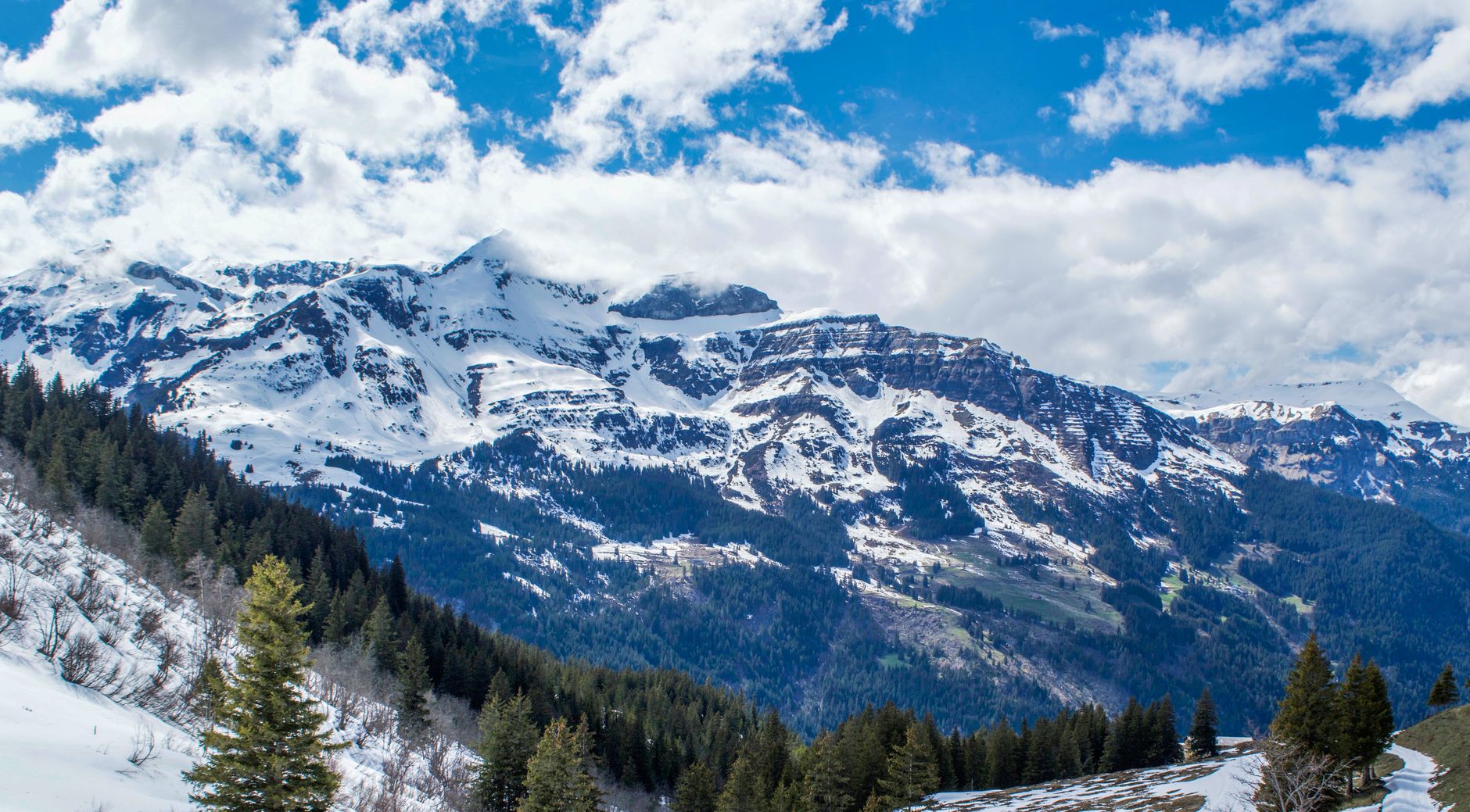
Switzerland is renowned for its stunning landscapes, efficient infrastructure, and high quality of life. But how safe is it for travelers? This article will provide an in-depth look at safety in Switzerland, covering various aspects including crime rates, transportation safety, health considerations, and tips for staying safe while exploring this beautiful country.
With a reputation for cleanliness, order, and hospitality, Switzerland attracts millions of visitors each year. The Alpine nation offers not only breathtaking scenery but also a unique blend of cultures and languages. Understanding safety in Switzerland is crucial for ensuring a relaxed and enjoyable trip.
How Safe Is Switzerland?
Switzerland is considered one of the safest countries in Europe, with low crime rates and a stable political climate. While incidents of theft and scams can occur, violent crime is rare. By understanding potential risks and taking basic precautions, travelers can enjoy a worry-free visit.
General Safety Overview
According to the latest crime statistics, Switzerland consistently ranks among the safest countries in the world. The overall crime rate is significantly lower than in many other European countries. Violent crimes, including assaults and homicides, are uncommon. Most reported crimes involve property crimes, such as theft and burglary, primarily in urban areas.
Despite its high safety ratings, travelers should remain vigilant, particularly in crowded places and tourist hotspots where pickpocketing can occur. It’s also vital to be aware of potential scams targeting tourists. With basic precautions, such as safeguarding personal belongings and avoiding risky areas at night, visitors can minimize these risks.
Crime Rates and Types
Switzerland experiences a variety of crime types, but fortunately, violent crime is rare. The majority of crimes reported involve:
- Theft: Including pickpocketing and bag snatching, especially in busy tourist areas like Zurich and Geneva.
- Fraud: Scams often involve fake charities or deceptive sales tactics targeting tourists.
- Burglary: More common in residential areas, typically during the day when residents are away.
Travelers are encouraged to stay aware of their surroundings and keep valuables securely stored to reduce the risk of theft. Instances of violent crime are extremely low, but it’s advisable to avoid poorly lit areas at night, especially in big cities.
Transportation Safety
Switzerland boasts one of the world’s most efficient and safe transportation systems. The Swiss Federal Railways (SBB) and public transport services are reliable, punctual, and regularly maintained.
Train Travel
Traveling by train is a popular choice among tourists. Swiss trains are not only safe but also offer breathtaking views of the countryside. Key safety tips for train travel include:
- Keep an eye on your belongings, especially in crowded train stations.
- Be cautious when using escalators and stairways; they can be slippery, especially in winter.
- Always verify your travel times and platform information as they can change.
Driving in Switzerland
If you choose to drive, rest assured that Swiss roads are well-maintained. However, some points to consider include:
- Adhere to speed limits; Switzerland has strict traffic laws and penalties.
- Be cautious in mountainous areas during winter, as snow and ice can create dangerous conditions.
- Toll charges apply on major highways, and a motorway vignette is required.
Health and Medical Safety
Switzerland has a high standard of health care, and hospitals are well-equipped. However, travelers should be aware of the following health-related considerations:
Travel Insurance
It’s strongly recommended to obtain travel insurance that covers health, accidents, and other potential travel-related issues. Medical treatment can be expensive for non-residents.
Emergency Services
In case of emergencies, the national emergency number is 112. Well-trained professionals handle emergency medical and police services efficiently. Hospitals are available in major cities and towns, ensuring relatively fast access to healthcare.
COVID-19 Considerations
As of this writing, COVID-19 precautions may still be in effect, but they vary based on the current situation. Travelers should stay updated on entry requirements and health-related guidelines by checking official Swiss government resources prior to their visit.
Scams and Tips for Travelers
While Switzerland is generally safe, it’s essential to stay aware of common scams targeting tourists. Here are some tips to help you avoid falling victim to such tactics:
Common Scams
- The “helping hand”: Someone may ask to take your picture or claim they need assistance, then ask for money.
- Fake charities: People may solicit donations for fake organizations.
- Street performers: Sometimes they can be aggressive in seeking money for their acts.
Precautionary Steps
- Limit the amount of cash you carry and use credit or debit cards when possible.
- Be cautious when approached by strangers asking for help or donations.
- Trust your instincts; if something feels off, it’s okay to walk away.
Outdoor Safety Considerations
Switzerland’s breathtaking landscapes make it a mecca for outdoor enthusiasts. However, it’s important to consider safety when partaking in activities such as hiking, skiing, or mountain climbing.
Hiking Tips
Hiking is a popular activity, but visitors should ensure they are prepared:
- Check weather conditions before embarking on your hike, as conditions can change rapidly in the mountains.
- Use appropriate gear, including sturdy footwear and suitable clothing.
- Inform someone of your hiking route and expected return time.
Skiing Safety
The Swiss Alps are a major skiing destination. Here are safety tips for skiing:
- Follow the marked trails and be cautious of off-piste skiing.
- Familiarize yourself with the ski resort map and local safety guidelines.
- Consider hiring an instructor if you are a beginner.
Emergency Services and Accessibility
Emergency services are prompt and efficient in Switzerland. Visitors need to be aware of the resources available to them:
Finding Help
The emergency number is 112, available across the country for police, fire, and medical emergencies. Most towns have hospitals and clinics that cater to both residents and visitors.
Accessibility for All Travelers
Switzerland is known for its accessibility. Train stations and public transport systems generally cater to travelers with reduced mobility. Major cities offer resources and assistance for those with disabilities, including priority seating on public transport.
Best Practices for Staying Safe
To ensure a safe and enjoyable experience in Switzerland, travelers should consider the following best practices:
Stay Alert
Be present and aware of your surroundings, especially in busy areas to avoid being caught off guard.
Keep Valuables Secure
Use a crossbody bag or money belt for valuables, and don’t leave items unattended in public spaces.
Use Public Transport Wisely
Stick to well-lit areas and avoid traveling alone at night when possible. When using trains or buses, stay aware of your belongings.
When to Visit Switzerland
The best time to visit Switzerland depends on individual preferences and activities planned. Each season offers unique experiences, as outlined below:
Spring (March to May)
Spring is a beautiful time when flowers bloom, and temperatures rise. Ideal for hiking and exploring cities, though snow may still linger in mountainous areas.
Summer (June to August)
Summer attracts tourists for outdoor activities and cultural festivals. However, it can be crowded and more expensive. Temperatures are usually pleasant, perfect for mountain hikes and lakes.
Autumn (September to November)
Autumn offers stunning fall foliage and cooler weather, making it a lovely time for hiking. It’s typically less crowded compared to summer.
Winter (December to February)
Winter is the peak season for skiing, but it’s essential to be mindful of the weather and possible avalanches if heading off-piste. Be aware of shorter daylight hours.
Budget Considerations for Travelers
Switzerland is known for its high living costs, and budgeting wisely is critical. Consider the following aspects:
Accommodation
Options range from luxury hotels to budget hostels. Booking in advance can help secure better rates. Consider staying in smaller towns to save money while still being close to attractions.
Dining
Eating out can be expensive. Travelers can save by opting for lunch specials or supermarket meals. Street food and local markets also offer budget-friendly dining options.
Transport Costs
While public transport is efficient, it can add up. Purchasing a Swiss Travel Pass can provide unlimited travel on trains, buses, and boats across the country, often more economical than buying individual tickets.
Conclusion
Switzerland is a remarkably safe destination for travelers, with low crime rates and an efficient transportation system. By taking basic precautions and being aware of common scams, visitors can focus on enjoying the breathtaking alpine landscapes and vibrant cities without concern for safety. For a seamless trip, prioritize travel insurance and stay informed about current health regulations.
To plan your next adventure, explore more about travel safety for Americans in Europe or learn about the safety of Florence for your next Italian getaway. Check out these guides: Is It Safe for Americans to Travel to Europe? and Is Florence Safe?.