
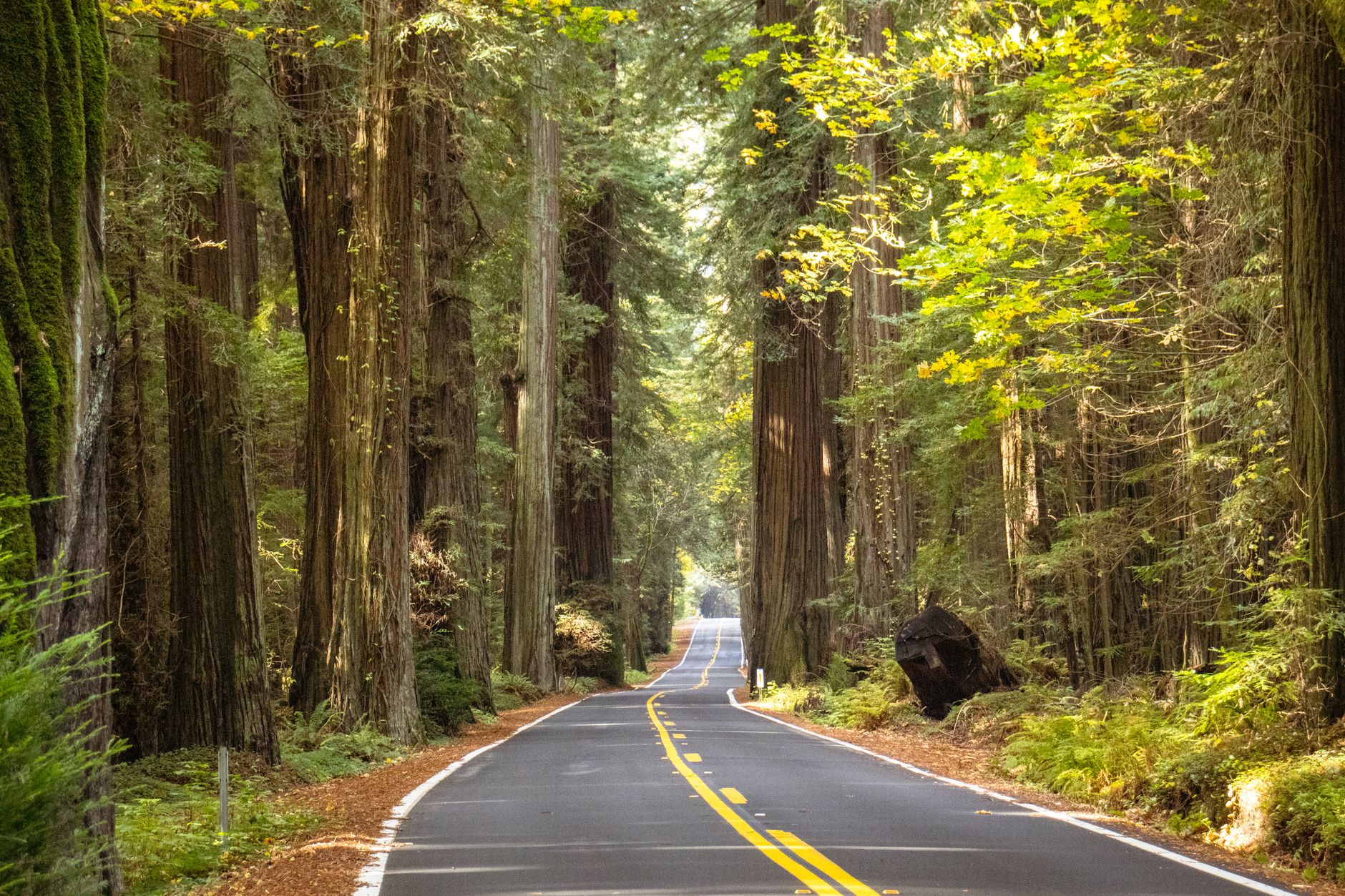
Redwood trees, towering giants known for their incredible height and age, offer a breathtaking experience for nature lovers and adventure seekers. These magnificent trees can primarily be found along the northern California coast and into southern Oregon, attracting millions of visitors each year. Planning a trip can be an adventure in itself, as redwoods grow in some of the most picturesque national and state parks.
This guide will help you discover where to see redwood trees, what to expect, and essential tips for your visit. Whether you’re a family traveler, a solo adventurer, or someone seeking a relaxing getaway in nature, witnessing these majestic trees up close promises an unforgettable experience.
Where To See Redwood Trees?
You can see redwood trees mainly in two distinct regions: California and Oregon. The most famous spots include Redwood National and State Parks in California and the Oregon Caves National Monument and Preserve in southern Oregon. Both areas offer stunning scenery, various activities, and different types of redwood trees.
Major Redwood Tree Locations
1. Redwood National and State Parks, California
The jewel of the redwood experience, this ensemble of parks is a UNESCO World Heritage Site that comprises several parks, including Redwood National Park, Jedediah Smith Redwoods State Park, Del Norte Coast Redwoods State Park, and Prairie Creek Redwoods State Park.
- Redwood National Park: Home to some of the tallest trees in the world, this national park features over 139,000 acres of coast redwoods.
- Jedediah Smith Redwoods State Park: This park includes pristine rivers, old-growth redwoods, and lush ferns along its trails.
- Del Norte Coast Redwoods State Park: Located along the Pacific coast, this park offers a unique coastal landscape combined with spectacular redwood groves.
- Prairie Creek Redwoods State Park: Known for its variety of wildlife and scenic drives, this park features ancient redwoods and lush surroundings.
2. Muir Woods National Monument, California
Located just north of San Francisco, Muir Woods is famous for its towering coast redwoods. The park is a protected area of old-growth redwoods, giving visitors a chance to walk among trees that can live for over a thousand years.
3. Point Reyes National Seashore, California
While not as famous as other redwood parks, Point Reyes National Seashore offers stunning coastal views and a chance to see redwoods in a non-crowded setting. Hiking trails lead you through diverse ecosystems, including wetlands and forests.
4. Humboldt Redwoods State Park, California
Home to the Avenue of the Giants, this state park boasts some of the tallest and oldest redwoods in the world. The scenic drive runs through the park, allowing visitors to easily see the towering trees.
5. Oregon Caves National Monument, Oregon
While this area is primarily known for its limestone caves, it is also home to some beautiful old-growth forests, including Douglas fir and redwood trees. The unique combination of geological features and flora offers a different experience for redwood enthusiasts.
What Makes Redwood Trees Special?
Redwood trees can reach heights of over 350 feet and are among the tallest trees on Earth. Their unique resilience to fire and pests, great age, and sprawling canopies create a perfectly balanced ecosystem. They also provide habitat for various wildlife, from birds to deer. Walking among these giants can evoke a sense of tranquility and connection with nature.
Activities to Enjoy While Visiting Redwood Trees
- Hiking: Countless trails wind through redwood groves, ranging from short nature walks to challenging hikes.
- Scenic Drives: The Avenue of the Giants and various scenic routes through parks offer unforgettable views of the redwoods.
- Camping: Many parks offer campgrounds for those who want to immerse themselves in nature overnight.
- Photography: Capture the beauty of these trees, especially during sunrise or sunset when the light casts magical shadows.
- Wildlife Watching: Keep an eye out for deer, wild turkeys, and other wildlife native to the region.
Getting There and Getting Around
Most redwood parks are accessible by car. Major airports like San Francisco International Airport (SFO) and Medford Airport (MFR) serve as convenient gateways. From the airport, you can rent a car for a scenic drive through stunning landscapes. The following outline provides a guide on how to reach various parks:
- Redwood National and State Parks: Located off Highway 101, about 50 miles from Eureka, California.
- Muir Woods National Monument: A short drive from San Francisco, take Highway 1 north and follow the signs.
- Humboldt Redwoods State Park: Accessible off Highway 101 via the Avenue of the Giants route.
- Oregon Caves National Monument: Located near Cave Junction, about an hour from Medford, take Highway 199 south.
Once in the parks, trails are well-marked, and many have visitor centers where you can get maps and additional information. In some of the larger parks, shuttles may be available during peak times, making it easy to explore the area without the need for a vehicle.
Best Time to Visit Redwood Trees
The best time to visit the redwoods largely depends on your preferences for weather and crowd levels:
- Spring (March to May): Ideal for blooming wildflowers and fewer crowds. Temperatures can be mild but cool.
- Summer (June to August): Peak season with ideal weather for exploring, but expect larger crowds.
- Fall (September to November): Pleasant temperatures and vibrant autumn colors. Great for hiking with fewer visitors.
- Winter (December to February): Cooler and wetter weather, but if you’re prepared, the peacefulness of the quiet parks can be refreshing.
Duration of Stay
For a fulfilling experience, a stay of three to four days is recommended. This allows time to explore the major parks, engage in hiking or other activities, and immerse yourself in the beauty of the surroundings without feeling rushed. Here’s a suggested itinerary:
- Day 1: Arrive at Redwood National Park. Take a short hike and explore the visitor center.
- Day 2: Spend the day at Humboldt Redwoods State Park and drive the Avenue of the Giants.
- Day 3: Visit Muir Woods and take the trails in the afternoon.
- Day 4: Add in optional day trips to nearby areas or relax in the parks with a picnic.
Accommodation Options
From campgrounds to hotels, there are various accommodation choices around the redwood parks:
- Campsites: Many state parks provide campsites perfect for those wishing to stay close to nature.
- Hotels and Lodges: Amenities range from basic motels to more luxurious lodges within a short drive from the parks.
- Vacation Rentals: Websites like Airbnb offer options in nearby towns, providing a unique place to stay.
Budget Considerations
Your budget will depend on various factors such as accommodation, food, and activities. Consider the following:
- Entrance Fees: National and state parks often have entrance fees, typically ranging from $5 to $35 depending on the vehicle and duration of stay.
- Camping Fees: Campground prices can range from $20 to $50 per night based on amenities.
- Food Costs: Dining options within park areas may be limited, so consider packing meals or eating in nearby towns.
- Travel Costs: Factor in gas prices, car rentals, and any additional transportation costs.
Tips for Planning Your Trip
To enhance your redwood experience and avoid common pitfalls, keep these practical tips in mind:
- Check accessibility and trail conditions, especially if visiting in winter or after heavy rains.
- Plan your hikes according to your fitness level, opting for shorter or flatter trails if needed.
- Bring layers, as temperatures can vary significantly between day and night.
- Respect wildlife, and do not feed or approach animals in the parks.
- Carry the essentials: water, snacks, sunscreen, and a good camera to capture the beauty.
Accessibility and Safety
Many trails and facilities in redwood parks are designed with accessibility in mind, including wheelchair-accessible trails and restrooms. However, always check specific park service websites for the latest details.
While safety is a priority, visitors should also be cautious when hiking. Stick to designated trails, inform someone of your plans, and carry a map or GPS device. In coastal areas, campers should be aware of changes in tide and avoid setting up camp too close to the shoreline due to erosion hazards.
Conclusion
Your journey to see redwood trees can be a remarkable experience, filled with stunning scenery, memorable activities, and a unique chance to connect with nature. With this guide, you now have a better understanding of where to find these magnificent trees, how to plan your trip, and what to expect along the way—so grab your bags and start planning today!
Explore more related destination guides and travel-planning articles to enhance your travels, such as how many days to spend in Acadia National Park and check out the number of national parks in Oregon.