
Oregon is a treasure trove of natural beauty, attracting outdoor enthusiasts and nature lovers from around the globe. With varied landscapes encompassing mountains, forests, and coastlines, the question arises: how many national parks are in Oregon? The state is home to three impressive national parks, each offering unique experiences and stunning vistas.
In this article, we will explore each national park, what makes them worth visiting, practical travel tips, and additional scenic attractions in Oregon. Whether you’re planning a family road trip or a solo adventure, this guide will provide you with essential information to help you enjoy your visit to these remarkable parks.
How Many National Parks Are In Oregon?
Oregon boasts three national parks: Crater Lake National Park, Oregon Caves National Monument and Preserve, and the Lewis and Clark National Historical Park. Each of these parks has its own distinct features, offering a diverse experience to visitors.
1. Crater Lake National Park
Crater Lake National Park is renowned for its stunning blue waters and dramatic topography. This park is often the highlight of any visit to Oregon, attracting those looking for breathtaking views, hiking opportunities, and a serene escape into nature.
What Makes Crater Lake Special?
Crater Lake is the deepest lake in the United States, formed by the collapse of a volcano over 7,700 years ago. The lake’s striking blue color is attributed to its depth and purity, making it a photographer’s paradise. Visitors can marvel at the views from various vantage points, such as Rim Drive, which circles the lake.
Things to Do at Crater Lake
- Scenic Drives: Rim Drive offers numerous pull-offs for panoramic views of the lake and surrounding area.
- Hiking: Explore the numerous trails, including the popular Cleetwood Cove Trail leading to the lake’s shoreline.
- Wildlife Viewing: Keep an eye out for deer, birds, and other wildlife throughout the park.
- Winter Sports: In the winter, visitors can enjoy snowshoeing and cross-country skiing.
When to Visit Crater Lake
The best time to visit Crater Lake National Park is during the summer months, from late June to mid-September, when most facilities are open, and the roads are clear. However, spring and fall can offer fewer crowds and spectacular views, but prepare for variable weather conditions.
Accommodation and Transportation
Within the park, you can stay at the Crater Lake Lodge for stunning views right by the lake. Alternative options include campgrounds such as Mazama Campground, which operates seasonally. For access, the nearest city is Medford, located about 60 miles away, and you’ll definitely need a car to explore the park fully.
2. Oregon Caves National Monument and Preserve
Oregon Caves National Monument is another gem located in the southern part of the state, known for its unique marble caves and rich biodiversity. The park offers a step into a natural wonder sculpted over millions of years.
What Makes Oregon Caves Unique?
The park features a network of caves filled with intricate formations and fascinating geology. Guided cave tours allow visitors to explore the caves while learning about their history and formation.
Things to Do at Oregon Caves
- Cave Tours: Participate in guided tours to delve into the cave’s wonders, including stalactites and stalagmites.
- Hiking: Enjoy hiking on trails surrounding the caves, offering beautiful forest and mountain views.
- Wildlife Observation: The park is home to various species, including the elusive black bear and many bird species.
When to Visit Oregon Caves
The ideal time to visit Oregon Caves is spring through fall, particularly from May to October when tours are available and trails are clear. Winter visits are limited due to snow, but the snow-draped scenery can be beautiful if you are well-prepared.
Accommodation and Transportation
Although there is no lodging within the park, you can find nearby options in the nearby town of Cave Junction. The closest major city is Grants Pass, roughly 40 miles away, which has a greater variety of accommodation choices.
3. Lewis and Clark National Historical Park
While not a traditional national park, the Lewis and Clark National Historical Park encompasses significant areas of the historic expedition led by Lewis and Clark in the early 1800s. This park provides visitors with rich history and opportunities to explore the landscapes encountered by the explorers.
What Makes Lewis and Clark Park Significant?
The park covers territories in both Oregon and Washington, providing a glimpse into the legacy of the Corps of Discovery, including historical sites such as Fort Clatsop, where the explorers spent the winter.
Things to Do at Lewis and Clark Park
- Historical Exhibits: Visit the visitor center to learn about the history of the expedition and view artifacts.
- Reconstructed Fort Clatsop: Explore the replica of Fort Clatsop, complete with demonstrations and reenactments.
- Nature Walks: Hike the park’s nature trails along the scenic coastline and estuary.
When to Visit Lewis and Clark Park
The park is open year-round, but it’s best to visit during the summer months to enjoy the warmer weather and fully open facilities. However, fall can offer beautiful foliage and fewer crowds.
Accommodation and Transportation
Stay in nearby Astoria or Seaside for a range of accommodation options, from hotels to cozy rental homes. Situated near the mouth of the Columbia River, the area is easily accessible by car, with several scenic routes available.
Additional Attractions Near Oregon’s National Parks
To get the most out of your visit, consider exploring nearby attractions that complement the national parks. Here are some notable spots to include in your itinerary:
Mount Hood National Forest
Located east of Portland, Mount Hood National Forest is home to stunning hiking trails, scenic drives, and winter skiing opportunities. It’s a great day trip if you’re heading to Crater Lake or just want to enjoy more of Oregon’s outdoor splendor.
Columbia River Gorge National Scenic Area
Just a short trip from Portland, the Columbia River Gorge offers dramatic landscapes and stunning waterfalls like Multnomah Falls. This area is perfect for hiking, picnicking, and photography.
Smith Rock State Park
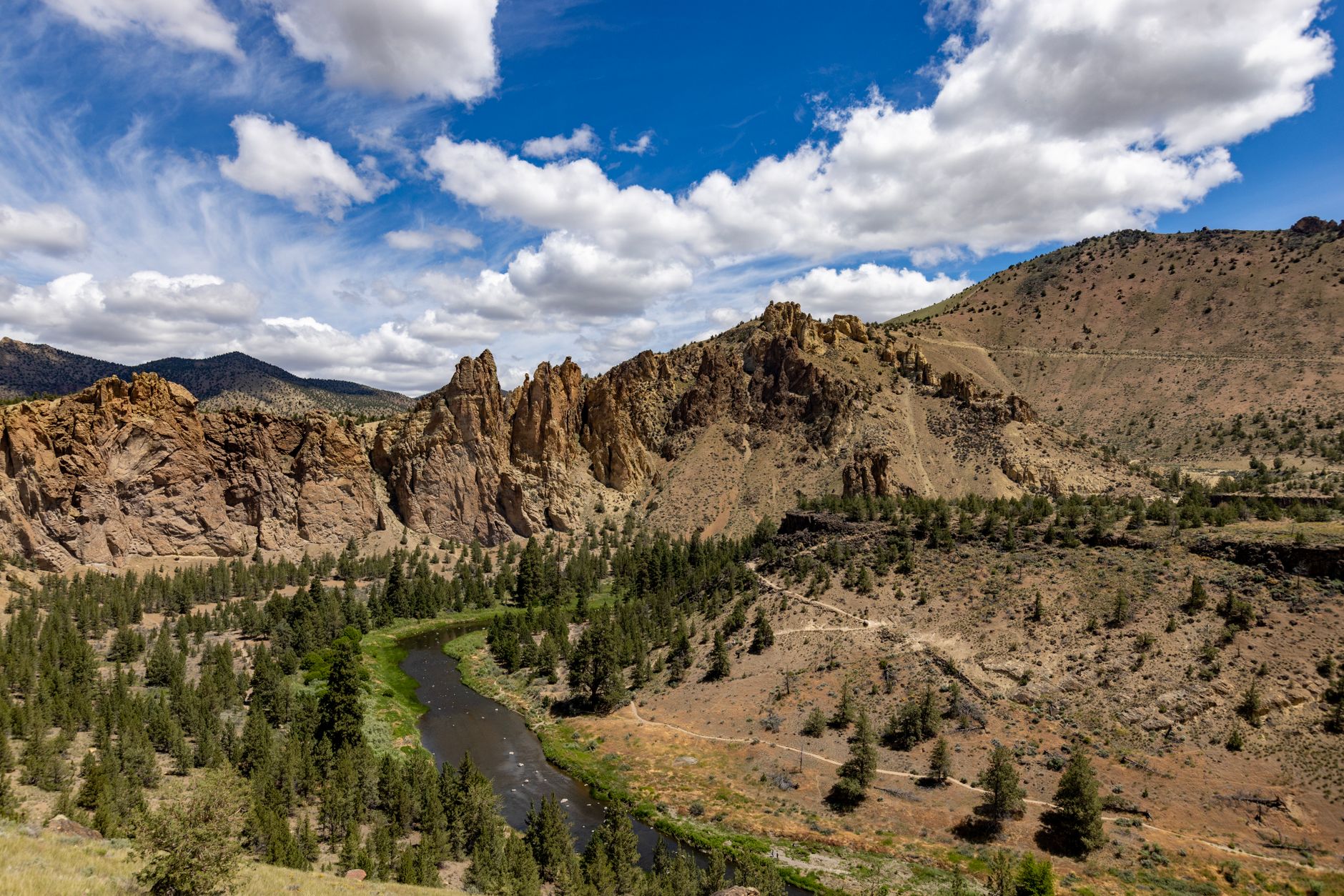
If you’re an outdoor enthusiast, Smith Rock State Park is not to be missed. It’s famous for rock climbing, hiking, and stunning views of Central Oregon’s geological features.
Travel Tips for Visiting National Parks in Oregon
To maximize your experience, here are some practical travel tips:
- Plan Ahead: Check for park alerts, road conditions, and operating hours before your visit.
- Pack Accordingly: Bring layers, as weather can change rapidly, especially in mountainous areas.
- Leave No Trace: Respect nature by following Leave No Trace principles: stay on marked trails, pack out trash, and avoid disturbing wildlife.
- National Park Pass: If visiting multiple national parks, consider purchasing an America the Beautiful pass for cost savings on admission fees.
Conclusion
Oregon’s three national parks offer diverse natural beauty and unique experiences, making them worthy of a visit. Whether captivated by the deep blue of Crater Lake, the fascinating geology of Oregon Caves, or the historical significance of Lewis and Clark, each park has something to offer. Consider your personal interests and the best times to visit as you plan your Oregon adventure.
Explore related destination guides and travel-planning articles to enhance your trip. Check out things to do in Troutdale, Oregon, or discover the highlights in Ashland, Oregon.