
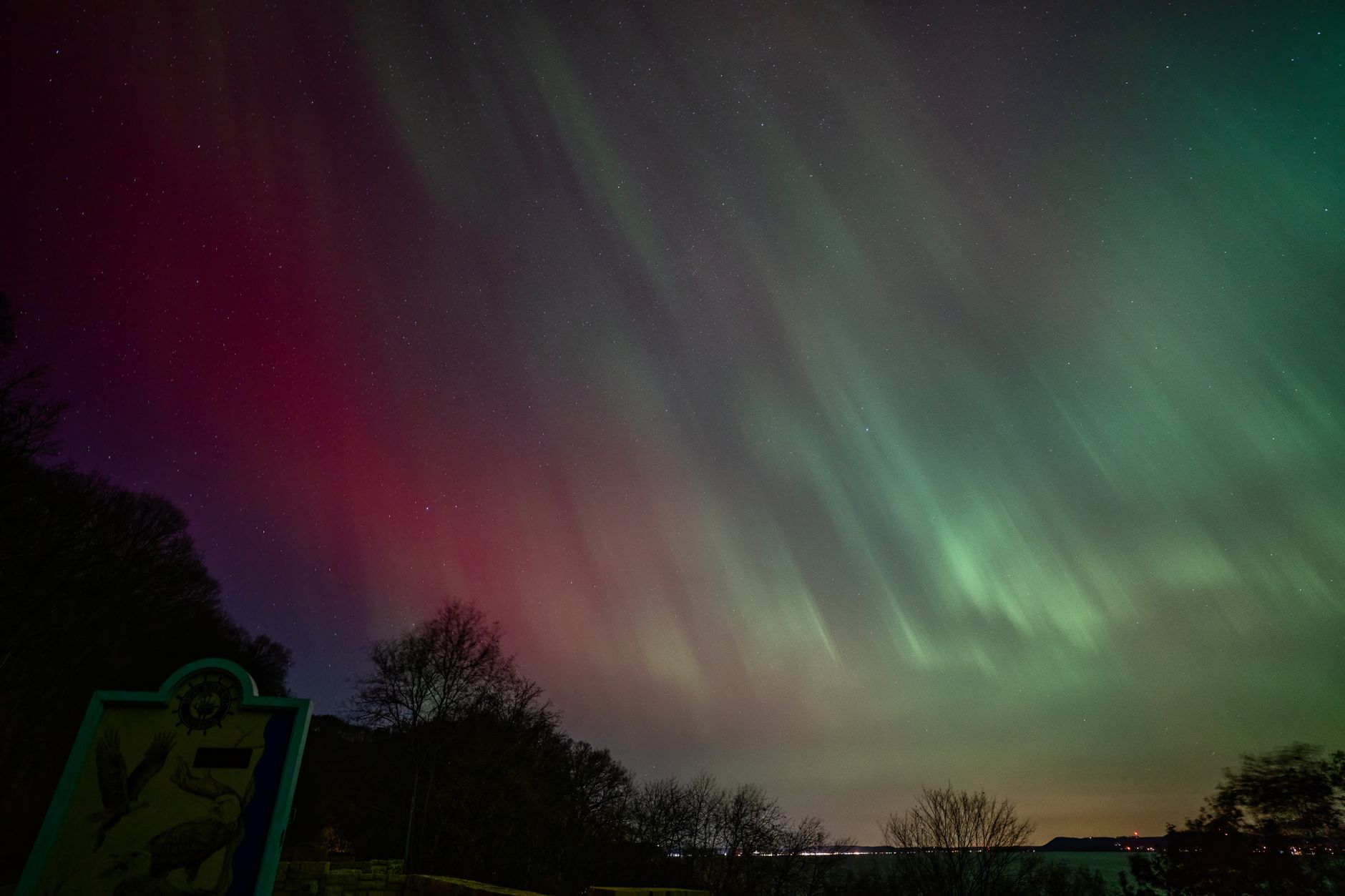
The Northern Lights, or Aurora Borealis, are a spectacular natural phenomenon that draws travelers from around the globe to witness their mesmerizing dance across the night sky. But where is the best place to see this enchanting display? This article will guide you through some of the prime locations where you can experience the Northern Lights, alongside practical tips to help you plan your journey.
From the icy landscapes of Iceland to the serene wilderness of Finland, these destinations offer excellent chances to see this natural wonder. Whether you’re an adventurous solo traveler, a family seeking quality time together, or a romantic couple on a getaway, this guide aims to provide everything you need to know to catch the dazzling lights.
Where Is The Best Place To See The Northern Lights?
The best places to see the Northern Lights include locations above the Arctic Circle where conditions for viewing are most favorable. These places include Tromsø in Norway, Reykjavik in Iceland, Fairbanks in Alaska, and Rovaniemi in Finland. Each offers unique viewing experiences and additional activities to enjoy while you wait for the lights to appear.
Top Destinations for Northern Lights Viewing
Tromsø, Norway
Tromsø is known as the “Gateway to the Arctic” and is often regarded as one of the best places to view the Northern Lights. Located at a latitude of 69 degrees north, this city offers ample opportunities for aurora spotting from September to April.
- Highlights: Tromsø’s Arctic wilderness, reindeer sledding, and cultural experiences.
- How to Get There: Fly into Tromsø Airport, with connections from Oslo.
- Best Time to Visit: February to March for clearer skies and active auroral displays.
Reykjavik, Iceland
Iceland’s capital offers both urban experiences and proximity to dark skies for Northern Lights viewing. From Reykjavik, you can easily join guided tours or head out on your own to escape the city lights.
- Highlights: Scenic views, geothermal spas, and cultural attractions.
- How to Get There: Reykjavik is serviced by Keflavik International Airport.
- Best Time to Visit: October to March, with peak activity often occurring in February and March.
Fairbanks, Alaska
Fairbanks is located in a prime position for Aurora viewing, boasting over 200 nights a year when the Northern Lights can be seen. It’s a less commercialized option compared to other destinations.
- Highlights: Chena Hot Springs, dog sledding, and local museums.
- How to Get There: Fly into Fairbanks International Airport.
- Best Time to Visit: Late August to April, with December and January often offering the clearest skies.
Rovaniemi, Finland
Known for its Christmas charm, Rovaniemi is also a fantastic spot for aurora spotting. Nestled in Finnish Lapland, it’s situated directly under the auroral oval.
- Highlights: Santa Claus Village, husky safaris, and midnight sun experience.
- How to Get There: Rovaniemi Airport serves several major cities.
- Best Time to Visit: From late September to March offers good chances for sightings.
Additional Notable Locations
- Yellowknife, Canada: Known for its beautiful skies and minimal light pollution, offering various winter activities.
- Murmansk, Russia: An off-the-beaten-path option that offers a unique cultural experience alongside aurora viewing.
- Abisko National Park, Sweden: Renowned for its clear skies and the Aurora Sky Station, a perfect spot for enthusiasts.
Planning Your Northern Lights Experience
Best Times to Visit
The best time to view the Northern Lights varies by location but generally falls within the winter months. Late September to April is the prime season in most locations due to longer nights and clearer skies.
Aurora Forecasts
Checking aurora forecasts will enhance your chances of witnessing this phenomenon. Websites and apps like NOAA Space Weather Prediction Center or AuroraWatch provide updates on aurora activity based on solar winds.
Activities Beyond Northern Lights Viewing
While pursuing the Northern Lights is often the main focus, these destinations offer a plethora of activities to supplement your trip. Winter sports, local cuisine, and cultural experiences can enrich your journey.
- Skiing and Snowboarding: Many locations feature ski resorts with slopes catering to all levels.
- Husky Sledding: Experience an exhilarating ride through snowy landscapes pulled by a team of huskies.
- Geothermal Spas: In Iceland, a visit to the Blue Lagoon can be a perfect way to relax after a chilly night of aurora hunting.
Accommodation Options
Each of these destinations offers a range of accommodation options suitable for varying budgets. From luxury hotels to cozy cabins, you can choose based on your preferences.
- Tromsø: Radisson Blu or cozy Airbnb options offer different experiences.
- Reykjavik: The Icelandair Hotel offers comfort, while hostels provide budget-friendly choices.
- Fairbanks: The Pike’s Waterfront Lodge offers stunning views of the Tanana River.
- Rovaniemi: Unique accommodations like glass igloos or the traditional Santa’s Hotel offer memorable stays.
Transportation Considerations
Getting around each destination varies. Some cities have solid public transport networks, while others may necessitate renting a vehicle for flexibility, especially to escape light pollution for optimal aurora viewing.
- Rental Cars: Essential in remote areas where public transportation options are limited.
- Guided Tours: Many companies offer Northern Lights excursions that include transportation and knowledgeable guides.
Budgeting for Your Trip
Traveling to see the Northern Lights can be done on a variety of budgets. However, keep in mind that high season typically brings higher prices for flights and accommodation.
- Flights: Book early for the best deals; consider off-peak times for more affordable options.
- Accommodation: Prices vary but expect to pay more during peak Northern Lights season.
- Activities: Allocate a budget for tours, equipment rentals, and dining out, averaging $100-150 per day.
Packing Essentials for Northern Lights Trips
Ensure you pack appropriately for winter conditions. The key to enjoying the outdoors while waiting for the Northern Lights is to stay warm and comfortable.
- Layered Clothing: Thermal base layers, insulating mid-layers, and waterproof outer layers.
- Winter Accessories: Hats, gloves, scarves, and warm socks.
- Footwear: Insulated, waterproof boots suitable for snow and cold.
- Camera Gear: If capturing the aurora is your goal, pack a tripod, extra batteries, and a wide-angle lens option.
Safety Considerations
Being out in the cold and remote areas at night comes with specific considerations. Stay safe by following these tips:
- Health Precautions: Dress adequately to avoid frostbite or hypothermia.
- Wildlife Caution: Respect local wildlife; be mindful of bears in Alaska or moose in Finland.
- Travel Insurance: Consider getting coverage, especially if engaging in activities like skiing or dog sledding.
Final Thoughts on Experiencing the Northern Lights
Your journey to see the Northern Lights can be as rewarding as the auroras themselves. Carefully planning your trip by considering the best viewing locations, timing, activities, and safety measures will enhance your experience.
Whether you choose the charm of Tromsø, the spectacular landscapes of Iceland, the untouched wilderness of Alaska, or the magical ambiance of Rovaniemi, you are bound to create unforgettable memories beneath the shimmering skies.
For further travel planning, take a look at our guides on how often you can see the Northern Lights in Iceland, and make sure you’re properly prepared with our article on what to wear in Iceland in December.