
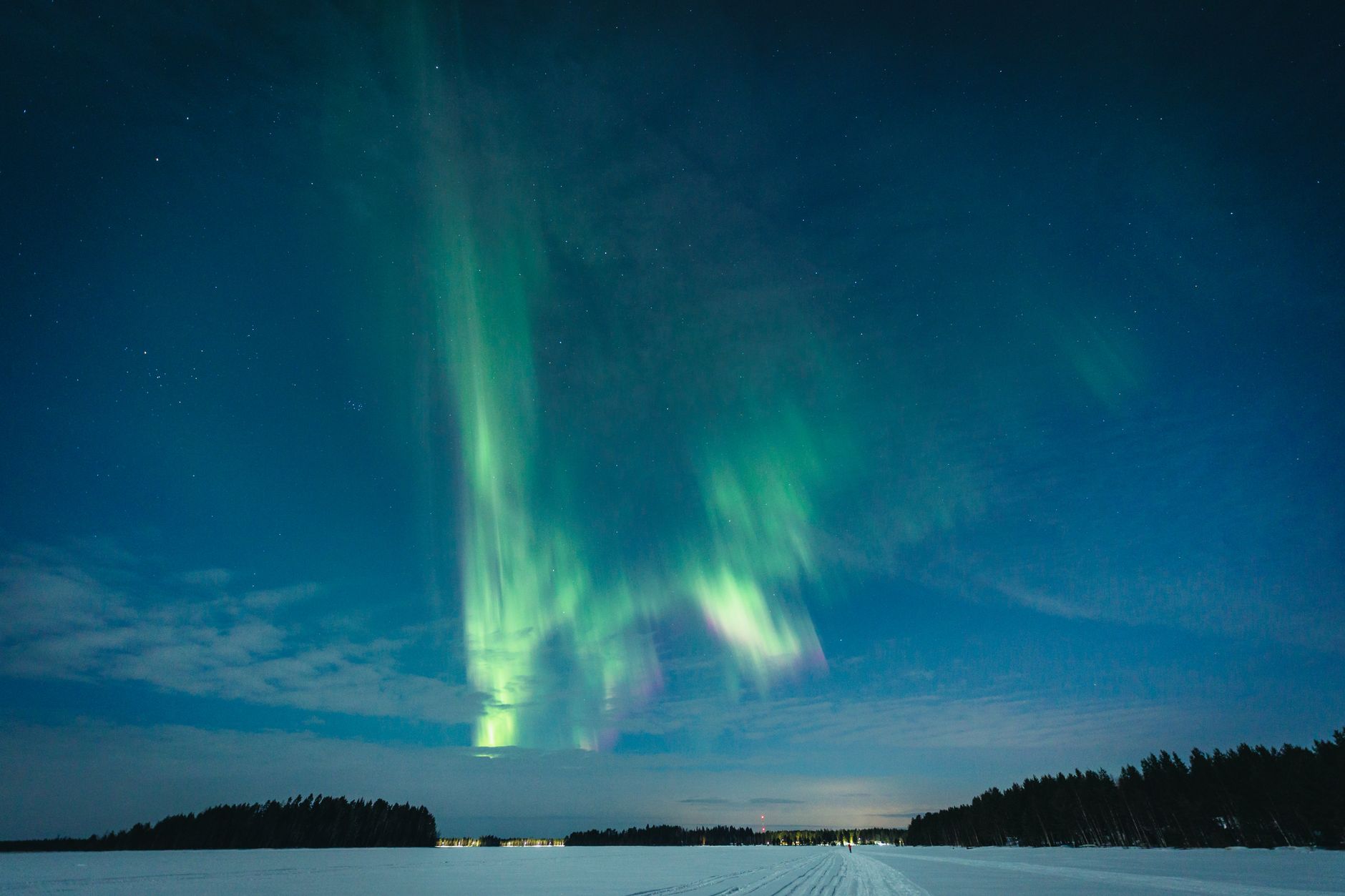
The Northern Lights, or Aurora Borealis, are one of nature’s most breathtaking spectacles. They attract many travelers to Iceland, where conditions are often favorable for witnessing this celestial display. However, understanding how often you can see the Northern Lights in Iceland requires a bit more than just luck. Factors such as seasonality, weather, location, and timing all play crucial roles.
This guide will help you navigate those aspects, providing practical information to enhance your experience when searching for this elusive natural phenomenon. From the best times to visit to tips on maximizing your chances of seeing the Northern Lights, this article covers everything you need to know.
How Often Can You See The Northern Lights In Iceland?
You can see the Northern Lights in Iceland from late September to mid-April, with the best chances occurring between October and March. These months offer darker skies and more favorable weather conditions. However, sightings are never guaranteed, as they depend significantly on solar activity and clear skies.
The Best Seasons for Northern Lights Viewing in Iceland
Understanding the seasons is the first step toward maximizing your chances of seeing the Northern Lights. Here’s a breakdown of what to expect:
Fall (September to November)
Late September marks the beginning of the Northern Lights season in Iceland. During this period, nights lengthen, providing an increasing number of hours of darkness. The weather is mostly mild and less unpredictable than in the winter months. October offers some of the best opportunities, as skies are generally clearer, but by November, snowfall can obscure visibility.
Winter (December to February)
Winter is the peak season for Northern Lights viewing, especially from December to February. The long nights increase your chances, but the weather can be harsh. Snowstorms and cloudy conditions may prevent sightings. However, if the skies clear, you’ll have a great chance to witness the aurora in its full glory.
Spring (March to April)
March is another excellent month for Northern Lights, as the weather starts to improve, but nights are still long enough for optimal viewing. By April, the days begin to lengthen rapidly, and the chances of seeing the lights diminish as twilight lasts longer into the evening. Thus, early March is typically the best time in spring.
Factors Influencing Aurora Activity
While timing is essential, other factors influence the likelihood of seeing the Northern Lights. Here are the key elements to consider:
Solar Activity
The Northern Lights result from solar particles colliding with the Earth’s atmosphere, leading to brilliant displays of light. Monitoring solar activity through space weather forecasts can give insight into potential aurora displays. High solar activity typically leads to more visible auroras.
Weather Conditions
Clear, dark skies are crucial for aurora viewing. Cloud cover can obscure the lights, no matter how active they might be. Always check local weather forecasts and seek out areas with minimal light pollution.
Geographic Location
While you can see the Northern Lights anywhere in Iceland, certain locations are particularly renowned for their visibility. Areas away from city lights and closer to the Arctic Circle generally offer the best conditions. Popular spots include Thingvellir National Park, the Snaefellsnes Peninsula, and even the southern regions.
Best Locations in Iceland for Northern Lights Viewing
Selecting the right location is as crucial as timing. Here are some of the best places in Iceland to catch a glimpse of the Northern Lights:
Thingvellir National Park
Located about 45 minutes from Reykjavik, this UNESCO World Heritage site offers stunning scenery and dark skies. Its accessibility makes it a popular choice among tourists.
Snaefellsnes Peninsula
This area is often called “Iceland in Miniature” due to its variety of landscapes. It is less crowded than other viewing spots, which means darker skies away from city lights.
Reykjavik
While city lights can interfere with visibility, there are areas within Reykjavik itself that can provide a decent view. The Grotta Lighthouse area is popular among locals and tourists alike, offering a picturesque backdrop.
Lake Myvatn
In northern Iceland, Lake Myvatn provides excellent chances for Northern Lights sightings. The reflective surface of the lake can enhance the beauty of the auroras, should you be fortunate enough to catch them.
How to Increase Your Chances of Seeing the Northern Lights
There are several strategies you can implement to boost your chances of catching the Northern Lights:
- Stay for Several Nights: To maximize your chances, plan to stay at least three to four nights.
- Check Aurora Forecasts: Websites like the Icelandic Meteorological Office offer forecasts for aurora activity.
- Avoid Light Pollution: Get as far away from city lights as possible. National parks and remote areas are ideal.
- Be Prepared for Cold Weather: Dress warmly and be patient; auroras can appear at any time during the night.
Recommended Tours and Activities for Northern Lights Viewing
Joining a guided tour can enhance your Northern Lights experience. Here are some popular tour options:
Bus Tours
Many companies offer bus tours that take you to optimal viewing locations based on weather and aurora forecasts. This can relieve some of the stress of driving in potentially difficult winter conditions.
Super Jeep Tours
For a more adventurous experience, consider a Super Jeep tour that takes you off the beaten path. These tours can reach remote locations inaccessible by standard vehicles, offering darker skies for better viewing.
Boat Tours
Some operators offer boat tours that allow you to view the Northern Lights from the water. This can add a unique perspective, but be aware that weather conditions could impact availability.
Tips for Photographing the Northern Lights
If you’re hoping to capture the Northern Lights on camera, here are some photography tips:
- Use a Tripod: A tripod will stabilize your camera for long exposure shots, which are necessary for capturing the lights.
- Use Manual Settings: Set your camera to manual mode and adjust the ISO, aperture, and shutter speed accordingly.
- Focus Manually: Autofocus may not work well in low light, so switch to manual focus to ensure clarity.
- Be Patient: Great shots may take time; keep shooting as the auroras change and dance across the sky.
Considerations for Families and Solo Travelers
Traveling to see the Northern Lights can be a rewarding family experience or a fulfilling solo adventure. Here are some points to consider:
Family Travelers
Ensure younger family members are bundled up for the long nights outdoors. Choose tours that are family-friendly and consider accommodations with amenities for children. Also, be ready to encourage them, as waiting for the auroras can sometimes test patience.
Solo Travelers
Solo travelers may want to join group tours for safety and shared experiences. This also provides opportunities to meet like-minded enthusiasts. Additionally, keep an eye on personal safety, especially if venturing out at night.
Budget Considerations for Northern Lights Trips
Budgeting for a Northern Lights trip in Iceland involves considering various factors, including travel, accommodation, tours, and food. Here’s a general breakdown:
Travel Costs
Flight prices can vary significantly depending on your departure location and travel season. Booking in advance can often yield better fares. Consider whether you prefer to rent a car or rely on guided tours for transportation.
Accommodation Fees
Accommodations range from budget hostels to luxury hotels. Prices can vary based on seasonality. Staying outside larger cities like Reykjavik can sometimes result in more affordable rates.
Tour Costs
Tour prices vary based on the type and duration of the experience. Bus tours are generally more affordable, while specialized Super Jeep tours might be pricier, but they often provide unique experiences.
Food Budget
Eating out in Iceland can be expensive. Consider grocery shopping to save costs or dining in less touristy areas for more affordable meals.
Safety Tips for Northern Lights Viewing
While seeking the Northern Lights can be exciting, prioritizing safety is essential. Here are some practical safety tips:
- Dress in Layers: The weather can change rapidly; dress in layers to stay comfortable.
- Travel in Groups: Whether you are in a tour or traveling with companions, it’s safer to go in groups, especially during remote excursions.
- Be Aware of Wildlife: When venturing into more secluded areas, be mindful of wildlife and your surroundings.
- Check Weather Conditions: Before heading out, check local weather details and aurora forecasts.
Conclusion
The Northern Lights are truly a magical phenomenon to witness, and Iceland offers some of the best opportunities to see them. By visiting during the optimal months, choosing the right locations, and following practical tips, you can maximize your chances of experiencing this stunning natural display. Remember to stay warm, be patient, and enjoy the moments in between the auroras as well.
Explore more about travel planning with our guides on seeing the Northern Lights in Ireland and more exciting travel destinations to enrich your adventures!