
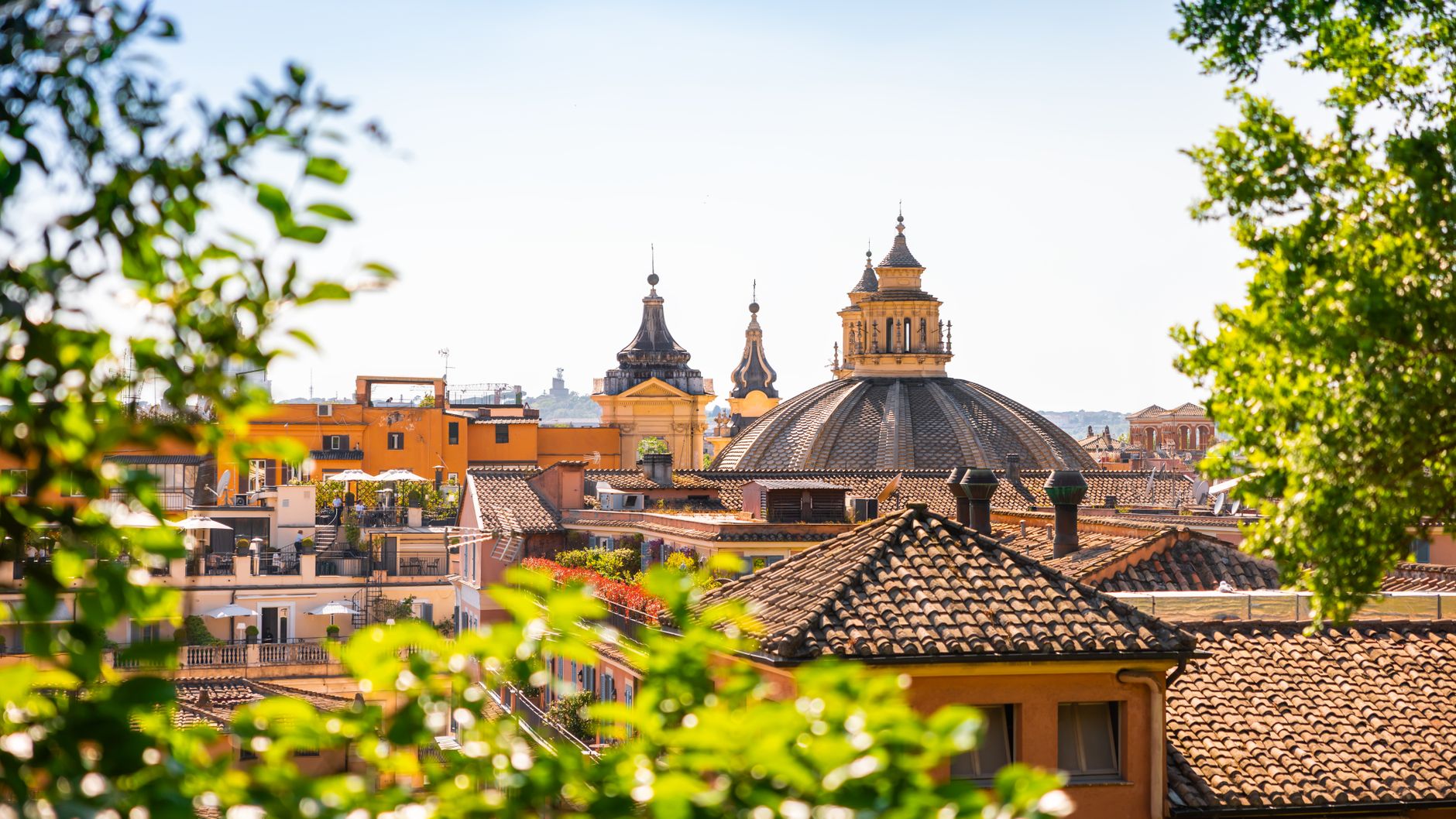
Barcelona is a vibrant city located on the northeastern coast of Spain, acting as the capital of the Catalonia region. It is known for its rich history, stunning architecture, and lively culture, attracting millions of tourists each year. Whether you are looking for beautiful beaches, world-class dining, or historical landmarks, Barcelona has something for everyone.
The city’s unique blend of modernist and Gothic architecture, especially the famous works of Antoni Gaudí, makes it a standout destination. Nestled between the Mediterranean Sea and the Collserola mountain range, Barcelona offers not only urban attractions but also a picturesque natural landscape.
Where Is Barcelona At?
Barcelona is located in northeastern Spain along the coast of the Mediterranean Sea, approximately 120 kilometers (75 miles) from the French border. As a major European city, it lies at the heart of the Catalonia region, which adds to its cultural richness and historical significance. The city is well-connected by train, air, and road, making it easily accessible.
Why Visit Barcelona?
Barcelona is a city that suits various types of travelers. Those who appreciate art and architecture will find themselves captivated by landmarks like the Sagrada Família and Park Güell. Food enthusiasts can indulge in Catalan cuisine at local tapas bars, while beach lovers can unwind on popular city beaches. The city’s vibrant nightlife and diverse cultural offerings make it ideal for solo travelers and families alike.
Getting There
Barcelona is well-connected internationally with its major airport, El Prat Airport (BCN), located about 12 kilometers (7.5 miles) from the city center. It serves numerous direct flights from various countries. To reach the city from the airport, travelers can opt for:
- Aerobus: A dedicated bus service that connects the airport with several key areas in Barcelona.
- Train: The RENFE train service links the airport to the central city station.
- Taxis: Readily available at the airport, providing a convenient way to arrive directly at your accommodation.
If traveling from other parts of Spain or Europe, high-speed trains like the AVE connect Barcelona to major cities such as Madrid and Valencia. Additionally, several bus companies operate routes throughout Spain and neighboring countries. For those driving, Barcelona is accessible via major road networks.
Getting Around Barcelona
Once in Barcelona, navigating the city is straightforward thanks to its extensive public transportation network. Here are the key options:
- Metro: The metro system is efficient and covers most parts of the city, making it one of the best ways to get around.
- Buses: An extensive bus network complements the metro, providing access to areas not reached by underground.
- Trams: Trams mainly operate in the outer parts of the city and connect well with metro and bus services.
- Bicycles: Barcelona is a bike-friendly city, with dedicated bike lanes and rental services available throughout.
- Walking: Many attractions are located close to one another, making walking a convenient option to explore the city’s vibrant neighborhoods.
Best Areas to Stay in Barcelona
Choosing the right area to stay in can enhance your Barcelona experience. Here are some of the best neighborhoods based on different traveler types:
1. Eixample
This modernist neighborhood is home to a significant number of Gaudí’s works, including La Pedrera and Casa Batlló. It is well-planned, with grid-like streets and plenty of dining options.
2. Gothic Quarter (Barri Gòtic)
For those seeking a historic ambiance, the Gothic Quarter offers narrow medieval streets, ancient buildings, and a rich cultural scene. It is also conveniently located near La Rambla and the waterfront.
3. Barceloneta
If your priority is the beach, consider staying in Barceloneta. This coastal neighborhood has easy access to sandy beaches, seafood restaurants, and a lively atmosphere.
4. Gràcia
For a bohemian vibe, Gràcia boasts quirky shops, local markets, and a variety of bars and restaurants. It offers a more relaxed pace away from the hustle of popular tourist areas.
5. El Born
Trendy shops, art galleries, and excellent tapas bars fill the streets of El Born. Close to the Picasso Museum and the stunning Santa Maria del Mar church, it’s perfect for culture lovers.
Top Attractions in Barcelona
Barcelona is brimming with attractions, and it’s important to plan your itinerary to make the most of your visit. Here are some must-see sites:
1. Sagrada Família
This iconic basilica designed by Antoni Gaudí is a UNESCO World Heritage site. Its intricate facade and stunning interiors are a testament to Gaudí’s genius.
2. Park Güell
Another of Gaudí’s masterpieces, this colorful park filled with mosaic tiles provides breathtaking views of the city. Exploring its creative structures and gardens can be a delightful way to spend an afternoon.
3. Gothic Quarter
Explore the historical heart of the city, where you’ll find beautiful architecture, charming squares, and the Barcelona Cathedral. It’s a fantastic area to meander and soak up the atmosphere.
4. Casa Batlló
This modernist building, also designed by Gaudí, features a colorful facade and unique interior. Don’t miss the rooftop terrace that resembles the back of a dragon!
5. Montjuïc Hill
Offering panoramic views of the city, Montjuïc is home to several attractions, such as the Magic Fountain, Montjuïc Castle, and the Olympic Stadium. You can reach it via a funicular or cable car.
6. La Rambla
This famous promenade is lined with shops, cafes, and street performers. Strolling La Rambla provides a glimpse into the local culture and energy of Barcelona.
Food and Drink Guide
Barcelona’s culinary scene is a fusion of traditional Catalan flavors and modern cuisine. Here are some essential dishes and drinks to try during your visit:
- Tapas: Small plates that offer a variety of flavors, including patatas bravas, croquettes, and cured meats.
- Paella: A famous rice dish often made with seafood, chicken, or vegetables, best enjoyed at a beachfront restaurant.
- Cava: This sparkling wine is produced in Catalonia and is a delightful companion to meals.
- Churros and chocolate: A classic sweet treat, churros are often dipped in hot chocolate for an indulgent experience.
- Esqueixada: A traditional salad made with shredded salt cod, tomatoes, onions, and green peppers, perfect for a refreshing dish.
When to Visit Barcelona
The best time to visit Barcelona largely depends on your interests and tolerance for crowds. The following insights can help you decide:
- Spring (March to May): Pleasant weather and blooming flowers make this season ideal for exploring the city. Tourist crowds are moderate.
- Summer (June to August): Barcelona bustles with activity, but it can be hot and crowded, especially in July and August. Ideal for beachgoers and outdoor events.
- Fall (September to November): Mild temperatures and fewer tourists make autumn a lovely time to visit; ideal for exploring cultural sites.
- Winter (December to February): Cooler temperatures, but enjoy holiday decorations and events. Fewer tourists mean shorter lines at attractions.
Suggested Length of Stay
A stay of four to five days is ideal for first-time visitors to Barcelona. This timeframe allows you to experience the major attractions, sample the cuisine, and soak up the city’s lively atmosphere. If you plan to take day trips to nearby sites, consider extending your stay.
Budget Considerations
Budgeting for your trip to Barcelona can help you make the most of your experience without overspending. Here are some factors to consider:
- Accommodation: Expect to pay more for central locations. Affordable options include hostels and budget hotels.
- Food: Dining costs vary. Tapas are generally affordable, while fine dining can be pricey. Budget around 10-20 euros per meal.
- Attractions: Entrance fees vary. Some sites, like the beach and parks, are free, while major attractions can range from 10 to 30 euros.
- Transportation: Public transport is cost-effective, with single tickets available. Consider the T10 travel card for multiple journeys.
Tips for Visiting Barcelona
To ensure a smooth trip, consider these practical tips before you go:
- Be mindful of pickpockets, especially in touristy areas like La Rambla.
- Learn basic phrases in Spanish or Catalan to enhance your interactions with locals.
- Book tickets for popular attractions online in advance to avoid long lines.
- Try to dine during off-peak hours to enjoy a more relaxed experience.
- Respect local customs and traditions, especially when visiting religious sites.
Accessibility and Safety Considerations
Barcelona is generally considered safe for tourists, but like any city, it’s wise to take precautions. The city is accessible for travelers with limited mobility, with many attractions providing ramps and accessible entrances. However, some historic areas may have cobblestone streets that can be challenging.
Nearby Day Trips from Barcelona
Barcelona’s location makes it easy to explore surrounding regions. Consider these popular day trips:
- Montserrat: Famous for its monastery and breathtaking mountain views, Montserrat can be reached by train in about an hour.
- Tossa de Mar: A charming coastal town, known for its medieval castle and beautiful beaches, approximately 1.5 hours from Barcelona.
- Costa Brava: A stunning stretch of coastline featuring picturesque villages and hidden coves, great for a scenic getaway.
- Sitges: A lively beach town known for its beaches and vibrant nightlife, around 35 minutes by train.
Final Thoughts
Barcelona offers a unique mix of culture, history, and modernity, making it an ideal destination for a wide range of travelers. With careful planning, you can experience the best this vibrant city has to offer without feeling rushed. Enjoy your journey to Barcelona!
To continue your travel planning, explore our guides such as Is Barcelona Dangerous? and Where Is Rome?.