
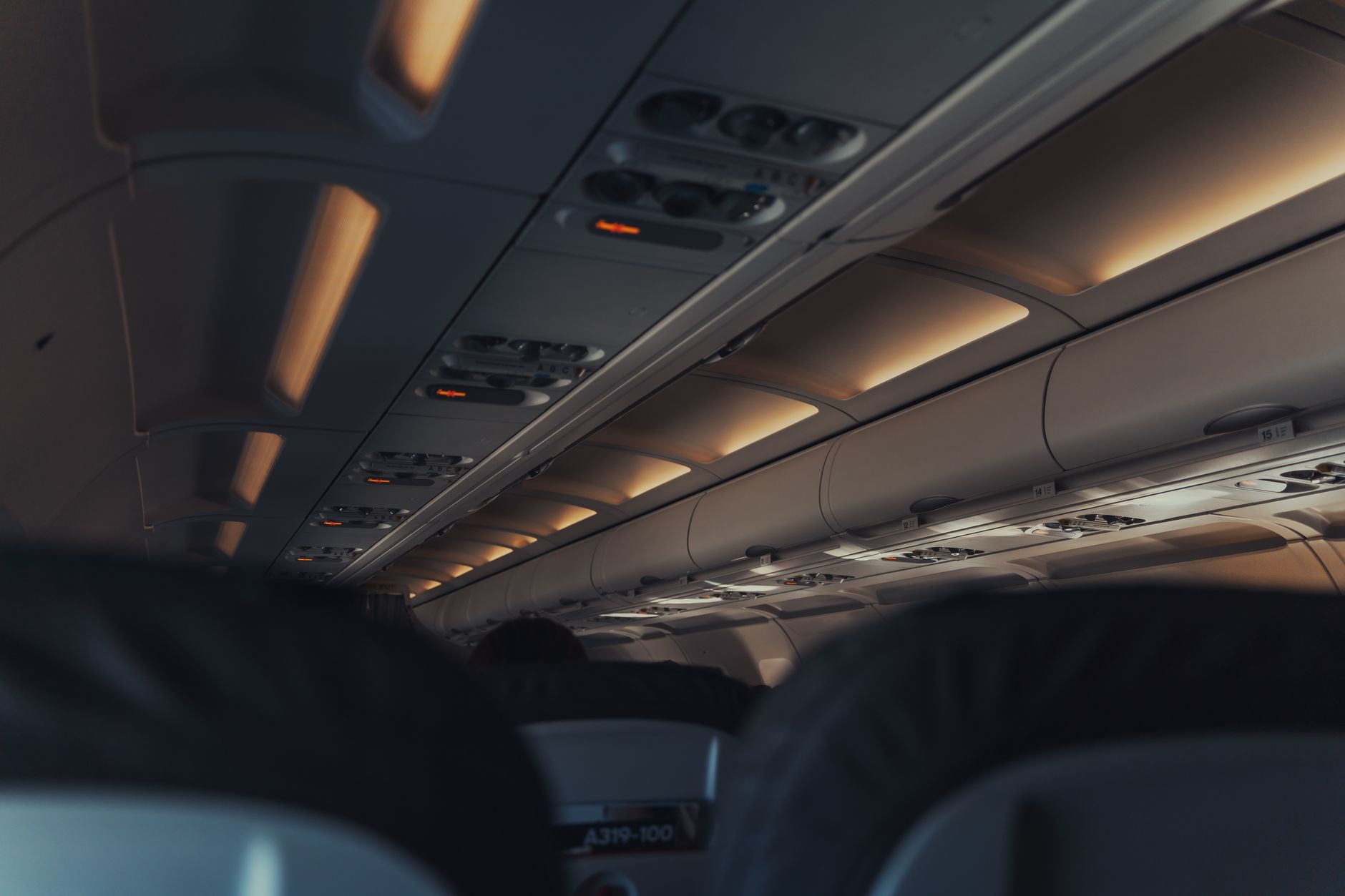
Flying coach generally refers to traveling in economy class on an airline. It is the most common option for commercial travel, offering a balance between cost and comfort. Understanding the ins and outs of flying coach can help you make informed decisions about your travel needs and expectations.
For many travelers, flying coach represents the affordable option for air travel, allowing individuals and families to reach their destinations without breaking the bank. This article explores what it means to fly coach, including what to expect, tips for a smoother experience, and how it compares to other classes of service.
What Does It Mean To Fly Coach?
Flying coach typically means traveling in an economy class seat on an airline. These seats are designed to accommodate more passengers, resulting in smaller seat dimensions and reduced space compared to first or business class. Coach seating generally provides basic amenities, but comfort levels and services can vary depending on the airline, route, and duration of the flight.
Passengers in coach generally pay lower fares, which makes this option popular for budget-conscious travelers. Economy class tickets may also have restrictions on changes and cancellations, with different fare classes offering varying levels of flexibility.
Dimensions and Amenities of Coach Class
In coach class, one can typically expect the following dimensions and amenities:
- Seat Dimensions: Economy seats usually range from 17 to 18 inches wide, with a pitch (distance from one seat to the seat in front) ranging between 30 to 32 inches.
- Reclining Options: Most coach seats offer a small recline, usually between 2 to 5 inches, but excessive reclining is usually discouraged to avoid discomfort for passengers seated behind.
- Entertainment: While many airlines equip their coach classes with personal screens, others may opt for overhead screens. Passengers might also have access to streaming services on personal devices.
- Food and Beverages: Complimentary meals may be provided on long-haul flights, while shorter routes may offer snacks or beverages for purchase. Some airlines provide a buy-on-board menu.
- Power Outlets: Availability of power outlets or USB ports in economy class varies by airline and aircraft.
Understanding Fare Structures
When purchasing a coach ticket, you’ll encounter different fare classes, each with its own restrictions and benefits:
- Basic Economy: Offers the lowest fare but comes with restrictions, including no seat selection and limited flexibility for changes or cancelations.
- Standard Economy: Often includes standard amenities like seat selection and checked baggage allowance.
- Flexible Economy: Higher fare with added benefits such as the ability to change or cancel flights without incurring the usual fees.
Familiarizing yourself with these fare structures can ensure you choose a ticket that aligns with your travel needs and preferences.
Booking a Coach Flight
When booking a coach flight, several strategies can help you find the best deal:
- Be Flexible with Dates: Use flight comparison tools to gauge fares on different dates and consider traveling during off-peak seasons.
- Sign Up for Alerts: Many travel websites offer fare alerts that notify you when prices drop for desired destinations.
- Check Multiple Airlines: Different airlines may offer varying options at different prices, so always compare.
- Book in Advance: The earlier you book, the more likely you are to find competitive prices, particularly for popular routes.
Preparing for Your Coach Flight
Preparation can significantly enhance your experience in coach class. Here are some tips for a smooth journey:
- Arrive Early: Give yourself plenty of time at the airport to avoid rushing. Aim to arrive at least two hours before domestic flights and three hours for international flights.
- Check Baggage Policies: Verify baggage allowances for your airline’s economy class, which can vary widely.
- Dress Comfortably: Wear layered, comfortable clothing suitable for differing temperatures in the airplane.
- Pack Wisely: Use a personal item or smaller carry-on that can fit under the seat in front of you to maximize space.
What to Expect During the Flight
During the flight, you’ll find that experiences may vary based on the airline, the route, and individual service standards from flight attendants. Here’s what you can generally anticipate:
- Boarding: Boarding typically occurs in groups based on seat assignments or priority, meaning coach passengers might board last unless they have status or upgrade privileges.
- Seating Arrangement: Most airlines have a 3-3 configuration on narrow-body aircraft, ensuring that seat neighbors may be present, so choose your seat strategically if you prefer a window or aisle spot.
- Safety Briefing: Pay attention to the safety instructions, either from the flight attendants or the safety video, to familiarize yourself with emergency procedures.
- In-Flight Service: Expect to be offered beverages and possibly snacks or meals, depending on the flight length and airline.
Maximizing Comfort in Coach
Comfort can be challenging in economy class, but there are strategies to enhance your experience:
- Noise-Canceling Headphones: These can help reduce cabin noise and improve your in-flight entertainment experience.
- Bring Your Own Snacks: Having a few favorite snacks can make a considerable difference, especially if the airline’s offerings don’t meet your preferences.
- Hydrate: Drink plenty of water during the flight to remain hydrated, especially on longer journeys.
- Move Around: Take time to stretch and walk around the cabin to enhance circulation and reduce discomfort.
Upgrades and Alternatives
Sometimes, travelers wonder whether to attempt upgrading to a better class from coach. Here’s an overview:
- Upgrade Options: Many airlines offer upgrade options for a fee, or you can use frequent flyer miles for potential upgrades. Always check the cost versus the benefits.
- Premium Economy: This class often provides more legroom, wider seats, and better amenities compared to standard coach at a moderate price increase.
- Consider Different Airlines: Certain airlines may provide better service standards in their economy class; research and reviews can help point you in the right direction.
Common Misconceptions About Flying Coach
There are several common misconceptions that many travelers may hold about flying coach:
- All Coach Experiences are the Same: In reality, service and comfort can vastly differ among airlines, routes, and even aircraft types.
- All Food is Bad: While some airlines have limited meal options in economy, others provide quality meals, particularly on long-haul flights.
- Flying Coach is Unbearable: Many travelers successfully enjoy their coach class experiences by preparing adequately and maintaining a positive attitude.
Post-Flight Considerations
After your flight, there are few practical steps to keep in mind:
- Retrieve Baggage Promptly: Head to the baggage claim area as soon as you can to ensure you get your luggage before it’s misplaced or delayed.
- Check for Claims: If your baggage is damaged or lost, report this immediately to your airline for filing a claim.
- Provide Feedback: Don’t hesitate to share your experience with the airline, whether positive or constructive. Your feedback helps improve services.
Conclusion
Flying coach is a practical solution for many travelers, balancing affordability with acceptable comfort. Understanding what to expect, being proactive in your planning, and preparing for the experience can significantly enhance your journey. Next time you hit the skies in coach, remember these tips to ensure a smoother flight and more enjoyable travel experience.
Explore more practical travel tips and guides by checking out related articles on bringing snacks on planes and flight durations, including bringing cookies on a plane and how long is the flight from NYC to Paris.