
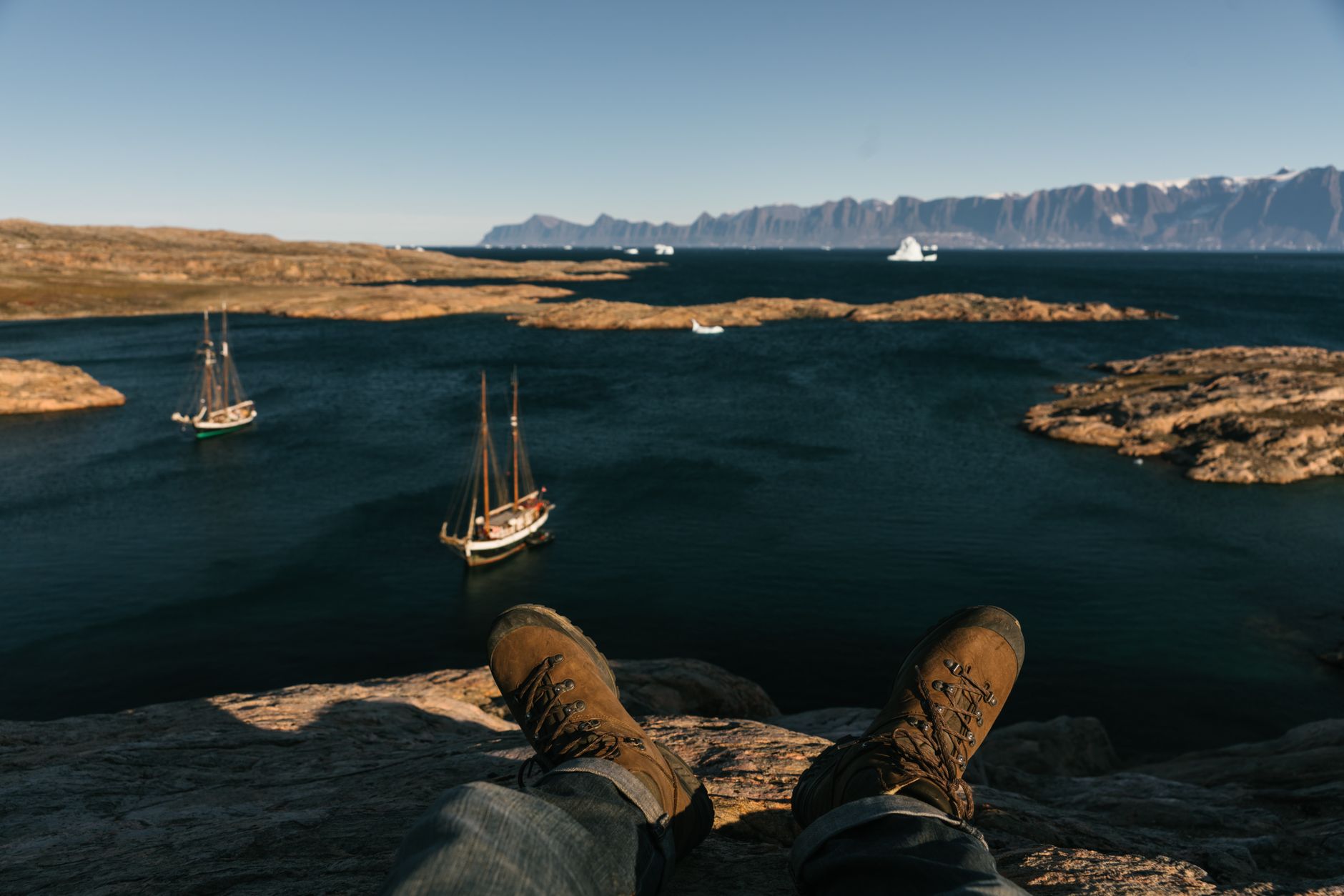
Greenland, with its dramatic landscapes and unique culture, draws travelers eager for adventure and exploration. From the mesmerizing Northern Lights to the midnight sun, the island’s varying seasonal offerings can greatly influence your experience. Understanding when to visit is crucial for making the most of your trip.
This guide delves into the optimal times to visit Greenland, breaking down the weather, activities, and special events by season, ensuring you have all the information you need to plan an unforgettable journey.
When Is The Best Time To Visit Greenland?
The best time to visit Greenland varies depending on what you want to see and do. Generally, late spring to early autumn—between May and September—is ideal for outdoor activities and cultural events, while winter months offer a unique chance to witness the Northern Lights.
Understanding Greenland’s Seasons
Greenland experiences four distinct seasons, each offering unique attractions and challenges. Here’s a closer look at each season to help you determine the best time for your visit.
Spring (March to May)
Spring is a beautiful time in Greenland as the days grow longer and temperatures begin to rise, making it a prime time for wildlife watching and exploring the rugged landscapes.
- Weather: Temperatures range from -15°C (5°F) in March to about 0°C (32°F) in May. Expect a mix of snow and emerging greenery.
- Activities: Ideal for dog sledding, snowshoeing, and wildlife spotting. This is also a great time to see narwhales and migrating birds. The increased daylight allows for longer exploration.
- Festivals: The native population celebrates various cultural events, making it a vibrant time to experience local traditions.
Summer (June to August)
Summer is the most popular season in Greenland, offering milder temperatures, the midnight sun, and thriving outdoor activities.
- Weather: Average temperatures range from 5°C (41°F) to 15°C (59°F), with some areas experiencing even warmer days. The weather is generally clear, perfect for hiking and exploration.
- Activities: Expect to engage in hiking, kayaking, and sea cruises. This is also the time to visit the stunning ice fjords and glaciers, particularly in Ilulissat.
- Festivals: Summer brings cultural events such as National Day on June 21, which celebrates Greenland’s culture and heritage.
Autumn (September to November)
Autumn presents stunning scenery with vibrant autumn foliage, but temperatures drop quickly, and daylight diminishes.
- Weather: Early autumn is mild, transitioning to colder temperatures as winter approaches. Expect temperatures from 0°C (32°F) in September to -10°C (14°F) by November.
- Activities: This season is perfect for photography enthusiasts wanting to capture beautiful autumn colors. It’s also a good time for whale watching, particularly in September.
- Festivals: There are fewer festivals during this time, but you can still enjoy local gatherings and cultural activities.
Winter (December to February)
Winter transforms Greenland into a snowy wonderland, ideal for those seeking solitude and unique winter experiences.
- Weather: Expect cold temperatures ranging from -20°C (-4°F) to -5°C (23°F), with longer nights dominated by darkness.
- Activities: Go snowmobiling, dog sledding, or enjoy the stunning views of the Northern Lights. Winter remains a prime time for photography, especially for capturing the aurora borealis.
- Festivals: The Christmas season brings traditional festivities, and the New Year is celebrated with enthusiasm.
What to Consider When Planning Your Visit
When deciding on the best time to visit Greenland, consider the following factors:
- Activities: Identify the activities most important to your visit. Some are seasonal, such as skiing in winter or hiking in summer.
- Budget: Prices for flights and accommodations can vary significantly based on the season. Popular summer months often see higher rates.
- Tourist Crowds: Summer attracts the most tourists, so plan accordingly if you prefer a quieter experience.
- Weather Preparedness: Greenland’s weather can be unpredictable, so bringing appropriate clothing and gear is essential.
Length of Stay Suggestions
To fully appreciate the diverse experiences Greenland offers, consider the following duration options:
- Short Stay (3 to 5 days): Ideal for a focused exploration of a specific area, such as Nuuk or Ilulissat.
- Medium Stay (5 to 10 days): Recommended for experiencing several areas, activities, and the rich culture.
- Long Stay (2 weeks or more): Great for a comprehensive exploration, including remote communities and off-the-beaten-path locations.
Transportation Options
- Getting There: Flights to Greenland are available from major cities in Denmark, Iceland, and other countries.
- Domestic Flights: Greenland is vast, making local flights essential for reaching more remote destinations.
- Boats: In summer, coastal ferries and excursion boats offer transportation and scenic tours to various fjords and towns.
- Land Transport: In cities, taxis, bicycles, or even walking are common, while outdoor exploration might require hiking or rental vehicles in accessible areas.
Accommodation Options
Greenland offers a range of accommodation options suited for different budgets and preferences. Here’s a breakdown:
- Hotels: Major towns like Nuuk and Ilulissat feature a variety of hotels, from budget to luxury options.
- Guesthouses: Guesthouses provide a local experience, often run by individuals or families, and are usually more cost-effective.
- Camps and Cabins: For those seeking a more rustic experience, camping or renting cabins in the wilderness can be ideal, especially in summer.
- Homestays: Experience Greenlandic culture firsthand by staying with local families in remote areas.
Food and Drink
Understanding local cuisine is part of the adventure. Here’s what to expect:
- Traditional Dishes: Greenlandic cuisine features fresh fish, seafood, reindeer, and locally harvested produce. Don’t miss trying dishes like seal, Greenlandic shrimp, and guest favorites like muktuk (whale skin and blubber).
- Dining Options: Local restaurants are the go-to for traditional meals. Expect a blend of international and local flavors in urban areas.
- Drinks: Sample local beers and spirits, with grocery stores often carrying a selection of Nordic brands.
Budget Considerations
Traveling in Greenland can be more costly than many destinations, largely due to its remote location and limited services. Here’s a budget breakdown:
- Flights: Expect higher prices during peak season (summer) with round-trip international flights rather than direct flights.
- Accommodation: Prices vary depending on location and type, increasing in popular tourist areas during peak months.
- Activities: Factor in costs for tours, excursions, and optional activities, which can accumulate quickly.
- Food: Dining out can be expensive; consider self-catering for part of your stay to manage costs better.
Safety and Health Considerations
Traveling to Greenland is generally safe, but certain precautions are advised:
- Wildlife Safety: Respect local wildlife by observing from a distance. Avoid approaching bears or seals, particularly in breeding seasons.
- Weather Preparedness: Weather can change rapidly. Always pack layers, and be equipped with proper outdoor gear for your chosen activities.
- Travel Advisories: Stay informed regarding travel advisories, healthcare availability, and necessary vaccinations before your trip.
Optimal Itineraries for Different Travelers
To help you plan, here are example itineraries based on various interests:
Adventure Seekers
- Day 1: Arrive in Nuuk, spend the day exploring the city and visiting museums.
- Day 2: Begin a multi-day kayaking trip along the fjords, camping along the way.
- Day 3: Continue exploring the coastline; return to Nuuk in the evening.
- Day 4: Take a day trip to Qeqertarsuaq for hiking and explore the unique geology.
Culture Explorers
- Day 1: Arrive in Ilulissat, visit the Icefjords and walk through the town.
- Day 2: Experience an Inuit cultural tour with local guides.
- Day 3: Spend the day at the Ilulissat Museum followed by a scenic boat tour.
- Day 4: Join a traditional cooking class to learn about Greenlandic cuisine.
Wildlife Enthusiasts
- Day 1: Arrive in Sisimiut and check into your accommodation.
- Day 2: Go on a whale watching tour out of Sisimiut.
- Day 3: Visit nearby national parks for bird watching and exploring local fauna.
- Day 4: Participate in a guided tour to look for reindeer or musk oxen in their natural habitat.
Final Tips for Visiting Greenland
To wrap things up, here are some practical tips to consider before you embark on your Greenland adventure:
- Check Entry Requirements: Ensure you are familiar with visa or entry requirements based on your nationality.
- Book Early: Particularly in summer, accommodations and flights fill up quickly, so plan and book in advance.
- Pack Strategically: Regardless of the season, packing layers, waterproof outerwear, and suitable footwear is essential.
- Stay Flexible: With ever-changing weather, maintain flexibility in your plans to accommodate for potential changes.
By understanding the seasons, temperatures, and activities available in Greenland, you can tailor your visit to match your interests, ensuring a memorable experience. Whether you’re seeking the midnight sun or chasing the Northern Lights, Greenland has something special for every traveler.
For more information on planning your trip, explore related guides on our blog such as seeing Greenland from Iceland and how to see the Northern Lights in Iceland.