
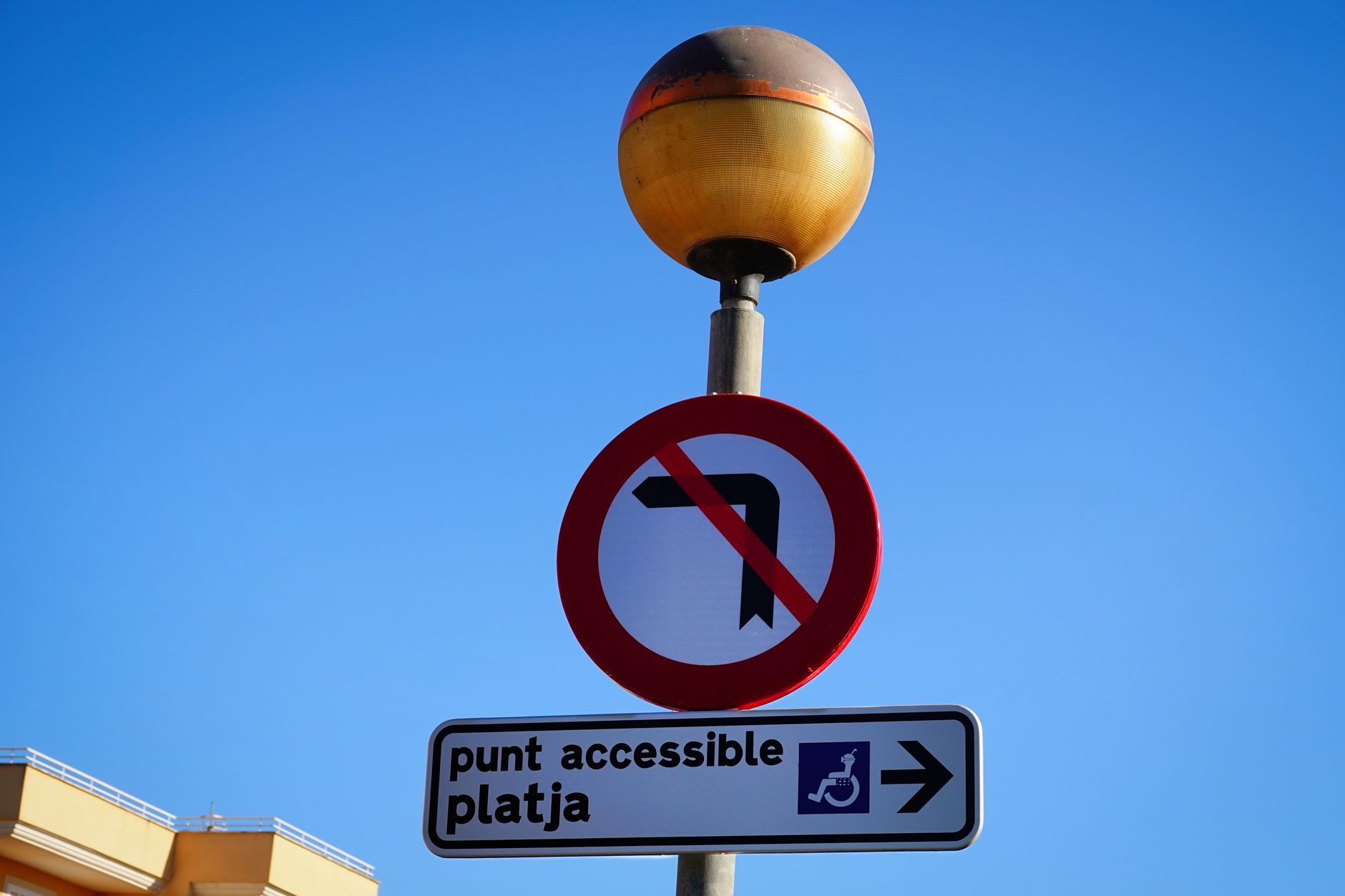
A “No Standing” sign is a traffic regulation sign that indicates vehicles may not stop at that particular location, even temporarily. It’s a common sight in urban areas where managing traffic flow is essential. Understanding these signs can help travelers navigate cities more efficiently while avoiding fines.
In this article, we will explore what a “No Standing” sign means, its implications for drivers and pedestrians, and essential tips to remember when traveling in areas with these signs.
What Is A No Standing Sign?
A “No Standing” sign signifies that vehicles cannot stop in that area for any reason, including brief stops or pick-ups. This is different from a “No Parking” sign, where vehicles might be allowed to stop temporarily while actively loading or unloading passengers or goods. In places where safety and traffic congestion are a concern, the “No Standing” regulation becomes crucial.
No Standing signs are designed to keep traffic moving smoothly and are often found near bus stops, intersections, or busy commercial areas where congestion can easily build up. Failing to adhere to these signs can result in fines or even towing of the vehicle.
Key Differences Between No Standing, No Parking, and No Stopping Signs
To understand the “No Standing” sign fully, it’s essential to distinguish it from other types of signs:
- No Standing: Vehicles cannot stop at all—this includes stopping to drop off passengers.
- No Parking: Vehicles are not allowed to park but may stop temporarily to load or unload passengers or goods.
- No Stopping: Vehicles cannot stop at any time for any reason. This is the strictest restriction.
Knowing the differences helps drivers understand the rules of the road better and ensures compliance with local traffic regulations, particularly in busy urban environments.
Common Locations for No Standing Signs
No Standing signs are typically found in areas where maintaining traffic flow is critical. Here are some common locations:
- Bus Stops: Buses need to pull over safely to pick up passengers, so adjacent areas may have “No Standing” signs.
- Intersections: To keep traffic moving smoothly and maintain clear lines of sight, many intersections feature “No Standing” signs.
- Fire Zones: To ensure emergency vehicles can access buildings quickly, these zones often have “No Standing” and “No Parking” signs.
- Commercial Areas: Busy commercial districts may utilize “No Standing” signs to ensure a steady flow of vehicles, particularly in drop-off zones.
Consequences of Ignoring No Standing Signs
Ignoring “No Standing” signs can lead to several consequences:
- Fines: In many cities, the penalties for ignoring no standing regulations can range significantly, so it’s best to familiarize yourself with local laws.
- Towing: In some jurisdictions, vehicles can be towed if parked in violation of “No Standing” signs, leading to additional costs.
- Traffic Delays: Stopping in “No Standing” zones can create traffic congestion and delays for all road users.
It’s essential for travelers to be aware of the locations of these signs and to comply with them to avoid these repercussions during their journey.
Traveling in Cities with Heavy Traffic: Practical Tips
When traveling to bustling cities where “No Standing” signs are common, consider the following tips:
- Look for Signage: Always watch for traffic signs and obey them diligently. It’s easy to overlook signs, especially when navigating unfamiliar streets.
- Use Transportation Apps: Consider using transportation applications that can help you identify safe pickup and drop-off zones, which may help you avoid no standing areas.
- Plan Ahead: Research your destination in advance to pinpoint the best places for parking or temporary stops.
- Utilize Public Transport: Whenever feasible, rely on public transportation. This can often be a more efficient way to navigate crowded urban areas without worrying about these signs.
- Engage Local Culture: Explore local customs to better understand traffic regulations; this knowledge can help visitors avoid fines and immerse themselves in local norms.
Examples of No Standing Signs Around the World
No Standing signs can be found globally, and their appearance may vary slightly from place to place. Here are examples from different regions:
- New York City, USA: New York uses clear regulations to enforce “No Standing” zones to ensure bus services run efficiently, often near busy streets and intersections.
- London, UK: London implements traffic regulations through color-coded road markings along with “No Standing” signs to indicate restricted areas near public transit stations.
- Tokyo, Japan: Many areas in Tokyo have “No Standing” signs to facilitate the busy flow of pedestrian traffic, particularly in districts known for shopping and entertainment.
How to Report an Issue with No Standing Signs
While it’s crucial to be aware of “No Standing” regulations, there may be times when the signage is unclear or missing. Here’s how to report such issues:
- Contact Local Authorities: Most cities have a designated department for handling traffic-related concerns, making it possible to report unclear or improperly placed signs.
- Use Local Mobile Apps: Many urban areas encourage reporting issues through mobile applications developed specifically for citizen engagement.
- Document the Issue: If you’re experiencing trouble with outdated or missing signage, take photos and note the location to provide context to the authorities.
Best Practices for Parking in No Standing Zones
While parking in “No Standing” zones is prohibited, there are ways to navigate parking challenges without consequences:
- Observation: Always look for nearby parking lots or garages where you can safely leave your vehicle.
- Drop-Off Zones: Use designated drop-off zones that allow for short stops when needed, ensuring you read the signs carefully.
- Ask for Help: If you’re unsure where to park, don’t hesitate to ask local residents or businesses for advice on nearby parking options.
Travel Implications of No Standing Signs
Understanding traffic signs, particularly “No Standing,” is essential for travelers who wish to avoid complications during their trips. Misinterpreting or ignoring these signs can lead to unwanted stress, financial penalties, and disruptions in travel plans.
When planning your itinerary in urban areas, be conscious of how these regulations can affect your schedule. From planning ahead for transportation to ensuring you are aware of desired drop-off points, being informed is key to a successful trip.
Conclusion
In summary, recognizing and adhering to “No Standing” signs is crucial for any traveler in busy urban areas. It ensures smoother navigation and enhances the experience by avoiding potential fines or towings. Prepare yourself adequately and remain aware of your surroundings to help stay compliant with local regulations.
To maximize your travel experience, familiarize yourself with other traffic signs such as the red and white triangular sign and the do not enter sign to better understand the rules of the road wherever you go.