
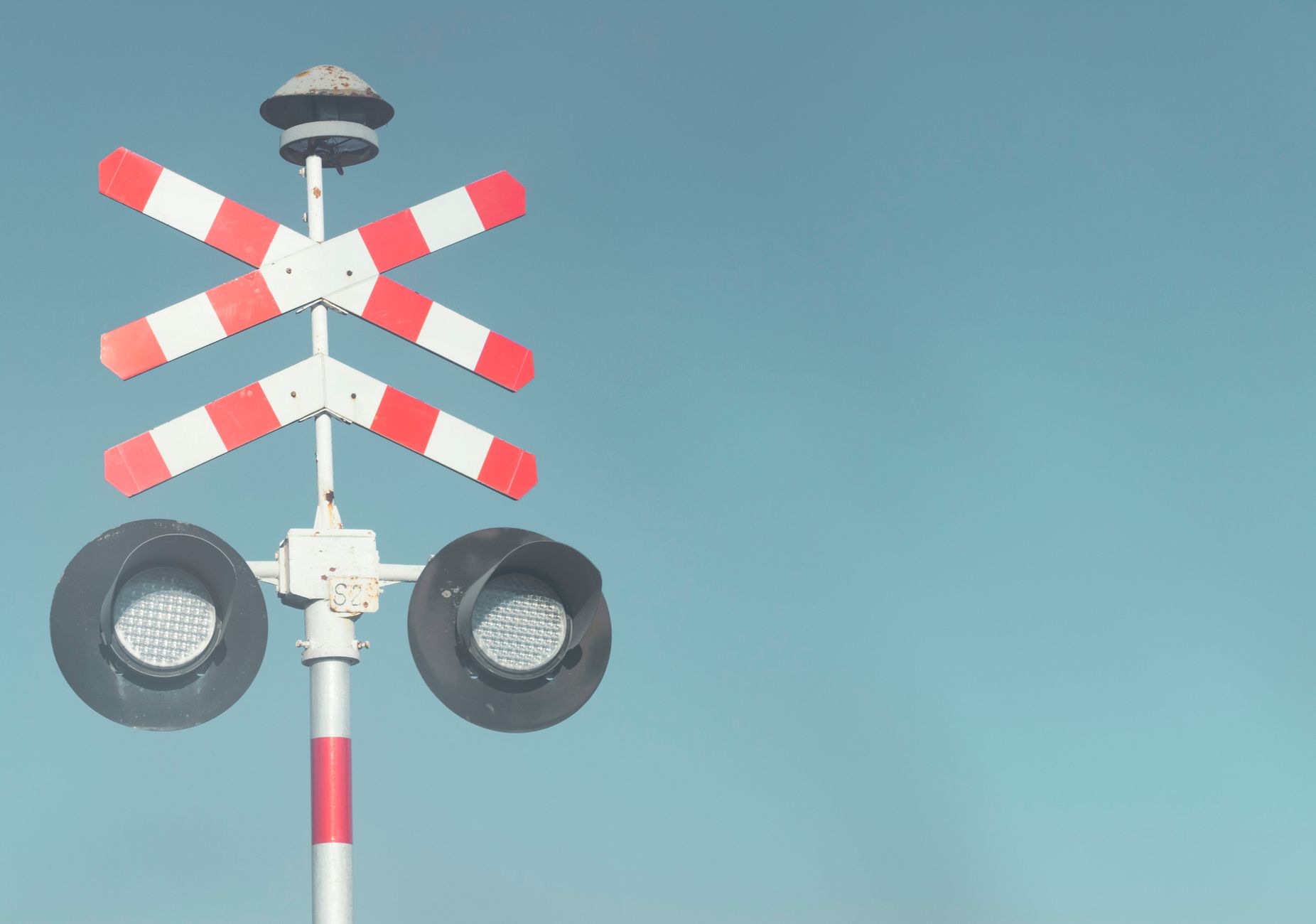
Crossbuck signs are a familiar sight for travelers on roadways, particularly where railroads intersect with highways. Recognized by their iconic X-shaped design, these signs serve a crucial safety function, alerting drivers and pedestrians to potential train crossings. Understanding what a crossbuck sign signifies can enhance your travel experience and ensure safety on the road.
This article outlines the features and importance of crossbuck signs, their placement and legal implications, and what to keep in mind when approaching a railroad crossing. Whether you are a seasoned road tripper or an occasional traveler, being informed can help you navigate these crucial safety markers.
What Is A Crossbuck Sign?
A crossbuck sign is a regulatory traffic sign that indicates the presence of a railroad crossing. It typically consists of a white background with a bold black “X” and the words “Railroad Crossing” printed beneath it. The purpose is to alert drivers that they are approaching a point where a railway line intersects with the roadway.
Understanding these signs can be vital, especially in rural areas where train crossings might not be as well-marked. They play an essential role in promoting safety, helping to prevent accidents that can arise when road traffic interacts with rail traffic.
The Importance of Crossbuck Signs
Crossbuck signs serve several critical functions on the road:
- Safety Alert: The primary purpose of a crossbuck sign is to warn drivers and pedestrians of an upcoming railroad crossing. This warning can be especially important in areas where train frequencies are high.
- Legal Requirement: In many jurisdictions, the display of crossbuck signs at railroad crossings is mandatory. They are an essential part of traffic control measures to ensure safer roadways.
- Travel Guidance: For travelers on a road trip, understanding what these signs mean can help in planning routes, especially in regions where railway lines may be prevalent.
How to Identify a Crossbuck Sign
When traveling, you should know how to identify a crossbuck sign quickly. These signs typically have the following characteristics:
- Shape: The sign is shaped like an “X” and commonly appears in a white and black color scheme.
- Text: The words “Railroad Crossing” are usually written clearly below the crossbuck symbol.
- Height: Crossbuck signs usually stand at least seven feet above the ground to be visible from a distance.
Placement and Legal Implications
The placement of crossbuck signs is an essential consideration in their effectiveness. They’re typically installed at the edge of the roadway before rail tracks. Here’s what to understand regarding the legal implications:
- Standard Protocol: Regulations often specify where and how these signs must be placed, with safety being the primary focus.
- Visibility: A crossbuck sign must be highly visible, unobstructed by trees, buildings, or other signage, ensuring that it can be spotted even in low light conditions.
- Enforcement: Disregarding a crossbuck sign can lead to penalties, as these signs are viewed as legal warnings regarding approaching hazards.
What to Do When Approaching a Crossbuck Sign
As a traveler, knowing how to react when approaching a crossbuck sign is crucial. Here are steps to ensure your safety and the safety of others:
- Slow Down: As soon as you see a crossbuck sign, reduce your speed and prepare to stop. Trains can come at unexpected times and speeds.
- Look and Listen: Before crossing the tracks, look in both directions for any oncoming trains. Also, listen for the sound of horns or bells.
- Stop if Necessary: If your view of the tracks is obstructed, stop at the sign, then inch forward carefully to see if a train is coming.
Crossbuck Signs in Different Countries
While the crossbuck sign is standard in the United States, different countries may use various designs and colors. Here’s a brief look:
- United States: The crossbuck is the standard sign, often accompanied by flashing lights and gates at busier crossings.
- Canada: Similar to the U.S., Canada uses a crossbuck design but may also include additional signage for other warnings.
- Other Countries: In some countries, different symbols may be used, often with a color-coded system to denote various degrees of warning.
Sign Variations and Additional Signals
In addition to the standard crossbuck sign, several variations and additional signals are often used at train crossings:
- Flashing Lights: Many crossings are equipped with lights that flash when a train is approaching, providing an additional visual warning.
- Gates: At busier intersections, gates may lower to block traffic from crossing when a train is near.
- Secondary Signs: Additional markers may provide details about train schedules or specific warnings in complex areas.
Common Mistakes When Approaching Crossbuck Signs
Even experienced travelers can make mistakes at railroad crossings. Here are some common errors to be aware of:
- Ignoring Signs: Drivers often overlook crossbuck signs and proceed without slowing down, which can lead to dangerous situations.
- Rushing Across: Some drivers may prematurely attempt to cross as a train approaches, misjudging the train’s speed.
- Distracted Driving: Attention to signage can be lost due to distractions, including mobile phones or conversations.
Safety Tips for Families and Solo Travelers
Both families and solo travelers need to remain vigilant when approaching railroad crossings. Here are some tailored tips:
- For Families: Teach children the importance of crossbuck signs and the proper steps to take at a railroad crossing. Always ensure they remain in the vehicle until it is safe to exit.
- For Solo Travelers: Practicing mindfulness and aware driving can be crucial. Ensure that you are not under the influence of distractions that can compromise your focus.
How Railroads Are Making Crossings Safer
In response to the need for increased safety, many railroads are implementing new technologies to enhance safety at crossings:
- Upgraded Signal Systems: Automated signals can now detect train approaches and activate warnings faster, giving drivers more time to react.
- Surveillance Cameras: Some crossings are now outfitted with cameras that monitor traffic progression and identify potential violations.
- Enhanced Lighting: Improved lighting is being installed in many locations to ensure safety during nighttime crossings.
Understanding Rail Traffic and Timing
When approaching a crossbuck sign, it can also be helpful to understand rail schedules and timing:
- Heavy Traffic Areas: In regions with frequent rail service, plan for potential delays due to train schedules.
- Information Resources: Some rail companies provide updates about train schedules on their websites or through mobile applications.
- Weather Conditions: Keep in mind that weather can affect train operations and schedules, necessitating flexibility in timing your travels.
The Future of Crossbuck Signs
As technology progresses, it’s likely we will see further innovations regarding railroad crossings:
- Smart Crossing Signals: Potential development in artificial intelligence could improve the responsiveness of crossing signals, ensuring higher safety standards.
- Public Awareness Programs: Continued community education around the importance of crossbuck signs and train safety will remain crucial.
- Global Standards: International collaboration may lead to more standardized crossbuck designs to enhance traveler understanding globally.
Even in a world increasingly focused on automatic transport and technology, the ancient partnership between trains and roads will remain a staple of transportation. Understanding crossbuck signs is vital for ensuring safety along these pathways.
Travelers should always approach railroad crossings with respect and vigilance, remembering that being informed can save lives. Whether driving through scenic countryside or navigating bustling urban environments, understanding crossbuck signs is an essential skill for every traveler.
Overall, educating yourself and others about the significance of crossbuck signs can greatly improve road travel safety and awareness. Make it a habit to acknowledge these signs and to adhere to the warnings they provide.
Explore more about traffic signs and safety measures by checking out these related articles on our site: the meanings of red and white triangular signs and the significance of do not enter signs.