
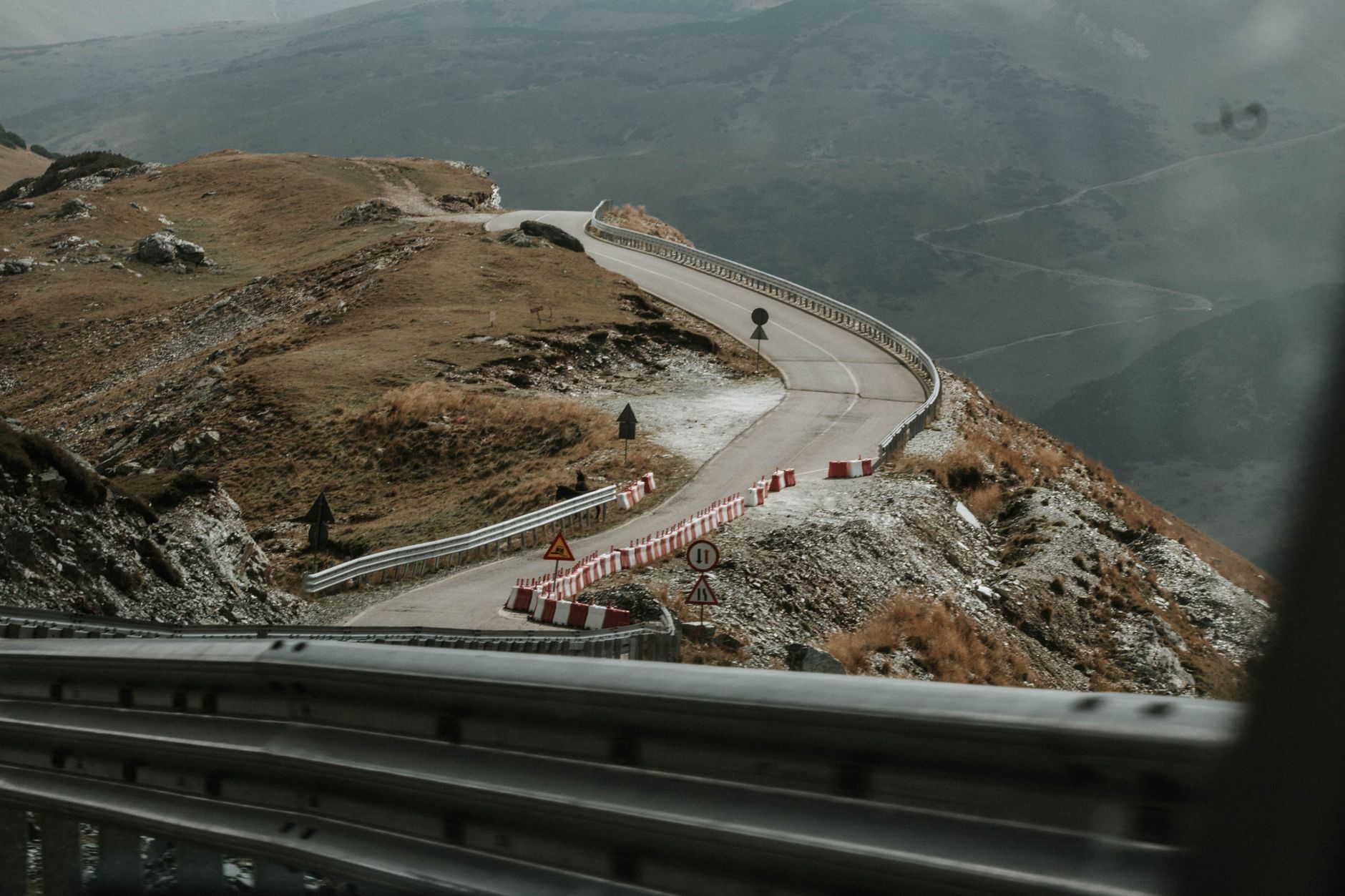
The title of the most dangerous road in America tends to stir curiosity among thrill-seekers and travelers alike. While many roads can boast treacherous conditions, one road often rises above the rest: the infamous “Road to the Sun” in Glacier National Park, Montana. Renowned for its stunning views as much as its perilous curves, it attracts those eager for breathtaking sights and the thrill of adventure.
In this guide, we’ll explore what makes this route so dangerous, along with tips on how to navigate it safely, what to enjoy along the way, and when to plan your visit. Buckle up, as we dive into what awaits those who dare to traverse this revered stretch of roadway.
What Is The Most Dangerous Road In America?
The most dangerous road in America is often regarded as the “Road to the Sun” through Glacier National Park, known for its sharp turns, steep drop-offs, and unpredictable weather conditions. Despite its risks, the road offers some of the most spectacular scenery, making it a must-visit for adventurous travelers.
Overview of the “Road to the Sun”
The Road to the Sun, officially known as Going-to-the-Sun Road, is a historic mountain road that spans 50 miles. First opened in 1933, it crosses the continental divide and is one of the few routes that connects the park’s east and west entrances. The road’s construction involved overcoming challenging terrain and extreme weather, and it remains an engineering feat today.
The road features breathtaking vistas, wildlife, and diverse ecosystems, but it also poses unique risks that visitors should be aware of. From narrow lanes to steep cliffs and sudden weather changes, it requires vigilant driving and awareness of the surroundings.
What Makes the Road Dangerous?
Several factors contribute to the dangerous reputation of the Road to the Sun:
- Narrow Lanes: The road is often just one lane wide, with limited space for passing, which can be particularly challenging for larger vehicles.
- Steep Drop-offs: Many sections of the road are marked by steep cliffs that offer little buffer between the vehicle and a substantial drop.
- Weather Changes: The weather can change rapidly in the park, with fog, rain, or snow occurring unexpectedly, significantly affecting visibility and road conditions.
- Wildlife Crossings: The area is teeming with wildlife, including deer and bears, which may unexpectedly cross the road, creating hazards for drivers.
- Heavy Traffic: The road can attract large crowds, especially during peak tourist season, leading to congestion and heightened risk of accidents.
Preparing for the Journey
If you’re considering traversing the Road to the Sun, preparation is key. Here are some tips to help ensure a safer and more enjoyable experience:
Research Road Conditions
Before your trip, check the current road status, as seasonal weather can affect accessibility. The road typically opens in late June and closes in mid-September, depending on snow conditions.
Choose the Right Vehicle
Smaller vehicles, such as sedans and SUVs, are recommended due to the narrow roads and sharp turns. Larger vehicles may encounter difficulty navigating the tighter sections of the road.
Drive Slowly and Cautiously
Speed limits are generally limited on the road to allow for safe navigation through its dangerous sections. Always remain vigilant, especially in areas with steep drop-offs.
Be Mindful of Weather
Pack for changing weather conditions, including rain gear and layers for colder temperatures at higher elevations. Check forecasts and be prepared to adjust your travel plans accordingly.
Wildlife Awareness
Keep an eye out for crossing wildlife, particularly during dawn and dusk when animals are most active. Slow down and come to a complete stop if you encounter animals on or near the road.
When to Visit Glacier National Park
The best time to visit the Road to the Sun is during the summer months, primarily July and August when the weather is warmest and the road is fully open. However, keep in mind that this is also the peak tourist season, so it may be crowded, and you should expect longer wait times.
Visiting in late June or early September can offer fewer crowds but may mean the road isn’t fully accessible due to lingering snow or early closures.
Things to Do Along the Road
There is no shortage of attractions and activities to enjoy along the Road to the Sun. Here are some highlights that you shouldn’t miss:
Logan Pass
As the highest point on the road, Logan Pass offers stunning panoramic views and access to hiking trails. The Hidden Lake Overlook trail is a popular option, providing a relatively easy hike with rewarding views.
Wild Goose Island
Stop at the Wild Goose Island Viewpoint for a breathtaking backdrop. It’s one of the most photographed locations in Glacier National Park. Make sure to bring your camera!
St. Mary Lake
St. Mary Lake presents ample opportunities for water activities such as kayaking or simply enjoying a peaceful day by the shore. The views of the surrounding peaks and wildlife sightings make it worthwhile.
Many Glacier Area
Though slightly off the main road, Many Glacier is another must-visit section of the park. This region is known for its wildflower-filled meadows and a variety of trails, including the Grinnell Glacier hike, which offers stunning glacier views.
Accommodations and Dining Options
Planning your stay around the Road to the Sun involves exploring accommodation options and dining opportunities:
Where to Stay
There are several options for lodging within and surrounding Glacier National Park:
- Camping: For those who love the outdoors, there are campgrounds throughout the park, although availability is limited. Reservations are highly recommended.
- Hotels: The Glacier Park Lodge and Many Glacier Hotel offer comfortable amenities with a touch of historical charm.
- Vacation Rentals: The surrounding towns like Whitefish or East Glacier offer vacation rental opportunities, making for a cozy home base after a day of adventure.
Dining Options
Dining along the road may be limited, but here are a few recommendations:
- Many Glacier Hotel Restaurant: Enjoy a hearty meal after a day of hiking with stunning views of the surroundings.
- Lake McDonald Lodge: Offering a relaxed dining experience with a selection of local cuisine.
- Polebridge Mercantile: A unique stop to grab a famous huckleberry bear claw or other treats before heading into the park.
Safety Precautions to Keep in Mind
Stay Hydrated
With high elevation comes thinner air and a risk of dehydration. Carry enough water, especially if you plan on hiking trails along the road.
Service Your Vehicle
Given the remote nature of the park, ensure your vehicle is in good condition before embarking on your journey. Check oil levels, tire pressure, and brakes.
Turn on Safety Features
Utilize your vehicle’s safety features such as brake lights, signals, and headlights, especially in lower visibility conditions. Trip preparation should also include emergency kits and first-aid supplies.
Conclusion
The Road to the Sun offers one of the most exhilarating journeys through America’s natural beauty, but it comes with its challenges. With careful planning, awareness of road conditions, and respect for the environment, you can safely enjoy this remarkable stretch of roadway. Don’t forget your camera for capturing breathtaking scenery along the way!
To explore more travel resources, check out our guides on things to do in Fancy Gap, VA and things to do in Shenandoah.