
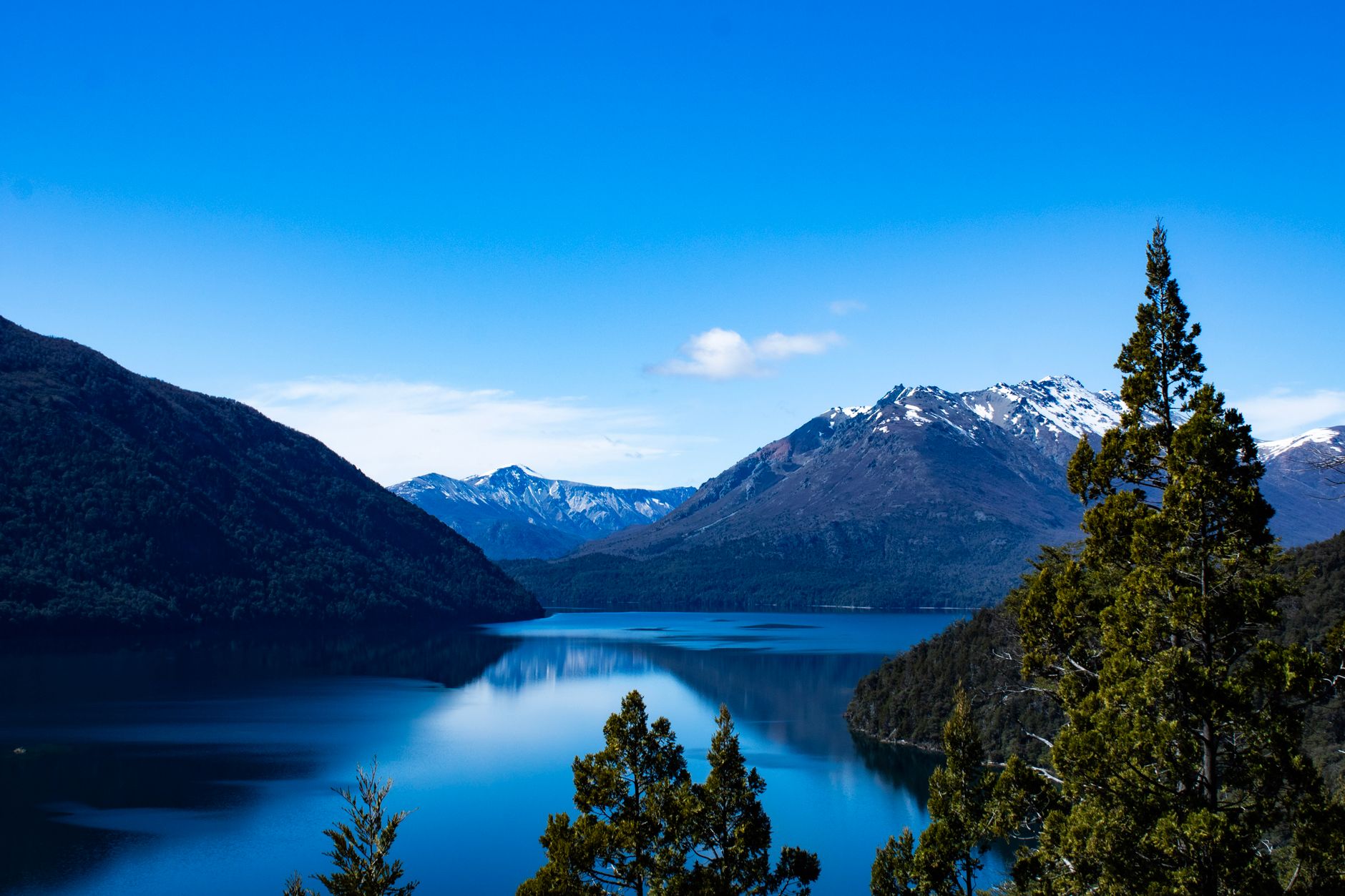
Traveling to Patagonia from Buenos Aires can seem daunting, but with the right planning, it can be a straightforward and enjoyable experience. Known for its stunning landscapes, outdoor adventures, and unique wildlife, Patagonia attracts nature lovers and adventure seekers from around the globe. This guide will help you navigate the best ways to reach Patagonia, what to expect along the way, and tips for an unforgettable journey.
Patagonia encompasses a vast and diverse region, from the glacial peaks of the Andes to the windswept plains of the Patagonian Steppe. Whether you want to visit the famous Torres del Paine National Park in Chile or explore the Perito Moreno Glacier in Argentina, this guide provides detailed information to streamline your travel plans.
How To Get To Patagonia From Buenos Aires?
To get to Patagonia from Buenos Aires, you can choose between flying, taking a long-distance bus, or driving your own vehicle. The fastest option is to fly directly to major hubs like El Calafate or Ushuaia, with bus journeys taking considerably longer but offering scenic views along the way.
Understanding Your Options: Flights, Buses, and Driving
Flying to Patagonia
Flying is the most efficient way to reach Patagonia from Buenos Aires. There are several airlines that offer daily flights to key destinations in Patagonia, including El Calafate, Ushuaia, and Bariloche. Flight times typically range from 3 to 4 hours depending on your destination.
- Key Airports:
- El Calafate (FTE): Gateway to Los Glaciares National Park.
- Ushuaia (USH): The southernmost city in the world, ideal for exploring Tierra del Fuego.
- Bariloche (BRC): Hub for skiing and the beautiful Lake District.
-
Major Airlines:
- Aerolineas Argentinas
- LATAM Airlines
- Flybondi (budget option)
It is advisable to book your flights in advance, especially during peak tourist seasons (December to February) when prices can increase significantly.
Taking the Bus
If you’re looking for a more economical option and want to see the sights along the way, taking a long-distance bus can be a great choice. While bus travel can be time-consuming, it offers a unique perspective of the Argentinian landscape.
- Bus Companies:
- Andesmar
- CATA
- Via Bariloche
-
Key Routes:
- Buenos Aires to El Calafate
- Buenos Aires to Ushuaia via Río Grande
- Buenos Aires to Bariloche
The bus journey from Buenos Aires to El Calafate takes approximately 36-48 hours, depending on the service and route chosen. Overnight buses are equipped with reclining seats, making the long-haul trip relatively comfortable.
Driving to Patagonia
Driving from Buenos Aires to Patagonia offers a level of freedom and flexibility unmatched by other travel methods. However, the distances are vast, and adequate preparation is essential.
- Routes:
- Buenos Aires to El Calafate via Route 3.
- Buenos Aires to Ushuaia via Route 3 and Route J.
- Estimated Driving Times:
- Buenos Aires to El Calafate: Approximately 40-48 hours.
- Buenos Aires to Ushuaia: Approximately 51-60 hours.
Be sure to have a reliable map or GPS device, as some areas may have limited connectivity. Gasoline stations can be sparse in remote areas, so plan refueling stops accordingly.
Choosing Your Destination in Patagonia
Patagonia spans two countries and offers a variety of experiences. Consider your interests and the activities you wish to pursue when selecting your destination.
Top Destinations in Argentine Patagonia
- El Calafate: Home to the stunning Perito Moreno Glacier and a hub for glacier trekking and tours.
- Bariloche: Known for its picturesque lakes, chocolate shops, and winter sports.
- El Chaltén: A hiking paradise, perfect for outdoor enthusiasts looking to explore Mount Fitz Roy.
Top Destinations in Chilean Patagonia
- Torres del Paine National Park: Iconic for its breathtaking mountains and diverse wildlife.
- Puerto Natales: A charming town that acts as the gateway to Torres del Paine.
- Puerto Williams: Considered the southernmost town in the world, offering unique adventures.
When To Visit Patagonia
The best time to visit Patagonia depends on what you wish to experience. The summer months from December to February offer the warmest temperatures and longest daylight hours but may also bring more tourists. Spring (September to November) and autumn (March to May) provide fewer crowds and beautiful landscapes.
Weather Considerations
The weather in Patagonia is notoriously unpredictable. It is essential to prepare for rapidly changing conditions, particularly if you plan to hike or engage in outdoor activities.
- Summer: Average temperatures range from 60°F to 75°F (15°C to 24°C); bring layers and waterproof gear.
- Winter: Average temperatures range from 30°F to 50°F (-1°C to 10°C); pack warm clothing suitable for freezing conditions.
Length of Stay and Suggested Itinerary
A realistic visit to Patagonia typically spans 7 to 10 days, allowing enough time to explore key attractions without feeling rushed. Below is a sample 10-day itinerary:
- Day 1: Fly to El Calafate and explore the town.
- Day 2: Visit Perito Moreno Glacier with a day tour.
- Day 3: Travel by bus or self-drive to El Chaltén.
- Day 4: Hike to Laguna de los Tres for iconic views of Mount Fitz Roy.
- Day 5: Hike to Cerro Torre or explore additional trails.
- Day 6: Return to El Calafate and take a flight to Ushuaia.
- Day 7: Explore Ushuaia, visit the Maritime Museum, or go to the End of the World Train.
- Day 8: Take a boat tour through the Beagle Channel.
- Day 9: Visit Tierra del Fuego National Park.
- Day 10: Fly back to Buenos Aires.
Bussing and Accommodation Options
Budget considerations in Patagonia can vary significantly based on travel style and accommodation choices. Many travelers consider campsites, hostels, and budget lodges as cost-effective alternatives to hotels.
Accommodation Types
- Hostels: Often have dormitory-type sleeping arrangements and are popular among backpackers.
- Hotels: Range from budget to luxury, with varying amenities.
- Campsites: Many national parks offer campsites for a closer experience with nature.
It’s advisable to book accommodations ahead of time, particularly during the high season when demand spikes. Check user reviews, especially for remote areas, to ensure the quality of your stay.
Food and Drink in Patagonia
Patagonians enjoy rich culinary traditions characterized by local ingredients. While options are often limited in remote areas, numerous restaurants in larger towns provide a taste of regional flavors.
Popular Food Items
- Asado: Traditional Argentine barbecue, featuring various meats.
- Patagonian lamb: Known for its unique taste, often slow-cooked to perfection.
- Empanadas: Savory pastries filled with meat, cheese, or vegetables.
Don’t miss the chance to try some of the local beers or wines, as both regions produce unique varieties that reflect their respective climates and traditions.
Practical Travel Tips
Here are a few essential tips to consider when traveling to Patagonia:
- Pack Wisely: Bring versatile clothing suitable for both warm and cold weather, including waterproof layers.
- Plan for Connectivity: Cell phone signal can be unreliable in remote areas; consider downloading maps and travel apps prior to your trip.
- Be Prepared for the Weather: Always check the local forecast and adjust your plans as necessary.
- Cash is King: Carry cash as many places, especially in remote areas, may not accept credit cards.
Safety Considerations
Patagonia is generally considered safe for tourists, but like any destination, it’s important to stay vigilant. Here are a few guidelines:
- Always Inform Someone: Let someone know your itinerary, especially if hiking or camping in remote areas.
- Follow Local Guidelines: Respect the environment and wildlife; adhere strictly to park rules.
- Stay Hydrated: Particularly when engaging in outdoor activities, to avoid altitude sickness.
When hiking, ensure you have a map and your phone charged in case of emergencies. It’s also wise to carry a First-Aid kit.
Conclusion
Traveling to Patagonia from Buenos Aires can be a seamless adventure when planned with care. Whether you opt for the convenience of flying, the experience of a long bus ride, or the freedom of driving, the journey promises remarkable landscapes and unforgettable experiences. By knowing your options and preparing accordingly, you’re well on your way to exploring this breathtaking part of the world.
For more travel planning and destination guides, explore our articles on getting to La Paz, Mexico and traveling to Palawan.