
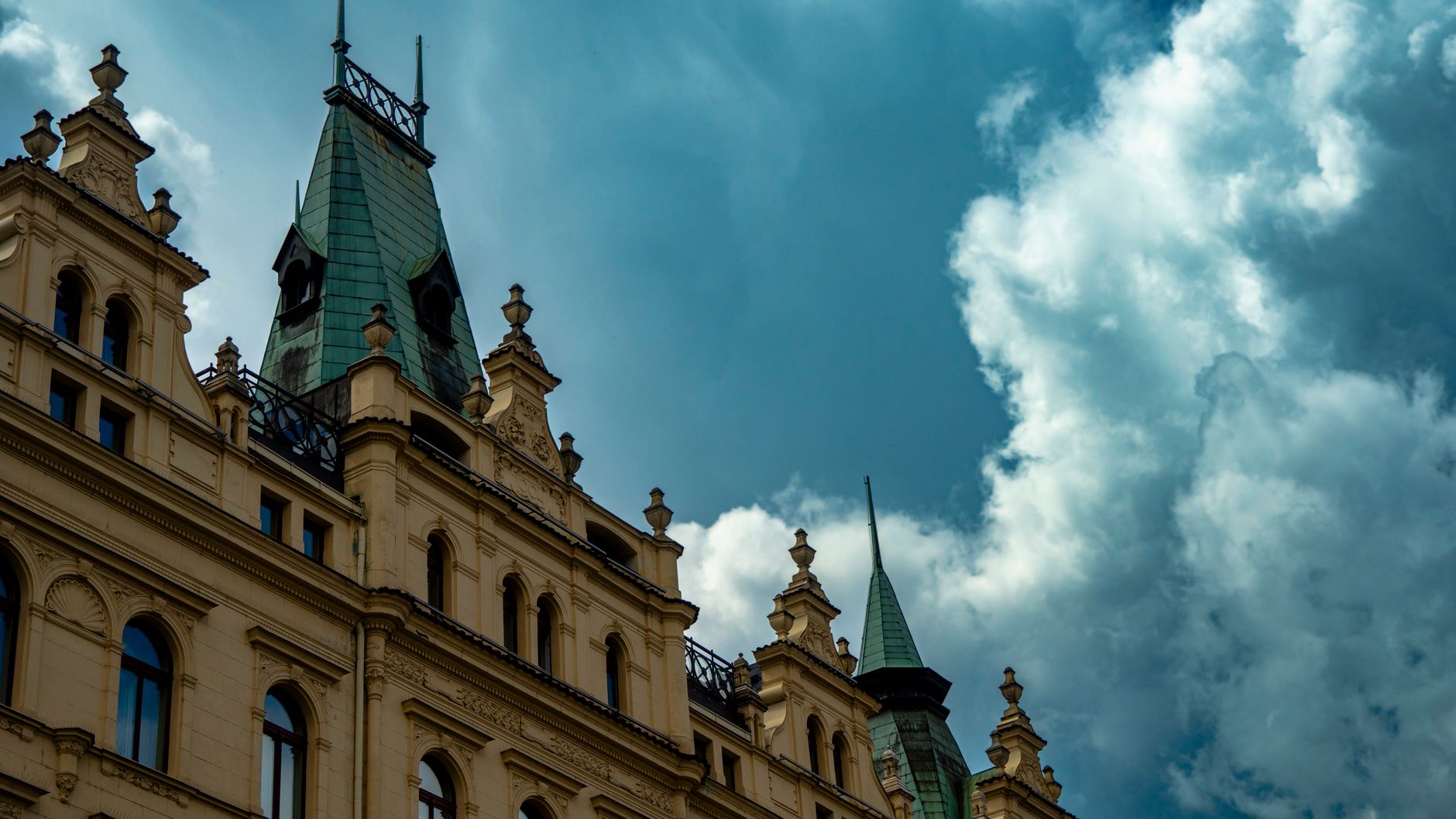
Lima, Peru’s capital, is a vibrant city that blends history and modernity, making it a unique destination worth exploring. It is renowned for its rich culinary scene, lively cultural atmosphere, and impressive historical architecture.
As a gateway to Peru’s many attractions, Lima offers travelers an exciting mix of experiences that cater to food enthusiasts, history buffs, and adventure seekers alike. Discover what makes this city special and why it deserves a place on your travel itinerary.
What Is Lima Peru Known For?
Lima is famous for its culinary excellence, beautiful colonial architecture, diverse cultural scene, and as a starting point for exploration of Peru’s archaeological sites and natural wonders. Many visitors come for the food, while others are drawn to its rich history and vibrant local life.
The Culinary Capital of Latin America
One of Lima’s most notable claims to fame is its status as a top culinary destination. The city boasts numerous world-class restaurants and has been recognized as the gastronomic capital of Latin America.
Iconic Peruvian Dishes
The Peruvian cuisine is a tapestry of flavors, influenced by indigenous, Spanish, African, and Asian cultures. Key dishes to try include:
- Ceviche: Fresh raw fish marinated in lime juice and served with onions and chili peppers.
- Pollo a la Brasa: Rotisserie chicken seasoned with unique spices, usually accompanied by fries.
- Lomo Saltado: Stir-fried beef with onions and tomatoes, often served with rice and fries.
- Aji de Gallina: A creamy chicken stew made with aji amarillo peppers, nuts, and cheese.
- Alfajores: Sweet cookies filled with dulce de leche, a popular dessert treat.
Top Restaurants to Visit
While in Lima, consider dining at some of the renowned restaurants that have put the city on the culinary map:
- Central: Known for its innovative approach to Peruvian ingredients, featuring dishes that highlight products from various altitudes in Peru.
- Maido: A two-Michelin-star restaurant offering a unique fusion of Japanese and Peruvian cuisines.
- Osso: Celebrated for its focus on high-quality meats and charcuterie.
- Panchita: Specializes in traditional Peruvian dishes that emphasize local ingredients.
Historical Attractions
Lima is steeped in history, with buildings and sites that showcase its colonial past. Exploring these attractions can provide insight into the city’s rich heritage.
The Historic Center of Lima
The UNESCO World Heritage-listed Historic Center features numerous colonial-era buildings, many of which are well-preserved. Key sites include:
- Plaza Mayor: The main square of Lima, surrounded by the Government Palace, Cathedral of Lima, and Archbishop’s Palace.
- Cathedral of Lima: A stunning example of Renaissance architecture, this cathedral houses various religious artifacts.
- Government Palace: The seat of the Peruvian government, known for its changing of the guard ceremony.
Monasterio de San Francisco
This monastery features a fascinating mix of Baroque and Moorish architecture, with a library containing thousands of historic texts. Don’t miss the catacombs beneath the monastery, which are both eerie and historically significant.
The Larco Museum
Located in a stunning 18th-century vice-royal building, the Larco Museum holds an extensive collection of pre-Columbian art. The museum offers excellent context on Peru’s ancient civilizations.
Exciting Cultural Experiences
Lima is not just about food and history; it also has a vibrant cultural scene reflected in its music, dance, art, and festivals.
Crillón de Lima
This famous traditional Peruvian dance showcases rich cultural history. Attend a performance to witness colorful costumes and lively music.
Local Markets
Visiting local markets is a great way to experience everyday life in Lima. Mercado de Surquillo and Mercado Central offer a wide array of fresh produce, local crafts, and regional delicacies.
Art and Museums
Lima has a dynamic art scene, with numerous galleries and museums, such as:
- Museo de Arte de Lima (MALI): Offers exhibitions of both contemporary and historical Peruvian art.
- Museo Pedro de Osma: Focuses on colonial art and showcases works from the 16th to the 19th centuries.
Neighborhoods to Explore
Lima comprises diverse neighborhoods, each with its own unique characteristics. Exploring these areas can offer a taste of local life.
Miraflores
This upscale district is known for its stunning cliffside views of the Pacific Ocean, parks, and shopping areas. The Costa Verde beachfront area is perfect for outdoor activities.
Barranco
A bohemian neighborhood filled with colorful street art, galleries, and live music venues. The Barranco Bridge and the vibrant nightlife are major draws.
San Isidro
San Isidro is Lima’s financial district but also boasts beautiful parks and historic sites such as the Huaca Huallamarca, an ancient pyramid.
Beaches and Outdoor Activities
Lima’s coastal location means that there are plenty of opportunities for outdoor activities, particularly at its beaches.
Beaches
Popular beaches near Lima include:
- Playa Punta Sal: Known for its golden sands and surfing opportunities.
- Playa Waikiki: A hotspot for surfers and sunbathers alike.
Outdoor Activities
Apart from beach outings, visitors can enjoy various activities:
- Paragliding in Miraflores: Experience breathtaking views of the coast.
- Cycling: Explore the coastal path that runs along the cliffs.
Transportation in Lima
Getting around Lima can be straightforward if you know your options. The city offers many transportation modes that cater to different budgets.
Public Transportation
Lima has an extensive public transportation system, including buses, the Metro, and taxis. Consider the following options:
- Buses: An economical option, though routes can be confusing for tourists.
- Metro: Currently, there is one main line that connects several districts and is efficient for avoiding traffic.
Taxis and Rideshares
For a more convenient option, consider using rideshare services like Uber or local taxi apps. Always ensure you book through official channels for safety.
When to Visit Lima
The best time to visit Lima is during the summer months (December to March). This period offers warmer temperatures, perfect for beach outings and outdoor activities.
Seasonal Considerations
However, Lima experiences a humid climate during these months, and it’s also worth noting that the winter (June to September) can bring cooler temperatures and overcast skies. Plan your visit according to your preferences for weather and activities.
Accommodation Options
Lima offers a range of accommodations to suit all budgets, from luxurious hotels to budget-friendly hostels. Here are some suggestions based on different areas:
Luxury Accommodations in Miraflores
- Belmond Miraflores Park: A top luxury hotel with exquisite ocean views.
- JW Marriott Hotel Lima: Features modern rooms and excellent dining options.
Mid-range Options
- Hotel Estelar Miraflores: A comfortable hotel in a prime location.
- La Hacienda Lima: Offers modern amenities at a reasonable price.
Hostels and Budget Stays
- Hostal La Casa del Lector: A friendly hostel suitable for budget travelers.
- Selina Barranco: A popular hostel with a laid-back atmosphere.
Practical Tips for Travelers
To make the most of your visit to Lima, consider these practical tips:
- Language: While Spanish is the main language, many people in the hospitality sector speak English.
- Currency: The local currency is the Peruvian Sol (PEN). It’s advisable to carry some cash for small purchases.
- Safety: Lima is generally safe, but like any large city, exercise common sense by avoiding poorly lit areas at night and keeping valuables out of sight.
- Health: No specific vaccinations are usually required, but it is always good to check with health officials before traveling.
Suggested Length of Stay
A three to five-day stay in Lima is usually sufficient to experience the key attractions and enjoy some culinary highlights. This timeframe allows you to savor seasonal dishes and explore both tourist spots and local neighborhoods.
In summary, Lima is a dynamic city known for its culinary scene, historical attractions, and diverse culture. With enjoyable experiences for every type of traveler, it stands out as a must-visit destination in Peru. Make sure to explore its unique neighborhoods, try the local cuisine, and immerse yourself in the vibrant local culture.
To enhance your travels even further, consider exploring related destination guides and travel-planning articles, including where to stay in Cusco and what Martha’s Vineyard is famous for.