
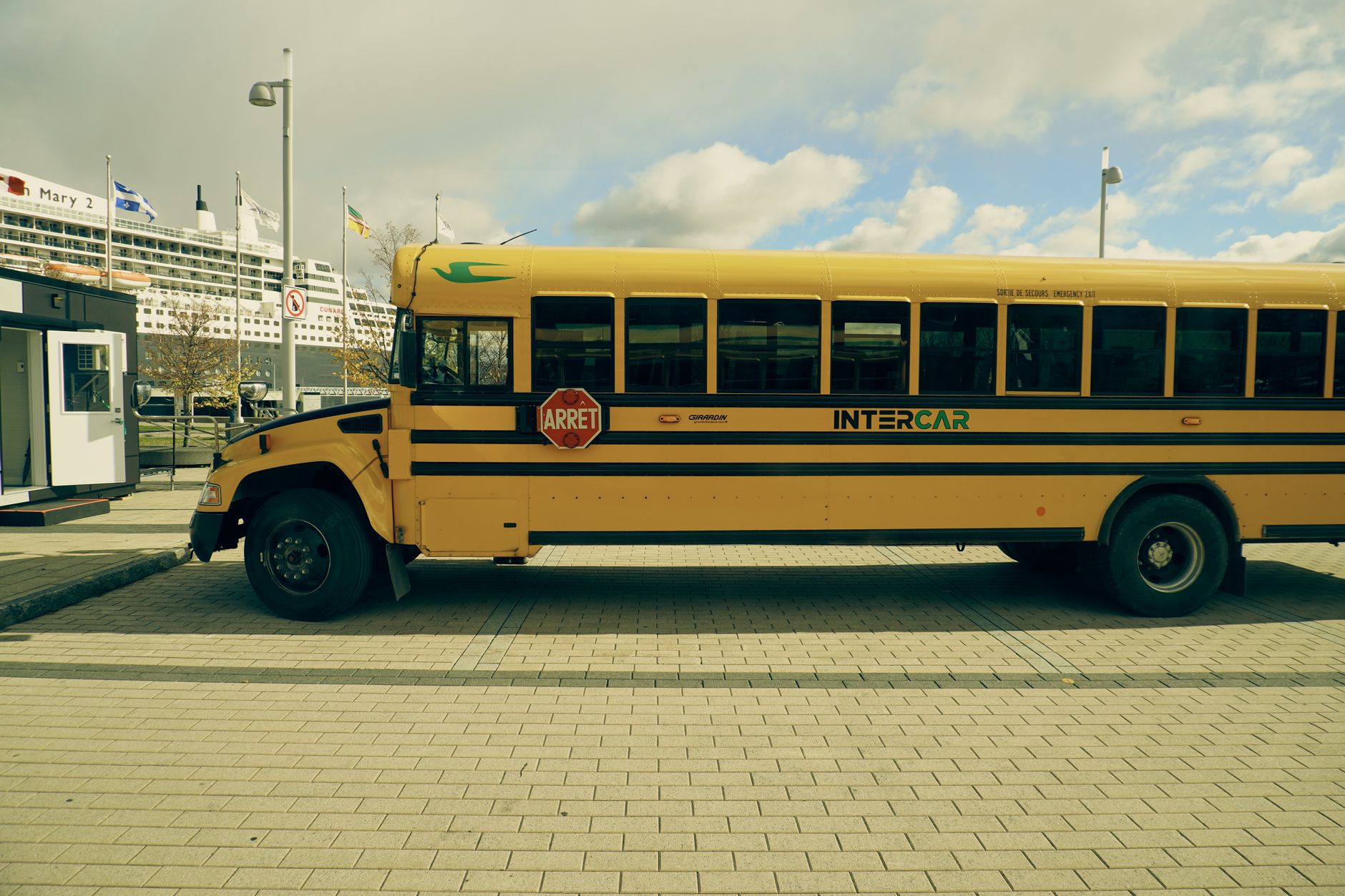
When planning group outings or transportation for events, understanding the capacity of a school bus is essential. Not only does it help in organizing the number of seats needed, but it also ensures a comfortable ride for everyone involved. This article will uncover the standard capacity of school buses, explore their dimensions, and discuss various factors that can affect passenger numbers.
Knowing how many people a school bus can hold may vary based on the type of bus and seating configuration. Whether you’re renting a bus for a family reunion, a field trip for school kids, or organizing a larger event, this guide aims to provide you with valuable insights into the seating capacity and useful considerations for your planning.
How Many People Does A School Bus Hold?
A standard school bus typically holds between 40 to 72 passengers. This range can be influenced by the bus’s size, seating arrangements, and specific regulations in different regions or states. Factors such as the age of the bus and its design may also play significant roles in determining the exact capacity.
Standard School Bus Seating Capacity
Most full-sized school buses are designed to seat about 65 to 72 passengers in a two-seat configuration across standard bench seats. In contrast, smaller buses, often referred to as “mini-buses,” can accommodate around 20 to 30 passengers. Here’s a more detailed breakdown:
- Full-sized school bus: commonly holds 65 to 72 passengers
- Mini school bus: can typically seat 20 to 30 passengers
- Activity or shuttle bus: generally offers seating for 24 to 36 passengers
Types of School Buses
Understanding the variations among different types of school buses can help you determine the most suitable option for your needs.
1. Full-Sized School Buses
These are the most common type found in transportation systems. They usually measure about 35 to 45 feet in length and can have a seating configuration that allows for larger group transport efficiently. Full-sized buses typically feature a high ceiling and spacious aisles, making entry and exit convenient for larger groups.
2. Mini School Buses
These buses are smaller, usually measuring around 20 to 30 feet long, and are designed for shorter routes or smaller groups. Mini buses are ideal for special education needs or field trips that require more personalized transportation. Their lower capacity can provide a more comfortable experience for passengers.
3. Activity Buses
Often used for extracurricular activities like sports or special events, these buses are versatile and cater to variable seating capacities. Depending on their specific design, they can often accommodate more or fewer passengers than typical full-sized buses but prioritize comfort and accessibility.
Factors Affecting Capacity
When considering the capacity of a school bus, several factors can influence how many passengers can be accommodated. Here are some key considerations:
1. Seating Configuration
The layout of the seating affects how many people a bus can hold. While most standard school buses have bench seating that seats two passengers per row, some buses may have different arrangements such as single seats or larger bench styles that could affect total capacity.
2. Size and Type of Bus
Larger buses, including those that are often used as motorhomes, might have fewer seats due to the inclusion of features like bathrooms or additional amenities. In a case like this, expect a lower seating capacity.
3. Safety Regulations
Certain regulations limit the number of passengers that can be safely transported. These safety measures are crucial for ensuring the welfare of passengers, particularly children. School districts often must adhere to guidelines set by the state and local educational authorities, which may come into play during your planning phase.
4. Age of the Bus
Older school buses may have alterations in their seating due to wear and tear or even reconfigurations to suit specific needs over time. Always check the specific bus you plan on using, as modifications could change the standard passenger capacity.
Comfort and Practical Considerations
While the bus’s seating capacity provides a general idea of how many passengers it can hold, comfort is equally important. Here are some insights into ensuring a pleasant travel experience:
1. Space Considerations
Overcrowding can lead to an uncomfortable ride. If you’re transporting a large group, be mindful of leaving some seat availability to ensure everyone has enough personal space, especially on longer journeys.
2. Accessibility
If you have passengers who require additional support or mobility assistance, consider the bus’s accessibility features. Some buses come equipped with wheelchair lifts and ADA-compliant seating arrangements, which can affect total occupancy.
3. Safety Measures
It’s crucial to prioritize passenger safety. Seating belts, well-maintained interiors, and adherence to safety protocols ensure everyone’s safety during transit. Always request information regarding safety features from your bus provider.
Planning for Group Transportation
Whether you’re organizing a school event, a trip for a large family gathering, or a corporate outing, planning the transportation effectively can make a significant impact on the overall experience. Here are some essential tips for planning group transportation:
1. Know Your Numbers
Before booking your bus, have a clear headcount of how many passengers will be attending. This information is crucial for accurately determining the size of bus needed.
2. Book in Advance
To secure the best rates and guarantee availability, book your school bus as early as possible. Buses can be in high demand during certain seasons, particularly for school outings or holiday events.
3. Verify Amenities
When booking a bus, ask about any additional features such as air conditioning, bathroom facilities, or extra storage compartments for luggage or devices. These features can greatly enhance the experience, especially on long trips.
4. Understand the Costs
Get a detailed quote for the bus rental. It should include any extra charges for mileage, fuel, driver fees, or added amenities. Be transparent about your budget to avoid unexpected costs down the line.
Common Questions about School Bus Capacity
Understanding some frequently asked questions can help clarify aspects related to bus capacity. Here are a few common inquiries:
1. Can a school bus hold more than the recommended capacity?
While it may be tempting to fit in as many passengers as possible, exceeding the bus’s recommended capacity can pose safety risks and violate regulations. It’s always best to stay within the safety limits set forth by the manufacturer and regulatory authorities.
2. Are there different regulations by region?
Yes, regulations around school bus capacity can vary by state or region. Always check local laws and guidelines that pertain to your area, particularly if you are transporting children or special needs passengers.
3. What if I have a mixed-age group of passengers?
If you are transporting children alongside adults, ensure that the seating arrangements cater to everyone’s safety and comfort. Family-sized buses are often equipped to cater to a variety of passengers.
Renting a School Bus
When renting a school bus, there are several options and considerations to keep in mind. Here’s how to ensure you get the right vehicle for your needs:
1. Choose a Reputable Provider
Look for a bus rental company with established safety standards and positive reviews. A reputable company will often be flexible and willing to cater to specific needs and requests.
2. Review Rental Terms
Before signing any agreements, review the rental terms comprehensively. Ensure you understand the deposit, cancellation policy, and any other fees associated with the rental.
3. Check Vehicle Condition
On the day of the rental, do a walk-around inspection of the school bus for any visible damage or issues. Confirm that the seats, safety gear, and other functional aspects are in good condition.
Articulating Needs for Different Events
Your transportation needs may vary significantly based on the nature of the event. Here’s how to approach planning for different scenarios:
1. School Field Trips
When organizing a field trip, consider coordinating with the school district to ensure adherence to safety regulations. Provide accurate numbers and trust that school transportation departments will guide you on the best options.
2. Family Reunions or Gatherings
For larger families, renting a full-sized bus ensures that everyone can travel together. Additionally, plan for any physical accommodations needed for elderly members or those requiring assistance.
3. Corporate Events
If you’re organizing transportation for clients or employees, consider comfort and amenities. Options like Wi-Fi or power outlets may be appealing for longer travel distances.
Conclusion
Understanding how many people a school bus holds and the various factors that influence its capacity is essential for effective group transportation planning. As you prepare for your next adventure or event, remember to take into account seating configurations, comfort, safety regulations, and rental logistics.
For a deeper dive into transportation options, consider visiting how many seats are in a school bus for a clearer idea on seating arrangements, or check out how much party bus rentals cost to compare for special event transportation needs.