
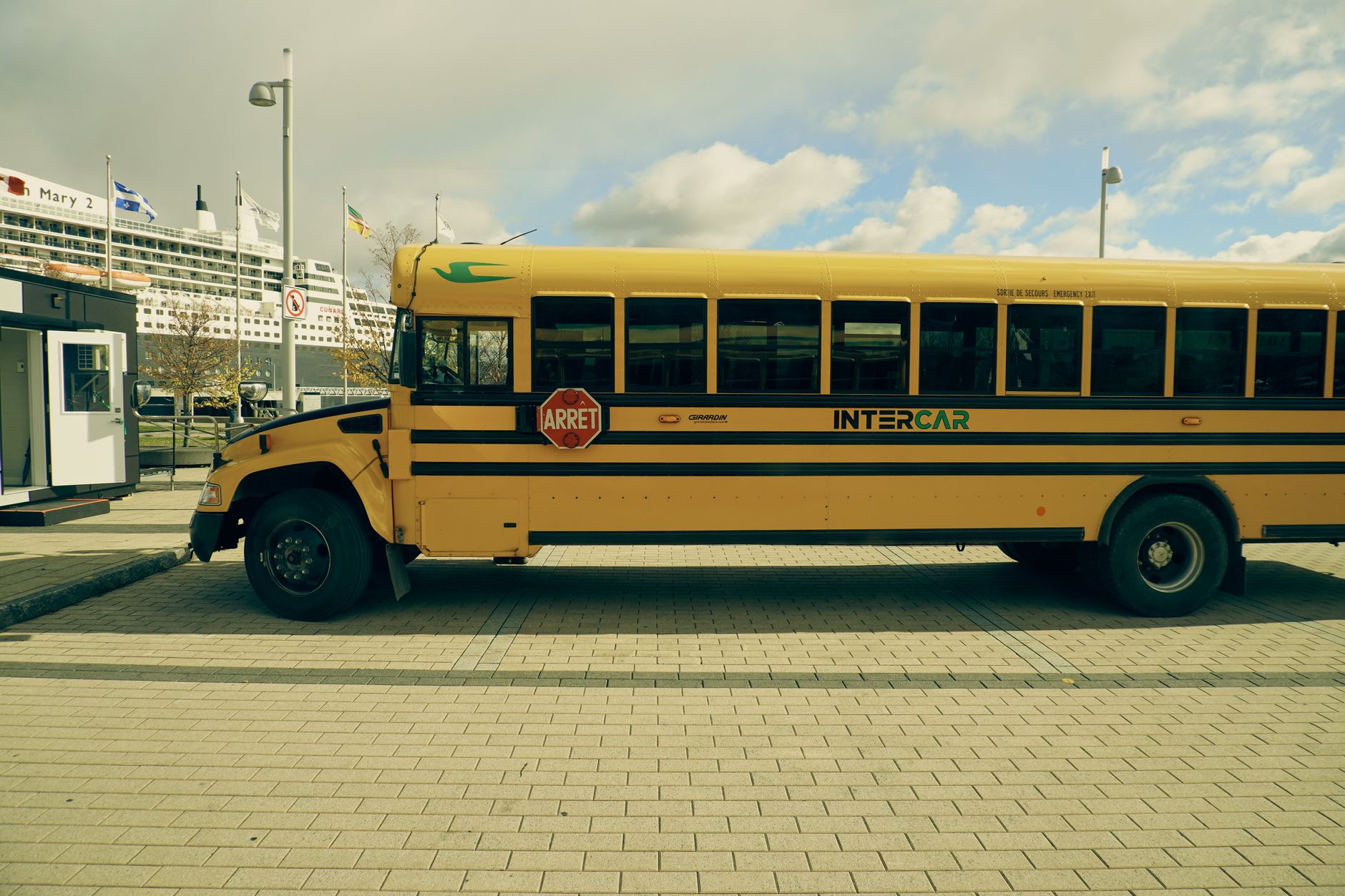
Understanding how many seats are in a school bus can greatly assist in planning group transportation, whether for field trips, sports events, or school-related functions. Seat capacity varies among different types of school buses, and knowing these details helps ensure that everyone travels comfortably and safely.
This article will explore the typical seating arrangements in school buses, the various types available, and factors to consider when organizing travel for larger groups. By the end of this guide, you will have all the necessary information to make your bus travel plans effective and efficient.
How Many Seats Are in a School Bus?
Most standard school buses have between 60 to 72 seats. The exact number of seats varies by bus model and configurations, such as the bus’s length and design. In the United States, a conventional school bus typically accommodates 72 passengers, assuming three students per seat.
In contrast, smaller school buses, which are commonly used for special education or situations requiring shorter travel distances, usually seat between 20 and 30 passengers. Understanding these variations is essential for anyone looking to effectively plan larger group travel.
Types of School Buses and Their Seating Capacities
Different types of school buses cater to varying needs, each with its own seating capacities. Here’s an overview:
1. Conventional School Bus
The conventional school bus is the most recognized model, often seen in bright yellow. They typically have:
- Seating Capacity: 60 to 72 seats
- Length: 30 to 40 feet
- Best Suited for: Longer routes, daily school commutes
2. Type A School Bus
Type A buses are smaller and often used for special needs students. They come in two categories: Type A1, with a front-end engine, and Type A2, featuring a rear-end engine.
- Seating Capacity: 20 to 40 seats
- Length: 20 to 28 feet
- Best Suited for: Shorter trips, special education transports
3. Type B School Bus
These buses are smaller than conventional buses but larger than Type A. They are often used for early childhood education or special events.
- Seating Capacity: 20 to 30 seats
- Length: 20 to 35 feet
- Best Suited for: Elementary school runs, day trips
4. Type C School Bus
This model closely resembles the conventional bus but is designed for a range of passengers and purposes.
- Seating Capacity: 60 to 72 seats
- Length: 35 to 40 feet
- Best Suited for: Larger group transportation, standard school routes
5. Type D School Bus
Also known as transit-style buses, these are often used for multiple passengers and tours.
- Seating Capacity: 70 to 90 seats
- Length: 36 to 42 feet
- Best Suited for: Large groups, field trips
Factors That Influence the Seating Capacity of School Buses
Several factors impact how many seats a particular school bus can hold:
1. Bus Size and Model
The size and design of a bus dictate its seating capacity. Standard buses are constructed to fit a predetermined number of seats based on their length and width.
2. Safety Regulations
Safety standards play a crucial role in how buses are designed. Buses are built to comply with local and national safety regulations, which influence how many seats can be installed while maintaining safety for passengers.
3. Passenger Age
Younger passengers often require more space, especially for car seats or booster seats. Thus, the seating arrangements may vary depending on the age and needs of the children traveling.
4. Configuration Options
Some buses offer flexible seating configurations, specially designed for safety or accessibility. Options like high-back seating can reduce the total capacity of available seats.
Planning Travel with a School Bus
When organizing travel for a group using a school bus, practical considerations can help facilitate a smoother experience:
1. Determining the Appropriate Bus Size
Before booking, calculate the total number of passengers, considering adults, guardians, and children. Assess whether a conventional school bus suffices or if a larger model is warranted.
2. Booking Time
Early booking is paramount to ensure availability, especially during peak school trip seasons in the spring and fall. Secure your reservation a few months in advance.
3. Accommodations for Special Needs
Be aware of any special requirements for guests, including mobility issues or dietary needs. Ensure the bus is outfitted with the necessary accessibility features.
4. Understanding Safety Protocols
Familiarize yourself with the established safety procedures for boarding and disembarking. Establish a system for headcounts to ensure all passengers are accounted for.
5. Luggage Capacity
Understand the storage capacity of the bus for any equipment, backpacks, or luggage. This awareness ensures that the group can travel without the risk of leaving anything behind.
Average Costs and Budgeting for School Bus Rentals
It’s essential to budget properly when planning to rent a school bus. Estimated costs can vary widely based on service providers, duration, and requirements:
1. Rental Rates
Generally, bus rental rates operate on an hourly basis or a flat fee for a full day. Rates can vary; ensure to check with multiple companies.
2. Additional Costs
Be cognizant of potential additional costs such as:
- Fuel surcharges
- Tolls or parking fees
- Driver gratuity
3. Group Discounts
Many companies offer discounts for larger groups or extended rentals. Always inquire about possible savings.
When to Use a School Bus
School buses are suitable for various events and trips:
1. Field Trips
Taking students to museums, science centers, or parks is where school buses excel, offering a safe and secured environment for young travelers.
2. Sports Events
Whether for inter-school competitions or regional tournaments, school buses are ideal for transporting teams and their equipment.
3. Extracurricular Activities
Clubs often organize off-campus activities that require transportation; a school bus simplifies logistics for parent volunteers.
4. Community Events
Parades, fairs, or other gatherings benefit from utilizing school buses provided by local education authorities or transport services.
Safety Considerations for School Bus Travel
To create a safe experience for all passengers during school bus travel, consider the following:
1. Seat Belts and Safety Features
Many buses are equipped with high-backed seats and proper restraining devices. Always check for updated safety features before travel.
2. Training and Background Checks
Ensure the driver has the necessary training and background checks conforming to local regulations, ensuring a safe ride.
3. Emergency Protocols
Review safety protocols and emergency evacuation plans with all travelers before embarking on the journey.
Accessibility on School Buses
Transportation services should consider accessibility options when planning travel for individuals with disabilities:
1. Wheelchair Accessibility
Many modern buses come equipped with wheelchair lifts or ramps, making transport easier for all students.
2. Service Animal Accommodations
Establish pet policies early on, particularly for service animals accompanying individuals with disabilities.
3. Reserved Seating
Designate specific areas on the bus for easily accessible seating to accommodate individuals with different needs.
Other Alternatives to School Bus Transportation
In certain circumstances, other transportation options may be preferable:
1. Charter Buses
For longer trips or more flexible schedules, charter buses may offer more amenities and comfort. They generally have restroom facilities and can seat larger groups.
2. Public Transportation
In urban areas, public systems or metro lines might provide efficient transportation options. Check routes beforehand.
3. Ride-Sharing Options
For smaller groups, using ride-share services can be more economical and flexible, especially if digital payment systems simplify transactions.
Tips for a Successful School Bus Journey
To ensure everything runs smoothly, follow these practical tips:
- Plan a clear itinerary and share it with all travelers.
- Communicate effectively with the bus company regarding special requirements.
- Conduct pre-trip safety meetings discussing rules and emergency procedures with passengers.
- Encourage students to bring items to keep entertained during longer journeys.
- Maintain flexibility—unexpected changes can happen on the road.
Understanding how many seats are in a school bus and the factors influencing seat arrangements is crucial for organizing group trips effectively. With this knowledge, you can create a seamless travel experience, ensuring that everyone arrives at their destination safely and comfortably.
Explore more travel-planning content like how to get a CDL with sleep apnea or discover the most dangerous road in America to enhance your travel knowledge and journey planning.