
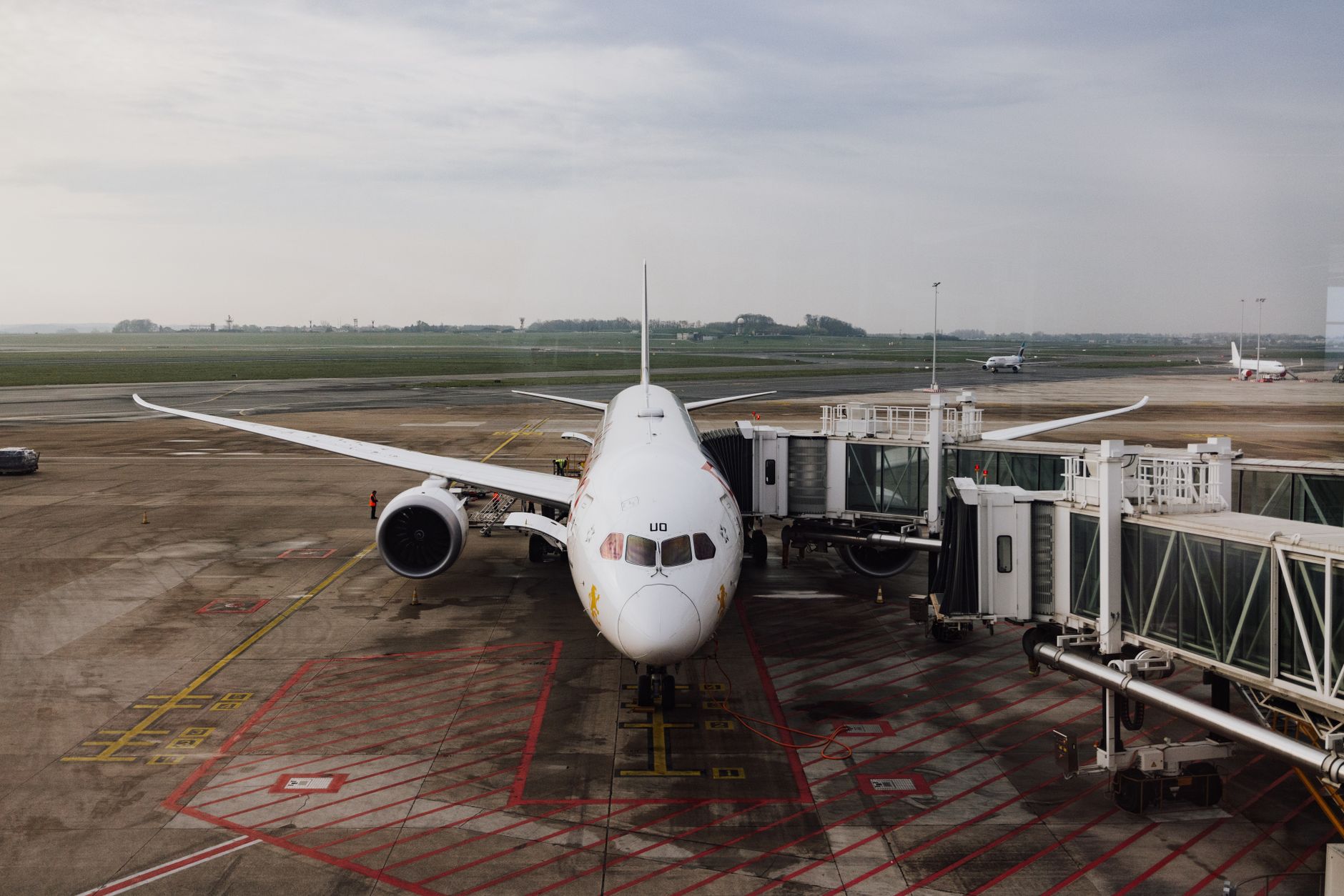
Aer Lingus, the flag carrier of Ireland, is known for its excellent service and streamlined boarding process. Whether flying domestically or internationally, understanding how Aer Lingus boards can significantly enhance your travel experience. This article breaks down the boarding process, tips, and what to expect to ensure a smooth journey.
From check-in to the moment you step onto the aircraft, there’s much to consider. This guide will help you navigate the boarding process, clarify boarding groups, and provide information on what to do in case of delays or special circumstances.
How Does Aer Lingus Board?
Aer Lingus boards its flights in an organized manner to ensure a quick and efficient transition from the terminal to the aircraft. Typically, boarding starts around 30 to 45 minutes before the scheduled departure time, depending on the flight and airport.
The Boarding Process Overview
The boarding process for Aer Lingus involves several key steps, beginning with check-in and continuing until you are seated on the plane.
1. Check-In
Passengers can check in online via the Aer Lingus website or mobile app up to 30 hours before departure. Online check-in is highly recommended to avoid airport queues. After check-in, passengers will receive a boarding pass, either digitally or in print.
2. Arriving at the Airport
It is advisable to arrive at the airport at least two hours prior to your flight for short-haul and three hours for long-haul flights. This allows enough time for security checks and any unforeseen delays.
3. Security and Boarding Gate
Once through security, check the airport displays for your boarding gate. The gate number may change, so keep an eye on the screens for updates. Aer Lingus usually provides information through their app as well.
4. Boarding Groups
Aer Lingus utilizes a boarding group system to manage the flow of passengers. Group assignments are typically printed on boarding passes and include:
- Priority boarding
- Business Class
- Family boarding
- Economy Class (A to Z)
Priority boarding usually includes passengers needing assistance, families with young children, and those traveling in Business Class. Following priority boarding, Economy Class passengers board in groups according to their assigned numbers.
5. Boarding Process
When the boarding announcement is made, passengers are encouraged to line up according to their boarding groups. Aer Lingus staff will assist with the boarding process, ensuring a smooth transition onto the aircraft.
6. Entering the Aircraft
Upon entering the aircraft, you will be greeted by the cabin crew. Be prepared to show your boarding pass and identification. Once on board, find your seat and store your carry-on luggage in the overhead compartments or under the seat in front of you.
What to Expect During Boarding
While every boarding experience may differ slightly, there are common elements you can expect.
Seating and Luggage
Aer Lingus has specific policies regarding seating and luggage. It’s important to pay attention to your boarding pass as it indicates your designated seat. Carry-on luggage dimensions and weight restrictions should also be adhered to, ensuring a seamless boarding experience.
- Max carry-on size: 55 x 40 x 24 cm
- Weight allowance: 10 kg (22 lbs)
Special Assistance Passengers
If you’re traveling with special needs or require assistance, Aer Lingus provides options for priority boarding. It’s vital to inform the airline in advance of any specific requirements to ensure appropriate support is available.
Delays and Last-Minute Changes
Flight delays may occasionally change the boarding process. Stay alert for announcements regarding any alterations in gate assignments or boarding procedures. Utilize the Aer Lingus app for real-time updates.
Tips for Smooth Boarding
To have an easy boarding experience with Aer Lingus, consider these practical tips:
- Check-in online and print your boarding pass or download it on your mobile device.
- Arrive early to avoid last-minute stress.
- Keep your boarding pass and ID accessible during boarding.
- Follow instructions from staff and signage at the airport.
- Be aware of your boarding group and listen for announcements.
Accessibility Considerations
Aer Lingus is committed to making travel accessible for all. Services for passengers with reduced mobility can include wheelchair assistance and priority boarding. It’s advisable to notify the airline ahead of time for a seamless experience.
Families with Children
Families flying with children often face unique challenges. Aer Lingus offers family boarding, allowing you to board with your family group. Activities and amenities are available for children to keep them engaged during the flight.
Frequent Flyer and Special Programs
Aer Lingus offers a loyalty program known as AerClub. Members enjoy priority boarding as part of their benefits, making travel more efficient. Additionally, business travelers may find the Aer Lingus Business Class experience particularly rewarding.
Frequent Flyer Benefits
Enrolling in the AerClub allows travelers to earn points, which can be redeemed for future flights or upgrades. Frequent flyers benefit from additional perks including lounge access and premium boarding privileges.
Boarding on International Flights
When flying internationally, check-in and boarding procedures may differ slightly due to customs and immigration processing. Arrive earlier and verify requirements for additional security checks.
Passport and Visa Requirements
Ensure all documents, including passports and visas (if applicable), are in order before traveling internationally. It is crucial to check with relevant authorities for entry requirements based on your destination.
Conclusion
Aer Lingus boarding is a structured process designed to facilitate efficient travel. Understanding when to check in, how boarding groups operate, and knowing what to expect can significantly impact your overall experience. To avoid any hassles, keep informed by checking updates and preparing in advance.
For more travel-related insights, explore our guides on boarding procedures and liquid restrictions on planes to improve your journey even further.