
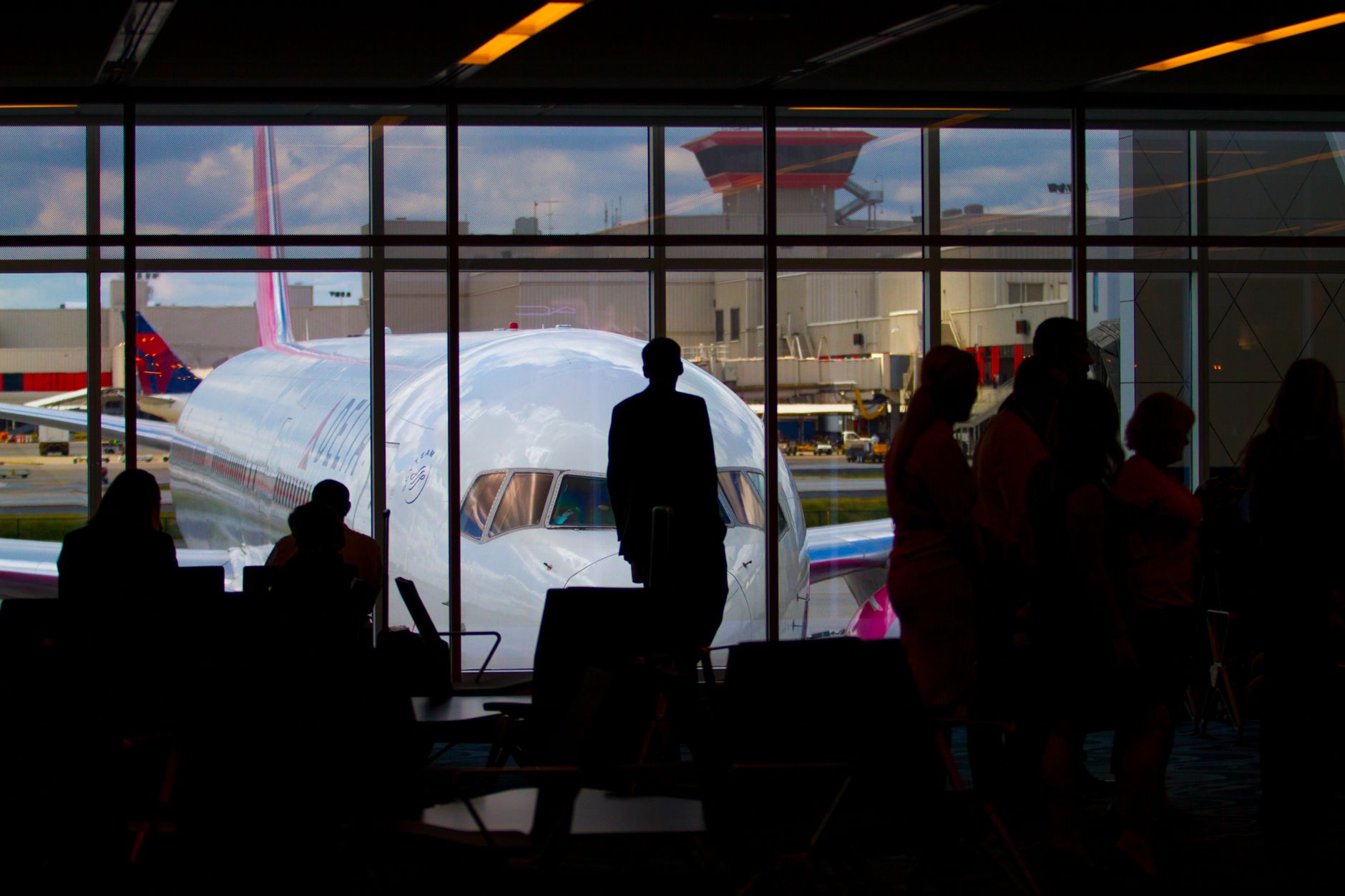
Understanding when boarding starts before a flight is crucial for travelers to ensure a smooth experience at the airport. Regardless of whether you are a frequent flyer or a first-time traveler, knowing the boarding process helps you manage your time effectively and minimizes the risk of missing your flight.
Airlines typically begin boarding anywhere from 30 minutes to an hour before a flight’s departure, but this time can vary depending on the airline, the size of the aircraft, and the airport. This article will explore the nuances of the boarding process, factors influencing boarding times, and practical tips to ensure you are well-prepared for your journey.
When Does Boarding Start Before A Flight?
Boarding for a flight usually begins 30 to 60 minutes before the scheduled departure time. However, airlines may have different policies and practices, so it is best to consult your airline’s specific guidelines ahead of your travel date.
Many airlines post boarding times on the boarding pass and airport display screens. Sometimes, announcements are made in the terminal prior to the boarding process to keep passengers informed. Always arrive at the airport with ample time to check in and go through security, as delays can happen.
Why Boarding Times Vary
Several factors can influence when boarding starts for a flight. Understanding these can help you adapt your plans accordingly:
- Airline Policies: Different airlines have unique boarding processes, affecting when passengers are allowed to board. Some may board by groups or sections of the plane, while others utilize a more straightforward system.
- Aircraft Size: The size and layout of the aircraft also dictate the boarding time. Larger aircraft with more seats and multiple aisles may take longer to board compared to smaller regional jets.
- Passenger Volume: Flights with more passengers may require a longer boarding time compared to those with fewer travelers, as each passenger takes time to settle in.
- Airport Efficiency: The efficiency of the airport and its staff also matters. Some airports have challenges with crowd management and security checks, which can affect how smoothly the boarding process goes.
Understanding Boarding Groups
Many airlines use a boarding group system to streamline the process. Boarding groups allow passengers to board the plane in a structured manner, reducing congestion in the aisles and helping each traveler find their seat. Here are some common boarding practices:
Common Boarding Methods
- Zone Boarding: Passengers board the aircraft in predetermined zones. The boarding process starts with Zone 1, typically consisting of first-class and elite members, followed by additional zones.
- Rear-to-Front Boarding: Passengers seated in the back of the plane board first to limit congestion in the aisles.
- Window- Middle- Aisle: This method encourages window seat passengers to board first, followed by middle and aisle seat passengers, leading to a smoother process.
- Family and Special Needs Boarding: Many airlines allow families with young children or travelers needing assistance to board earlier for convenience.
Practical Tips for Boarding
Being prepared for the boarding process will make your travel experience more pleasant. Here are some practical tips for efficient boarding:
- Check Your Boarding Pass: Always verify your boarding time on your boarding pass. This information will guide your arrival time at the boarding gate.
- Arrive Early: Arriving at the airport early allows you to check in, pass through security, and reach the gate without rushing. A good rule of thumb is to arrive at least two hours before a domestic flight and three hours for international flights.
- Listen for Announcements: Stay alert for any boarding announcements as they can contain essential information about delays or changes to the boarding process.
- Know Your Gate: Be aware of your gate number and any potential changes. Airports can be large, so familiarizing yourself with your surroundings is beneficial.
- Limit Carry-On Items: Having fewer carry-on items can make the boarding process quicker. You’re less likely to hold up passengers behind you while stowing your luggage.
What Happens if You Miss Boarding?
Missing the boarding call can be stressful, but knowing what to do can help alleviate your anxiety. Here are steps to follow:
- Contact Airline Staff: If you realize you’re running late, immediately approach an airline staff member at the gate for assistance. They might be able to help find accommodations.
- Check for Next Flights: If you miss your flight, contact your airline to inquire about the next available flights to your destination. Depending on the airline and your ticket type, you may incur additional fees.
- Understand the Policies: Familiarize yourself with your airline’s missed boarding policies to know your rights and options.
Connecting Flights and Boarding
If you have a connecting flight, boarding for each segment may occur during different windows. Here’s what you should know:
- Check Connection Time: Review your airline’s guidelines on minimum connection times at the airport to ensure you have enough time to board your next flight.
- Monitor Flight Updates: Be vigilant about any updates on your connecting flights, as they can shift due to operational reasons.
- Know the Airport Layout: Familiarize yourself with the layout of the airport for easier navigation between gates.
What to Do During the Boarding Process
Once boarding begins, it’s time to be attentive and ready. Here’s how to prepare:
- Gather Essentials: Before boarding, collect any items you may need during the flight, such as travel documents, snacks, or entertainment devices.
- Prepare Your Luggage: Ensure your carry-on bag and personal items are easily accessible to reduce congestion during the boarding process.
- Stay Aware: Listen for any boarding announcements. Be aware of your group boarding time as well as changes throughout the process.
Boarding with Children or Special Needs
Traveling with children or individuals with special needs may require extra considerations during boarding:
- Check for Priority Boarding: Many airlines allow families or those traveling with special needs to board early. Verify this policy with your airline.
- Explain to Children: If traveling with kids, explain the boarding process to them so they know what to expect, helping alleviate any potential anxiety.
- Bring Necessary Supplies: Keep necessary items, such as snacks or toys, readily accessible to help make the boarding process smoother.
Common Mistakes to Avoid
While navigating the boarding process, avoid these common mistakes:
- Ignoring Boarding Times: Always pay attention to boarding time; not knowing when to board can lead to unnecessary stress.
- Arriving Too Late: Cutting it too close may lead you to miss your boarding time. Be proactive about your arrival at the gate.
- Overpacking Carry-Ons: Having too many items can slow down the boarding process. Stick to essentials to facilitate smoother boarding.
The Bottom Line
Understanding when boarding starts before a flight is essential for a stress-free travel experience. Always check the specific guidelines for your airline and be proactive about your arrival at the airport. Remaining informed about boarding times, processes, and tips to streamline your experience will contribute to a successful journey.
For your next flight, remember to verify your boarding times, arrive at the airport early, and pay attention to gate announcements. Being well-prepared is key to making your travel experience enjoyable and efficient.
For additional information on travel procedures, explore topics like flight flexibility and cancellation after check-in to better equip yourself for future trips. Check out our article on flight flexibility on Frontier and find out what happens if you cancel a flight after checking in.