
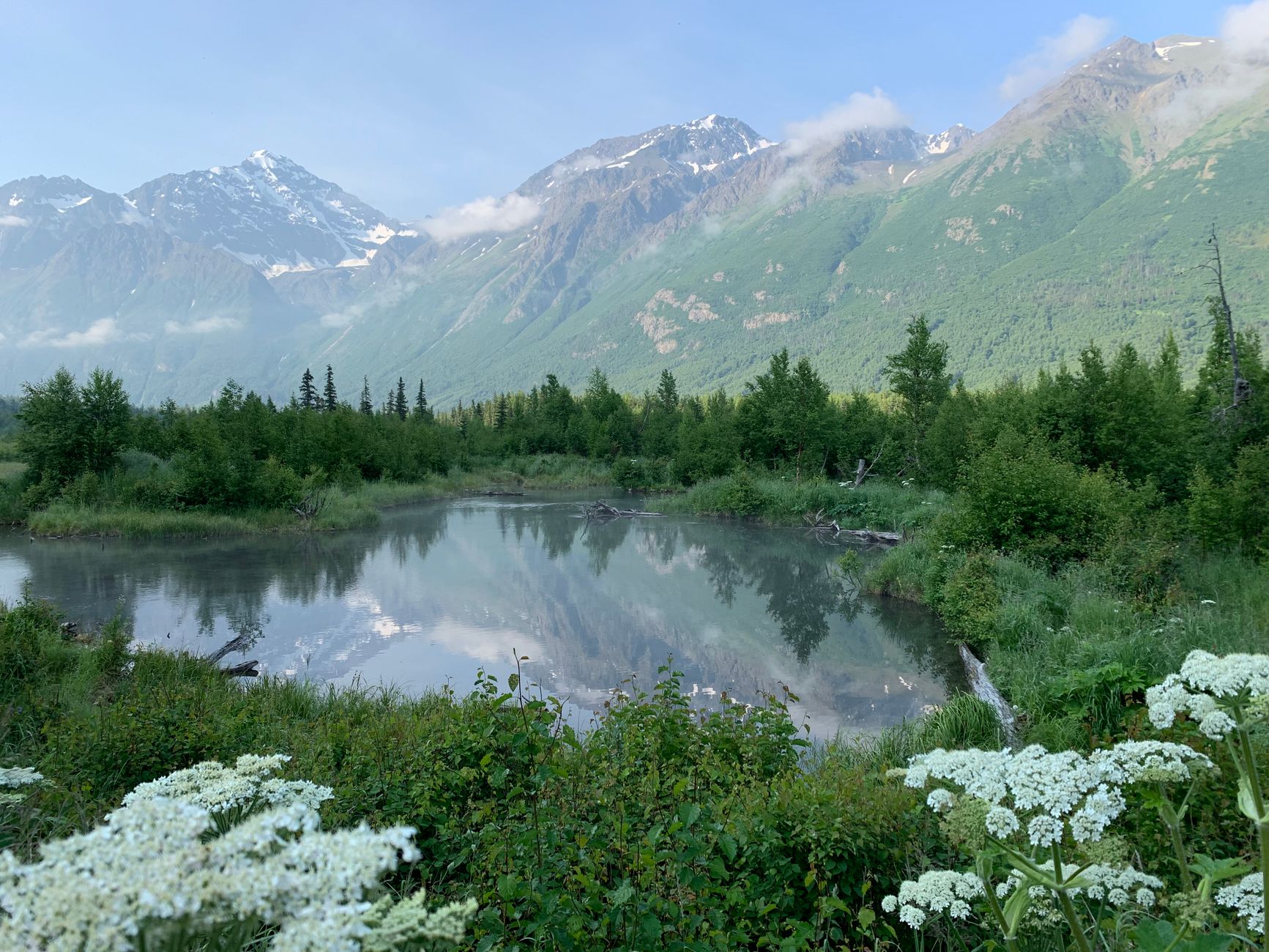
When planning a trip to Alaska, travelers often wonder about the documentation required for entry. With its vast landscapes and breathtaking natural beauty, Alaska is a destination that calls to adventurers and nature lovers alike. This article will clarify whether a passport is needed to go to this remarkable state and provide valuable travel information to help you plan your visit.
Understanding the requirements for U.S. citizens and international travelers is essential for a smooth travel experience. Although Alaska is part of the United States and you typically won’t need a passport if you’re traveling domestically, there are exceptions and special cases to consider. In addition, this guide will cover travel tips, popular destinations, and key factors to keep in mind before embarking on your Alaska adventure.
Do You Need a Passport to Go to Alaska?
No, U.S. citizens generally do not need a passport to travel to Alaska, as it is part of the United States. However, if you are coming from another country, a passport and possibly a visa may be required. Additionally, if you plan to enter Canada during your trip, you will need a valid passport to re-enter the U.S.
Traveling from the Continental U.S. to Alaska
For residents of the continental U.S., traveling to Alaska is often treated like any other domestic flight. You will typically only need to present a government-issued photo ID, such as a driver’s license. However, it’s wise to check your airline’s specific identification requirements before your trip.
Traveling from Canada to Alaska
If your route takes you through Canada, you must have a valid passport to enter and exit Canada. This could be on a road trip or certain cruise itineraries that stop in Canadian ports. In this case, you will need to ensure your travel documents are in order for a seamless border crossing.
Popular Travel Methods to Alaska
There are several ways to reach Alaska, each offering unique experiences and vistas. Below are the primary travel methods available:
Flying
The most common method to get to Alaska is by air. Major airlines offer direct flights to cities like Anchorage, Juneau, and Fairbanks from various U.S. cities. When booking flights, consider:
- Comparing prices across multiple airlines.
- Checking for direct flights to minimize travel time.
- Reviewing the baggage policy of your chosen airline to avoid extra fees.
Driving
For those who prefer a road trip, driving to Alaska can be an unforgettable adventure. The most popular route starts from the contiguous United States through Canada. Here are some things to keep in mind:
- You must provide a valid passport at border crossings.
- Plan your stops carefully, as some stretches lack amenities.
- Consider the driving conditions, particularly in winter.
Cruises
Taking a cruise to Alaska is a popular option during the summer months. Many cruises depart from ports like Seattle or Vancouver and travel through stunning waterways. Here are key points:
- Check if your cruise stops in Canada; if so, a passport is necessary.
- Book excursions in advance, as popular activities can sell out.
- Pack appropriately for onboard activities and on-land excursions.
Best Time to Visit Alaska
The ideal time to visit Alaska largely depends on the experiences you seek. Below is a seasonal breakdown to help you decide:
Summer (May to September)
Summer is the peak tourist season in Alaska. Visitors can enjoy:
- Longer daylight hours, with nearly 24 hours of sunlight in June.
- Accessible national parks and abundant wildlife.
- A variety of outdoor activities such as hiking, fishing, and kayaking.
Fall (September to November)
Fall is quieter and offers stunning foliage. Considerations for visiting during this time include:
- Fewer crowds at popular destinations.
- Opportunities to witness the Northern Lights starting in late September.
- Cooler temperatures, so pack accordingly.
Winter (December to February)
Winter brings a transformation to Alaska, making it a wonderland for winter sports enthusiasts. Factors to consider are:
- Ideal conditions for skiing, snowboarding, and dog sledding.
- Very cold temperatures, so ensure you have proper winter gear.
- Your chance to catch the spectacular Northern Lights.
Spring (March to April)
Spring marks a transition with increased activity as wildlife awakens. Key highlights include:
- Favorable conditions for early-season fishing and wildlife watching.
- Fewer tourists compared to summer, allowing for a more intimate experience.
- Moderate temperatures, making outdoor activities enjoyable.
Top Attractions in Alaska
Alaska offers an impressive array of attractions that highlight the state’s natural beauty and cultural richness. Below are top sites you won’t want to miss:
Denali National Park
Home to the highest peak in North America, Denali National Park is a haven for outdoor enthusiasts. Visitors can enjoy:
- Hiking trails ranging from beginner to advanced levels.
- Wildlife viewing opportunities for bears, moose, and wolves.
- Scenic bus tours for panoramic views of the mountains.
Glacier Bay National Park
This UNESCO World Heritage site offers breathtaking views of glaciers and diverse marine life. Must-do activities include:
- Boat tours to watch glaciers calve and spot seals and whales.
- Kayaking to explore the serene waters up close.
- Backpacking in the park’s wilderness for the more adventurous.
Anchorage
As Alaska’s largest city, Anchorage has a range of cultural and outdoor attractions. Highlights include:
- The Alaska Native Heritage Center for insights into indigenous cultures.
- Turnagain Arm for picturesque views and wildlife sightings.
- Local craft breweries and restaurants showcasing Alaskan cuisine.
Fairbanks
Known for its rich history and access to the Arctic, Fairbanks offers unique experiences such as:
- The Golden Heart Plaza, perfect for strolls along the river.
- The University of Alaska Museum of the North for cultural exhibitions.
- Access to hot springs and winter activities.
Where to Stay in Alaska
Alaska’s accommodation options range from luxurious resorts to rustic cabins. Your choice will largely depend on your travel style and budget:
Luxury Accommodations
For travelers seeking top-notch service and amenities, consider:
- The Hotel Alyeska in Girdwood offers stunning mountain views and a luxurious spa.
- Mary’s Igloo Lodge in Fairbanks provides unique, upscale igloo-style accommodations.
Mid-Range and Budget Accommodations
For those looking to save, mid-range and budget options include:
- Hostels and motels in urban areas like Anchorage and Fairbanks.
- Cozy bed and breakfasts nestled in remote settings.
Transportation Within Alaska
Getting around Alaska can vary based on your chosen destinations. Here are the main options:
Rental Cars
Renting a car is popular for flexibility and convenience. Relatively easy access to major highways allows visitors to explore at their own pace.
Public Transportation
Limited public transportation options exist, particularly in urban areas. Buses in Anchorage provide basic coverage, but outside major metropolises, options may be minimal.
Railroads
The Alaska Railroad provides scenic journeys between Anchorage and Fairbanks, ideal for those wanting to take in the stunning landscapes. This can be a memorable and unique way to see the state.
Budget Considerations for a Trip to Alaska
Traveling to Alaska can be an investment. However, by planning ahead, you can manage your budget more effectively. Consider the following points:
Transportation Costs
Flights to Alaska can vary widely in price. Consider booking your tickets well in advance and being flexible with your travel dates to find the best deals.
Accommodation Expenses
Accommodation costs fluctuate based on seasonality. Booking early can secure better rates, especially in peak travel periods.
Food and Activities
Budget for meals, which can range from affordable eateries to high-end restaurants. Additionally, set aside funds for entrance fees to parks, tours, and activities.
Practical Travel Tips for Alaska
Here are several practical tips to enhance your Alaska experience:
- Pack layers, as weather can change unpredictably.
- Bring a reusable water bottle to stay hydrated while reducing plastic waste.
- Download offline maps or be prepared to navigate without cell service in remote areas.
Travel Considerations for Families and Solo Travelers
Traveling with family or as a solo traveler can present unique challenges. Here are some factors to keep in mind:
Family Travel
Alaska offers numerous family-friendly activities, from wildlife tours to educational museum experiences. Consider booking guided tours for convenience and safety.
Solo Travel
For solo travelers, Alaska can offer a wonderfully enriching experience. Stay in social accommodations, join group activities, and connect with fellow travelers.
Safety Considerations in Alaska
While Alaska is generally safe for travelers, it’s crucial to take specific precautions:
- Be aware of wildlife and maintain a safe distance from bears and moose.
- Inform someone of your travel plans, especially when hiking or visiting remote areas.
- Prepare for potential medical emergencies by knowing the location of the nearest medical facilities.
In summary, you do not need a passport to go to Alaska if you are traveling from within the U.S. However, proper documentation is necessary if crossing international borders. With abundant natural wonders, rich cultural experiences, and diverse travel options, Alaska offers something for everyone. Take the necessary steps to plan your trip and ensure an unforgettable journey.
For further travel insights, be sure to check out guides on traveling to Aruba and traveling to Hawaii. Happy traveling!