
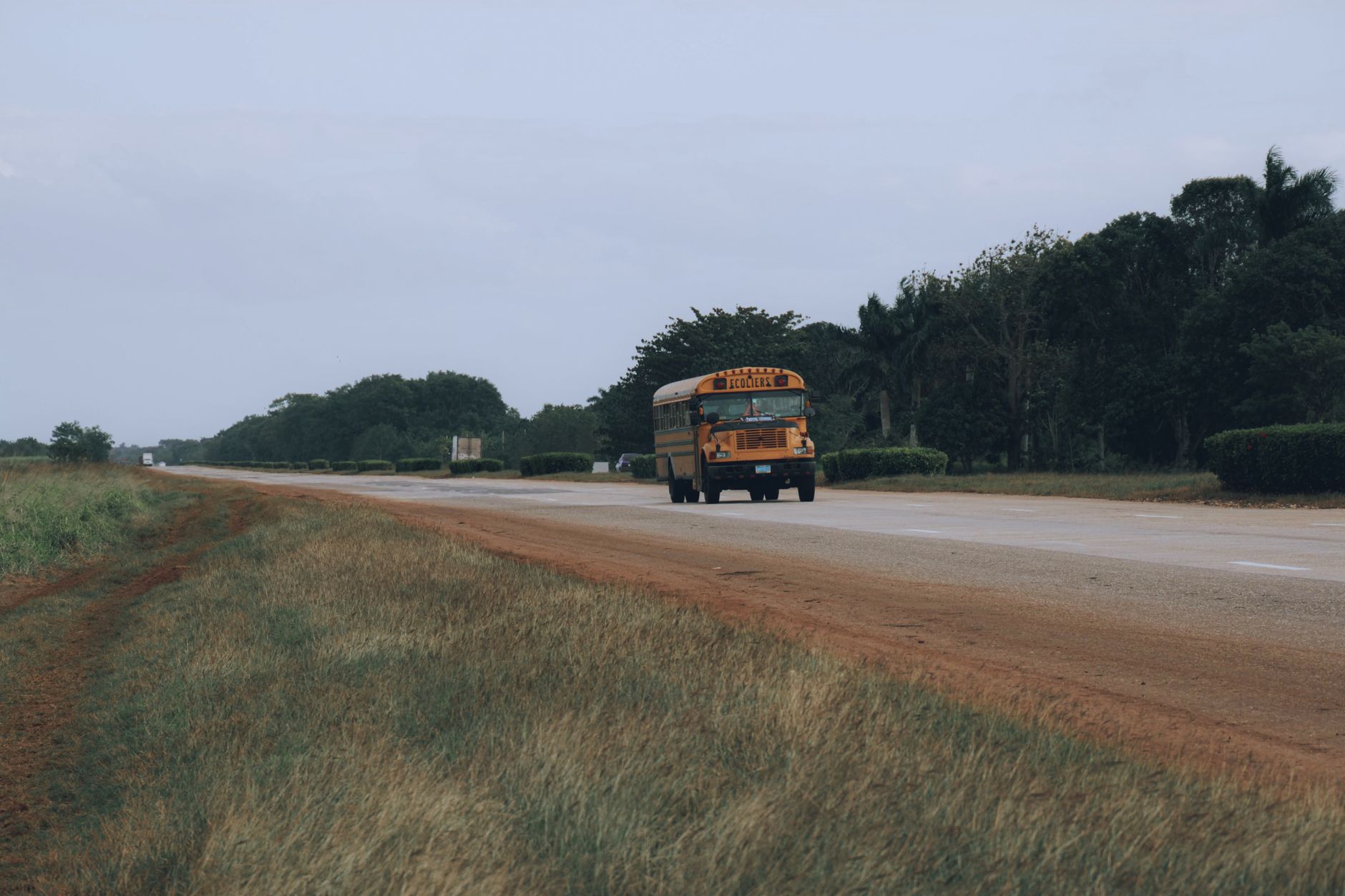
The length of a school bus may seem like a simple question, but it has practical implications, especially for transportation planning, road safety, and educational policies. Understanding how long school buses are can assist travelers, educators, and families in various ways, from ensuring safety during school drop-offs to planning transportation for field trips.
Generally, a standard school bus is about 35 to 40 feet long. However, variations exist depending on factors like the type of bus, its intended use, and local regulations. In this article, we will break down the specifics of school bus sizes, how they are measured, and what you need to know about their dimensions.
How Long Is A School Bus?
A standard school bus typically measures between 35 and 45 feet in length, with 38 feet being a common length for many models. These buses usually accommodate a driver plus up to 72 students, depending on the seating arrangement. The width of a school bus is generally around 8 feet, making it wider compared to average passenger vehicles, and the height can range from 10.5 to 12 feet, depending on the bus type.
Types of School Buses and Their Dimensions
Understanding the different types of school buses can be crucial when discussing their lengths.
Type A School Buses
Type A buses are smaller and typically range from 20 to 30 feet in length. They’re primarily used for transporting preschoolers, special needs students, or smaller groups. Their compact design is ideal for areas where larger buses may not be able to navigate easily.
Type B School Buses
Type B buses are slightly larger, averaging 25 to 35 feet in length. These buses can carry more students and are often used for typical elementary and middle school routes.
Type C School Buses
Type C buses, also known as conventional buses, are the most common type and typically measure 35 to 45 feet. These buses are recognizable due to their forward control chassis, and they’re often used for elementary and high school students.
Type D School Buses
Type D buses, or transit-style buses, are the largest, measuring 40 to 45 feet. They have a flat-front design and can carry the most students, making them a popular choice for larger school districts.
Measuring the Length of a School Bus
Different standards exist for measuring the length of a school bus, often based on the manufacturer’s specifications, which consider the overall size rather than just the seating capacity. When measuring the length:
- Start from the very front of the bus (often the bumper) to the back (including the rear bumper).
- Include any protruding elements, such as safety equipment or additional storage compartments, in your measurements.
- Make sure to account for any extensions like a trailer hitch if applicable.
Why School Bus Size Matters
The length of a school bus is not just a manufacturing detail; it impacts various factors in real-world scenarios. Here are some reasons why understanding the dimensions of school buses is beneficial:
1. Road Safety
School bus size plays a crucial role in road safety. Larger buses create a more significant presence on the road, which may affect how other drivers react. Understanding their dimensions can help drivers maintain safe distances and become aware of blind spots.
2. School Policies
School districts often have policies regarding pickup and drop-off zones, which can depend on the size of the bus. Knowing these ratios helps ensure safety in school environments, minimizing risks during student loading and unloading.
3. Field Trips and Transportation Planning
When planning field trips, schools need to consider the size of the bus to ensure that it can safely and efficiently transport students and accompanying adults. If there is a significant number of participants, the available bus size could greatly impact the logistics of the trip.
Practical Considerations for Bus Length in Travel
For families and travelers, knowing the length of a school bus can be practical when determining travel routes, especially in unfamiliar cities. Here are practical considerations when it comes to bus size:
1. Parking
Finding parking can become challenging if you’re using a vehicle similar in size to a school bus. Many urban areas have restricted parking for large vehicles, so plan accordingly.
2. Road Restrictions
Some roadways and bridges have restrictions based on vehicle lengths. Traveling with a bus-sized vehicle necessitates checking local regulations before planning routes as many areas restrict or prohibit larger vehicles on certain roads.
3. Navigation through Urban Areas
Driving a vehicle that is the length of a school bus can also present challenges in tight urban settings. Understanding the dimensions can help avoid serious accidents and make navigation easier.
FAQs About School Buses
Here are common questions about school bus dimensions that can assist those considering travel or education planning:
What is the average length of a school bus?
The average length of a standard school bus is typically between 35 and 45 feet. Most common models fall in this range.
How many passengers can a school bus carry?
The capacity of a school bus varies with its size but can generally accommodate anywhere from 30 to 72 passengers, depending on the specific model and seating arrangement.
Are shorter school buses available?
Yes, Type A and Type B school buses are shorter models available for specific needs, such as special education or transportation of smaller groups.
Traveling with a School Bus: Tips for Parents
If you’re looking to travel in a school bus or similar vehicle, here are some practical tips for parents to consider:
- Choose the Right Bus Type: Depending on the number of students and the travel distance, choose a bus type that meets your needs.
- Know the Routes: Familiarize yourself with bus routes and stops for smoother travel.
- Emergency Procedures: Always discuss emergency procedures with your children before embarking on the journey.
- Comfort and Supplies: Bring along comfort supplies like snacks, water, and travel pillows for longer trips.
Future Developments in School Bus Design
As schools look to innovate transportation, the future of school buses may evolve with technology. Here are a few trends to keep an eye on:
1. Electric and Hybrid Buses
More school districts are considering electric buses, which are often longer due to battery placement and additional technology for efficiency. This trend could change the common dimensions of school buses in the future.
2. Improved Safety Features
New safety technologies, such as enhanced visibility and tracking systems, can affect bus design, potentially increasing length or other dimensions for improved function.
3. Smart Bus Systems
The implementation of smart transportation solutions could lead to school buses designed to optimize capacity and efficiency over traditional specifications. This may influence future bus sizes.
Conclusion and Final Thoughts
Understanding the size of school buses is more than just trivia; it has practical implications for transportation safety, school policies, and travel planning. Whether you’re a parent preparing for a school trip, an educator working on logistics, or a traveler navigating city streets, the dimensions of these buses are essential knowledge.
Remember, the common length of a school bus is between 35 and 45 feet, with variations depending on type and model. Always consider how this impacts your travels and safety as you navigate your plans.
If you’re interested in further exploring travel-related topics, check out these helpful guides: learn about how many seats are in a school bus or find out how long is a plane ride to Florida.