
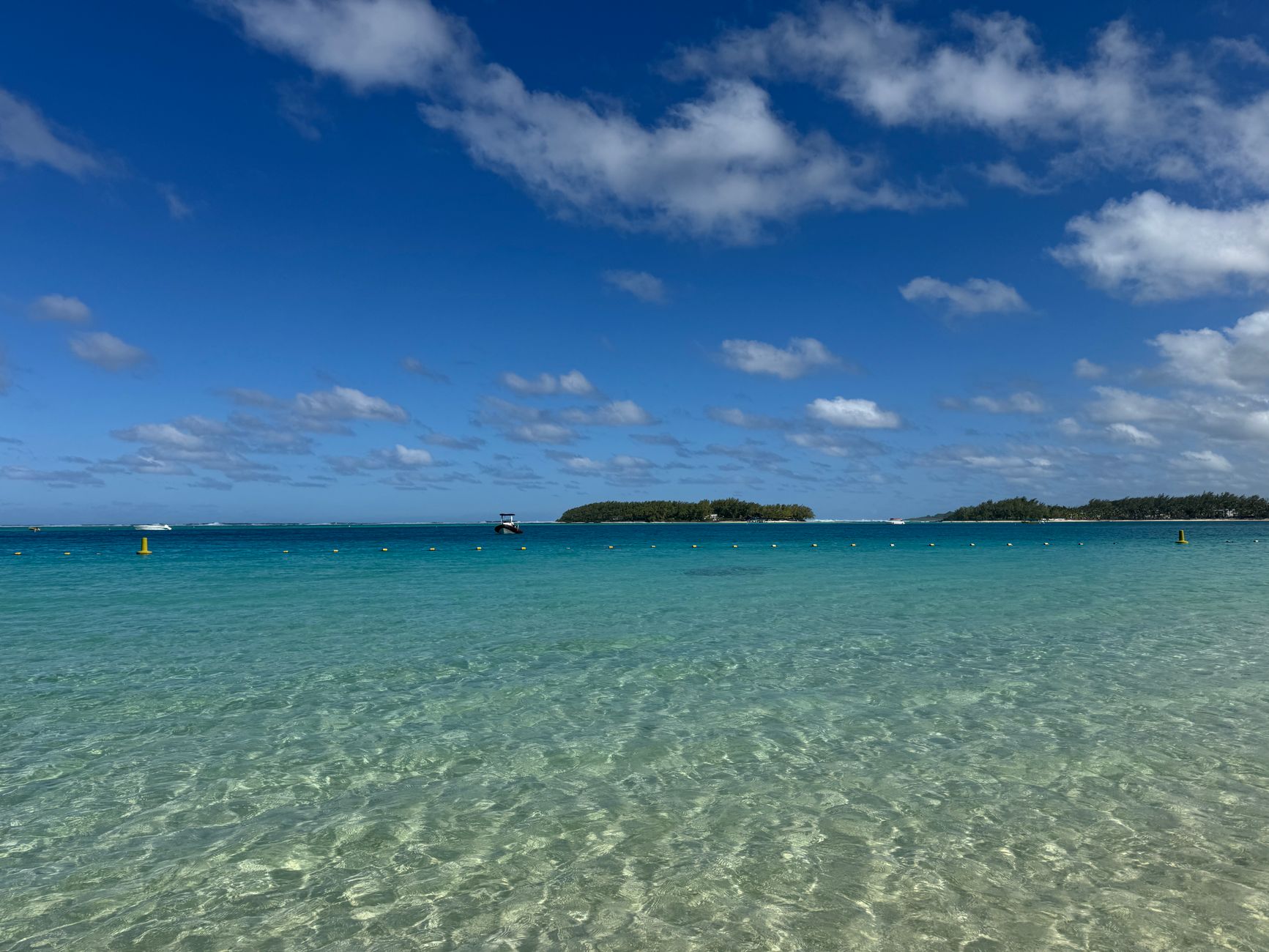
Hawaii is undoubtedly one of the most popular travel destinations in the world, attracting millions of visitors every year. The question of when to visit Hawaii is a common one, as different times of the year offer unique experiences. Understanding the climate, peak tourist seasons, and local events can significantly enhance your trip.
This guide will delve into the best time to visit Hawaii, exploring factors such as weather, activities, and crowds. Whether you’re planning a relaxing beach getaway, an adventure-packed vacation, or a cultural immersion, knowing the ideal time to visit will help ensure a memorable experience.
What Is The Best Time Of Year To Visit Hawaii?
The best time to visit Hawaii generally spans from mid-April to June and September to mid-December. During these months, you’ll find pleasant weather, fewer crowds, and reasonable prices. These shoulder seasons balance all the desirable elements for a great Hawaiian vacation: warm temperatures, lower tourist traffic, and opportunities for local experiences.
Understanding Hawaii’s Climate
Hawaii has a tropical climate characterized by warm temperatures year-round. With two main seasons—dry (April to October) and wet (November to March)—visitors can often enjoy comfortable weather regardless of the month. However, specific variations exist depending on the island and region.
Temperature Ranges
Average temperatures range from 70°F to 85°F (21°C to 29°C) throughout the year. Even in winter, conditions remain mild, making Hawaii an attractive escape for those facing colder climates.
| Month | Avg High (°F) | Avg Low (°F) | Rainfall (inches) |
|---|---|---|---|
| January | 80 | 64 | 3.3 |
| February | 80 | 64 | 3.2 |
| March | 81 | 65 | 2.9 |
| April | 82 | 66 | 1.9 |
| May | 84 | 68 | 1.6 |
| June | 86 | 70 | 0.5 |
| July | 87 | 72 | 0.4 |
| August | 88 | 73 | 0.6 |
| September | 88 | 72 | 1.1 |
| October | 86 | 70 | 2.9 |
| November | 83 | 67 | 4.0 |
| December | 80 | 65 | 3.5 |
Peak Tourist Seasons
Understanding Hawaii’s tourist seasons can aid in planning your ideal vacation. Peak tourist seasons tend to be around major holidays and popular summer months. Knowing when these times occur can help you avoid large crowds and high prices.
Winter Season (December to March)
The winter season is characterized by a significant influx of tourists seeking sunshine during the colder months. Accommodations and activities can be more costly, and popular spots may be crowded. However, this season also offers beautiful whale watching as humpback whales migrate to Hawaiian waters.
Summer Season (June to August)
Summer attracts families and school-age children on vacation. While the weather is perfect for beach activities, prices peak as accommodations become limited. Activities in the summer can also feel busy, especially at renowned tourist sites.
Shoulder Seasons (Mid-April to June and September to Mid-December)
These are considered the best times to visit Hawaii due to the moderate temperatures, lower prices, and less crowded attractions. From April to June, visitors can enjoy blooming flowers and various local events. Similarly, September to mid-December offers ideal conditions after the summer rush.
Best Activities by Season
Each season in Hawaii offers unique opportunities for activities and festivals. Here’s a breakdown of the best things to do depending on the time of year.
Winter Activities (December to March)
- Go whale watching: The peak season runs from January to March.
- Attend the Merrie Monarch Festival: Celebrating hula and Hawaiian culture every April.
- Take part in New Year’s celebrations: Experience local traditions and fireworks.
Spring Activities (April to June)
- Enjoy the Aloha Festival in September: Features parades, cultural presentations, and more.
- Hiking: Spring blooms and pleasant weather make hiking trails more vibrant.
- Water sports: Perfect conditions for surfing, kayaking, and snorkeling.
Summer Activities (June to August)
- Family-friendly beach activities: Great weather for swimming, sunbathing, and beach games.
- Attend local fairs and festivals: Summer brings various events showcasing Hawaiian culture.
- Explore the Hawaiian Volcanoes National Park: Great for hiking and scenic views.
Autumn Activities (September to Mid-December)
- Observe the fall foliage on the Big Island: Stunning colors in the volcanoes.
- Hiking: Enjoy clear trails with fewer hikers.
- Visit the Honolulu City Lights in December: A festive holiday light exhibition.
Accommodation and Pricing Considerations
When planning your visit, accommodation prices fluctuate significantly depending on the season. To save on lodging, consider booking during shoulder seasons. Here’s a brief overview of typical costs.
Average Accommodation Prices
| Type | Peak Season (June-August) | Off-Peak Season (January-March) | Shoulder Season (April-May, Sept-Nov) |
|---|---|---|---|
| Economy Hotels | $150-$300 | $100-$200 | $120-$250 |
| Mid-Range Hotels | $300-$500 | $200-$350 | $250-$400 |
| Luxury Resorts | $500-$1,000+ | $400-$600 | $450-$800 |
Transportation Options in Hawaii
Traveling between Hawaii’s islands and navigating local attractions can enhance your experience. Learning about transportation options is essential for a seamless journey.
Inter-Island Travel
Hawaii consists of several islands, and inter-island travel is often necessary. The most common methods include:
- Flights: Short flights connect the islands, taking about 30-40 minutes.
- Ferries: Limited service exists between certain islands, such as Maui and Lanai.
Local Transport
Once on your chosen island, transportation can be covered through several methods:
- Rental Cars: Ideal for exploring at your own pace, especially on larger islands like Maui and the Big Island.
- Public Buses: Affordable but less convenient for tourists.
- Taxis and Rideshare: Easy but more expensive compared to rental cars.
Planning Your Itinerary
Your itinerary should reflect your interests, the islands you want to explore, and the season. Here’s a sample one-week itinerary to maximize your visit.
Sample Itinerary for a Week in Hawaii
- Day 1: Arrive in Honolulu, relax on Waikiki Beach, and explore the local cuisine.
- Day 2: Visit Pearl Harbor and the USS Arizona Memorial, followed by a hike at Diamond Head.
- Day 3: Take an inter-island flight to Maui; enjoy the Road to Hana.
- Day 4: Explore Haleakalā National Park and watch the sunrise.
- Day 5: Transfer to the Big Island; visit Volcanoes National Park.
- Day 6: Relax at a beach resort; consider taking a snorkeling tour.
- Day 7: Debrief and enjoy some last-minute shopping and local eats before departure.
Health and Safety Tips
While Hawaii is generally safe for tourists, taking precautions can enhance your experience.
Health Precautions
- Stay hydrated: The warm climate means you should drink plenty of water, especially during outdoor activities.
- Sun Protection: Use sunscreen and wear protective clothing to prevent sunburn.
Safety Considerations
- Respect local wildlife: Observe animals from a distance and do not feed them.
- Be cautious when hiking: Prepare adequately with proper footwear, maps, and emergency supplies.
Conclusion
The best time to visit Hawaii typically falls during the shoulder seasons of mid-April to June and September to mid-December. These months offer pleasant weather, fewer crowds, and more affordable rates. With this guide planning your trip can be more straightforward, ensuring you enjoy all the beauty and culture Hawaii has to offer.
To further enhance your travel plans, feel free to check out these related articles: find out if Hawaii is warm in January at Is Hawaii Warm In January?, or discover if October is a good time to visit Hawaii at Is October a Good Time To Go to Hawaii?.