
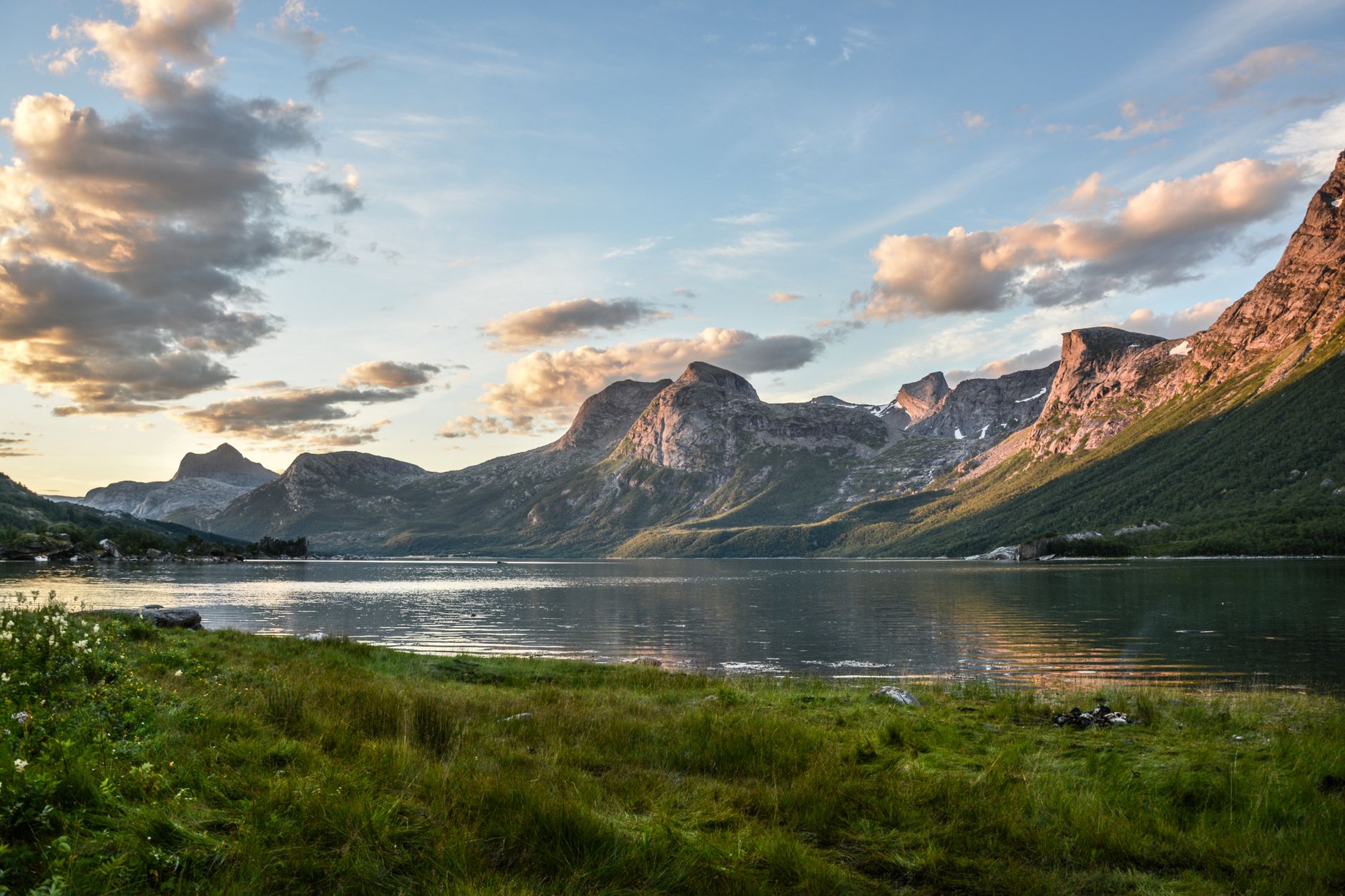
Mount Fuji, an iconic symbol of Japan, is situated on Honshu Island, approximately 100 kilometers (62 miles) west of Tokyo. Renowned for its striking symmetrical cone shape, it stands as the tallest mountain in Japan at an elevation of 3,776 meters (12,389 feet). This majestic peak, which is part of the Fuji-Hakone-Izu National Park, attracts millions of visitors each year.
Whether you are an avid hiker, a photography enthusiast, or simply looking to immerse yourself in Japanese culture, Mount Fuji is a must-visit destination. This article will guide you through the various aspects of visiting Mount Fuji, including its location, accessibility, best times to visit, nearby attractions, and much more.
Where Is Mount Fuji Located In Japan?
Mount Fuji is located at the boundary of Shizuoka and Yamanashi prefectures. It sits near the cities of Fuji, Fujinomiya, and Kawaguchiko, making it easily accessible from Tokyo and other major regions. The nearest major train stations are Fujisan Station and Kawaguchiko Station, which serve as gateways to explore the area.
The Surrounding Area and Attractions
The region surrounding Mount Fuji offers an array of attractions and activities that enhance its appeal. Here are some notable points of interest:
- Fuji Five Lakes: This collection of five lakes—Lake Kawaguchi, Lake Saiko, Lake Yamanaka, Lake Motosu, and Lake Shoji—provides picturesque views of Mount Fuji, especially at sunrise and sunset. Activities like boating, fishing, swimming, and camping are popular here.
- Hakone National Park: Located to the southeast of Mount Fuji, Hakone is known for its onsen (hot springs) and views of the mountain. Visitors can take a scenic cable car ride and enjoy various hiking trails.
- Fuji-Q Highland: An amusement park located near Fujiyoshida City, it features thrilling rides and attractions, including roller coasters that offer stunning views of Mount Fuji.
- Gotemba Premium Outlets: If shopping is on your agenda, this outlet mall located at the foot of Mount Fuji features over 200 stores as well as dining options with views of the mountain.
- Chureito Pagoda: This five-story pagoda located in Arakurayama Sengen Park provides one of the most photographed views of Mount Fuji. It is especially stunning during cherry blossom season.
How to Get to Mount Fuji
Reaching Mount Fuji is relatively straightforward due to its proximity to several major transportation hubs. Here are the common methods of transportation:
From Tokyo
- By Train: Take the JR Chuo Line from Tokyo to Otsuki Station, then transfer to the Fujikyu Railway to reach Fujisan Station or Kawaguchiko Station. The total travel time is about 2-2.5 hours.
- By Bus: Direct highway buses are available from Shinjuku Station to Kawaguchiko Station, taking around 1.5-2 hours.
- By Car: Renting a car provides the flexibility to explore the surrounding areas. Route 139 and the Central Expressway lead directly to Mount Fuji.
From Osaka and Kyoto
- By Shinkansen (Bullet Train): Take the Shinkansen to Mishima Station, and then transfer to a bus or taxi to reach the Fuji area. This journey typically takes 3-4 hours.
- By Bus: There are long-distance buses from Osaka to Fujiyoshida, which can take about 8-10 hours. It’s not the most convenient option but is available.
Getting Around Mount Fuji
Once you arrive at Mount Fuji, several transportation options can help you explore the area:
- Buses: Local buses operate throughout the Mount Fuji area, connecting the Fuji Five Lakes and attractions such as the 5th station (the starting point for many hikers).
- Rental Cars: For those planning to explore beyond the main attractions, renting a car can be a great choice. Roads are well-marked, and driving gives you the flexibility to visit at your own pace.
- Bicycles: Renting a bicycle is a popular option for exploring the lakes and surrounding parks, especially during the pleasant spring and autumn months.
Best Time to Visit Mount Fuji
The ideal time to visit Mount Fuji largely depends on your interests:
- Spring (March to May): Cherry blossoms start to bloom, making it a stunning time for photography. The weather is mild, but layers of clothing are recommended as temperatures can vary.
- Summer (June to August): This is peak hiking season. Most trails are open, and the weather is generally warm.However, it can also be crowded, especially at the summit.
- Autumn (September to November): The autumn foliage is breathtaking. The temperatures cool down, providing a comfortable climate for outdoor activities.
- Winter (December to February): While hiking trails are closed, the view of snow-capped Mount Fuji is spectacular. Skiing is also available in nearby areas.
Accommodations Near Mount Fuji
There are various accommodation options ranging from traditional ryokans (Japanese inns) to modern hotels and guesthouses. Here are some recommendations based on different preferences:
Luxury Options
- Fujikawaguchiko Onsen Konansou: This ryokan offers stunning views of Mount Fuji and features traditional Japanese-style rooms, hot spring baths, and kaiseki dining.
- Hotel Green Plaza Hakone: Located in Hakone, this hotel offers a luxurious experience with onsen facilities and a view of Mount Fuji.
Mid-Range Options
- Fujisan Hotel: Located in Fujiyoshida, it provides both Western and Japanese-style rooms with stunning mountain views.
- Lake Kawaguchi Onsen: A family-friendly hotel that combines modern amenities with traditional Japanese hospitality.
Budget Options
- Kawaguchiko Station Inn: A convenient and affordable option right by the train station.
- Hostel Fujisan: A mixed dormitory-type accommodation that is great for solo travelers and backpackers.
Things to Do at Mount Fuji
Your visit to Mount Fuji can be filled with various activities, catering to different interests. Here’s a list of recommended activities:
Hiking
Mount Fuji offers several trails for hikers of every skill level:
- Yoshida Trail: The most popular route, beginning at the 5th Station. It takes about 5-7 hours to ascend and 3-5 hours to descend.
- Subashiri Trail: A quieter alternative that starts from the Subashiri 5th Station. This trail is less crowded but can be challenging.
- Gotemba Trail: The longest of the three main routes. Suitable for experienced hikers, it offers a less populated experience and stunning views.
Enjoy the Scenic Views
Aside from hiking, the area offers numerous viewpoints to admire the mountain:
- Lake Kawaguchi: The most accessible lake providing stunning reflections of Mount Fuji.
- Shiraito Falls: Visit this UNESCO World Heritage site for serene views of cascading water with Mount Fuji in the background.
Cultural Experiences
To appreciate the cultural significance of Mount Fuji, consider:
- Visiting Local Shrines: The Fuji Sengen Shrine, located at the base of the mountain, is dedicated to the deity of Mount Fuji.
- Experiencing Traditional Festivals: Various festivals occur throughout the year, celebrating the mountain’s connection to Japanese spirituality.
Budget Considerations
Planning your budget is essential when visiting Mount Fuji. Here are some key expenses to account for:
Transportation
- Train fares: Expect to pay between 2,500 to 4,000 yen depending on the route and type of train.
- Bus fares: Local buses range approximately from 500 to 1,500 yen for short trips, while longer routes are more expensive.
Accommodation
- Luxury hotels: Prices can start at 20,000 yen per night.
- Mid-range hotels: Expect around 10,000 to 15,000 yen per night.
- Budget options: Dormitory beds start from 2,000 yen per night.
Dining
Meals can range from street food (500-1,000 yen) to full courses at sit-down restaurants (1,500-5,000 yen). It’s prudent to budget at least 2,500 yen per day for food.
Activities
Entry fees for attractions, such as parks and viewpoints, can range from free to 1,000 yen per visit. Hiking is generally free, but ensure to account for transportation to trails.
Safety and Accessibility Considerations
Safety is paramount when planning a trip to Mount Fuji. Here are essential points to keep in mind:
- Hiking Safety: Follow trails and advice from local authorities. Sudden weather changes can occur, so be prepared with proper gear.
- Weather Awareness: Mount Fuji can experience abrupt temperature shifts. Always check weather forecasts before heading out.
- Accessibility: The main viewing areas and transportation hubs accommodate various disabilities, but some hiking trails may not be accessible for all. Contact local facilities for specific accessibility information.
What to Pack for Your Trip
Packing for your trip to Mount Fuji requires careful consideration of weather and activities. Here’s a practical packing list:
- Layered Clothing: Dress in layers as temperatures can vary significantly.
- Hiking Gear: Proper hiking boots, trekking poles, and a daypack with water and snacks.
- Rain Gear: A waterproof jacket or poncho is crucial, especially during rainy seasons.
- Camera: For capturing the breathtaking landscapes, pack a camera or smartphone with extra batteries.
- Sun Protection: Sunglasses, sunscreen, and a hat to protect against UV rays at higher altitudes.
Final Words
Mount Fuji offers an unforgettable experience for travelers, combining natural beauty, culture, and adventure. Whether you choose to hike its slopes, relax by its lakes, or observe the majestic views from nearby attractions, Mount Fuji is a destination that deserves a spot on your travel itinerary. Ensure you plan according to your interests and the time of year to make the most of your visit.
If you’re seeking additional travel tips and destination guides, consider exploring topics like how much to travel to Japan or when is cherry blossom season in Japan for a deeper understanding of Japan’s seasonal treasures.