
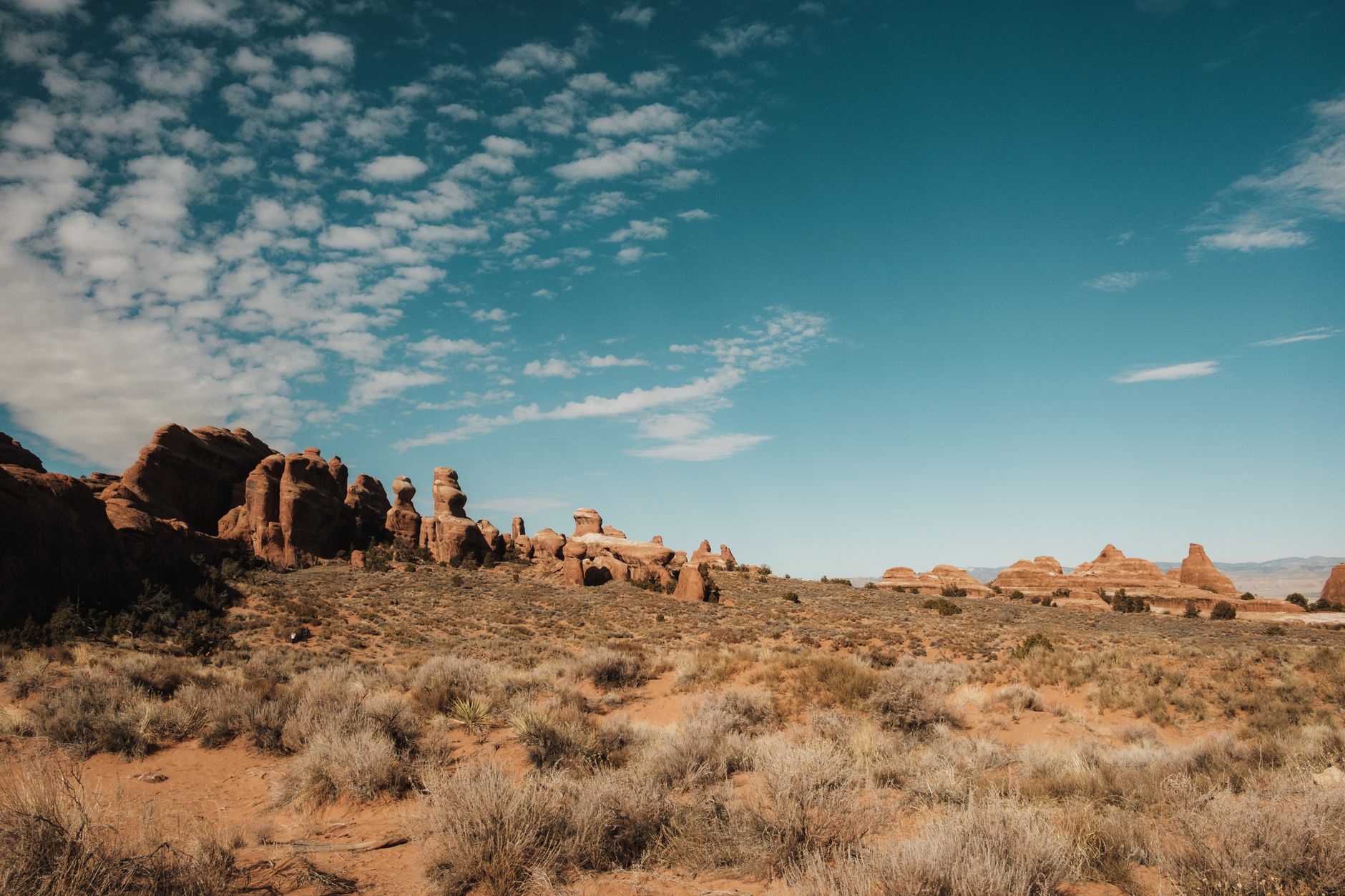
Zion National Park, located in the southwestern United States, attracts millions of visitors each year with its stunning landscapes, diverse ecosystems, and rich cultural history. Planning the right length of stay can significantly enhance your experience. Understanding how many days to allocate for your visit is key to fully enjoying this breathtaking destination.
This guide will help you determine the optimal number of days to spend in Zion National Park, taking into account popular activities, nearby attractions, accommodation options, and seasonal considerations. With this information, you’ll be able to craft a trip that suits your interests and pace.
How Many Days For Zion National Park?
Most visitors find that three to four days is an ideal duration for exploring Zion National Park. This timeframe allows for a comprehensive experience that covers key attractions while leaving room for relaxation and unplanned adventures.
Why Visit Zion National Park?
Zion National Park is known for its majestic cliffs, canyons, and diverse wildlife. Whether you’re a hiker, photographer, or simply looking to enjoy beautiful scenery, Zion has something for everyone. The park’s features, including the iconic Zion Canyon, The Narrows, and Angels Landing, offer various experiences suited for different skill levels and preferences.
The stunning views combined with rich cultural history make Zion not just a natural wonder, but also a place to connect with the legacy of ancient peoples who inhabited the area.
Suggested Length of Stay
When planning your trip, consider the following breakdown for an ideal visit:
- Day 1: Zion Canyon Scenic Drive – Spend your first day driving through Zion Canyon. Stop at various viewpoints for stunning photos and short hikes.
- Day 2: The Narrows – Dedicate this day to hiking The Narrows. Enjoy the unique experience of walking through the Virgin River.
- Day 3: Angels Landing and Other Trails – Conquer Angels Landing, one of the park’s most iconic hikes. Optionally, visit other trails such as Observation Point.
- Day 4: Explore Kolob Canyons or Canyoneering – Spend your last day discovering the less-visited Kolob Canyons or partake in a canyoneering tour for a thrilling adventure.
A three to four day itinerary provides a well-rounded experience, allowing ample time for both planned activities and spontaneous explorations.
Best Time to Visit Zion National Park
Zion’s climate can vary significantly with the seasons, which may impact your visit. The best times to visit are typically in spring and fall when temperatures are mild, and the park is less crowded.
Spring
In spring (March to May), wildflowers bloom, and most trails are open. Expect pleasant weather, though be aware of potential rain—bringing a poncho is advisable.
Summer
Summer (June to August) is the peak season. Temperatures can soar above 100°F (38°C), especially in mid-summer. Early morning hikes are recommended to avoid the heat.
Fall
In fall (September to November), you can enjoy cooler temperatures and fall foliage. This is another excellent time for fewer crowds.
Winter
Winter (December to February) can bring snow and ice, leading to trail closures. While you may encounter fewer visitors, some areas may be inaccessible. If you’re a fan of winter landscapes, it’s a unique time to visit.
Activities and Attractions
Zion National Park is filled with activities that cater to various interests. Here’s a breakdown of what you can do during your stay:
Hiking
Hiking is arguably the most popular activity in Zion. Some must-try trails include:
- Angels Landing: A challenging hike that offers dramatic views at the summit.
- The Narrows: A slot canyon hike that involves wading through the Virgin River. Check current water levels and conditions before attempting.
- Observation Point: Provides panoramic views and is less crowded compared to Angels Landing.
- Emerald Pools: A relatively easy hike that leads to beautiful waterfalls and pools.
Scenic Drives
The Zion Canyon Scenic Drive offers stunning views and is accessible via shuttle buses during peak season. This drive allows you to soak in the scenery while making stops at various viewpoints.
Photography
With its breathtaking landscapes, Zion is a photographer’s paradise. Sunrise and sunset at locations such as Canyon Junction or the Court of the Patriarchs provide fantastic lighting for your photographs.
Biking
Biking is permitted on the scenic drive and offers a refreshing way to see the park. Rentals are available in the nearby town of Springdale.
Wildlife Viewing
The park is home to a variety of wildlife, including deer, bighorn sheep, and various bird species. Early morning or late afternoons are ideal times for wildlife watching.
Accommodation Options
When visiting Zion, there are numerous accommodation options available, ranging from campgrounds to hotels. Here’s a list segmented by type of traveler:
Campsites
For those seeking a rustic experience, camping is a great choice:
- Zion Campground: Located within the park, it offers direct access to trails and stunning views.
- South Campground: Also within the park, this campground has limited amenities but provides a scenic environment.
Hotels and Lodges
If you prefer more comfort, consider these options:
- The Zion Lodge: The only in-park hotel, offering direct access to trails and stunning views. Book early as it fills up quickly.
- Springdale: A nearby town with various hotels, motels, and vacation rentals catering to different budgets.
Vacation Rentals
For larger groups or families, vacation rentals might provide a more spacious alternative. Websites like Airbnb or Vrbo can help you find suitable options in Springdale or nearby areas.
Transportation to and Within Zion
Zion National Park is accessible by car or bus. Here’s how to get there and get around:
Getting There
The nearest major airport is McCarran International Airport in Las Vegas, about 160 miles away from Zion. Rental cars are available at the airport for those needing transportation.
Getting Around
Inside the park, especially during peak season, shuttle buses operate to curb congestion. These buses will take you to various trailheads and points of interest.
Alternatively, consider biking as a means of getting around if you prefer an active approach.
Budget Considerations
A trip to Zion can vary widely in cost, depending on your preferences for accommodation, dining, and activities. Here are some budget considerations:
- Entrance Fee: Check for current prices, as they can change. Typically, there is a per-vehicle fee for park entry.
- Accommodation: Camping fees can be significantly less than hotels or lodges. Consider your budgetary constraints when choosing your stay.
- Meals: Dining in Springdale provides a range of options from inexpensive cafés to fine dining, catering to different budgets.
- Gear Rentals: If you need to rent gear for activities such as canyoneering or biking, factor those costs into your budget.
Packing for Your Trip
Proper packing can make your trip more enjoyable and comfortable. Here’s a checklist to help you prepare:
- Hiking boots or shoes with good traction
- Lightweight clothing for hot weather; layers for cooler evenings
- Rain gear or poncho
- Sun protection: hats, sunscreen, and sunglasses
- Water bottles or hydration packs
- Snacks for long hikes
- Camera or smartphone for capturing memories
- Backpack for carrying your gear
- First-aid kit for any emergencies
Safety Considerations
While Zion is an incredible place, safety should always be a priority. Here are some important tips for a safe visit:
- Stay on designated trails to protect both yourself and the environment.
- Be cautious of changing weather conditions, especially in The Narrows.
- Carry enough water, especially during summer months. Dehydration can occur quickly.
- Inform someone of your hiking plans, especially if you’re heading to remote areas.
Family-Friendly Considerations
Zion National Park is suitable for families, offering numerous activities and facilities:
- Choose shorter trails that accommodate younger children and less experienced hikers.
- Visit the Zion Canyon Visitor Center for educational exhibits and ranger-led programs.
- The park is stroller-friendly in several areas, particularly along the main canyon.
Solo Travel in Zion
Traveling solo can be a rewarding experience in Zion. It’s crucial, however, to stay safe and prepared:
- Consider joining guided hikes or tours if you’re unfamiliar with the area.
- Bring along a map and stay aware of your surroundings while exploring.
- Ensure your phone is charged, or consider carrying a portable charger, especially if hiking solo.
Nearby Attractions
After Zion, there are several nearby attractions worth exploring:
- Bryce Canyon National Park: About two hours from Zion, known for its unique rock formations and breathtaking views.
- Grand Canyon North Rim: Approximately three hours away, offers another stunning national park experience.
- Kolob Canyons: Located in the northwest corner of Zion, offering beautiful views and fewer crowds.
Zion National Park is a destination that deserves thorough exploration, and planning how many days to spend is essential for a fulfilling visit. By allocating three to four days, you can enjoy a variety of activities, soak in remarkable views, and connect with the tranquility of nature.
As you prepare for your adventure, ensure that you explore related destination guides and travel-planning articles, such as how many days to spend in Acadia National Park and what snow conditions are like in Zion National Park. Each provides valuable insights and can help enhance your travel planning.