
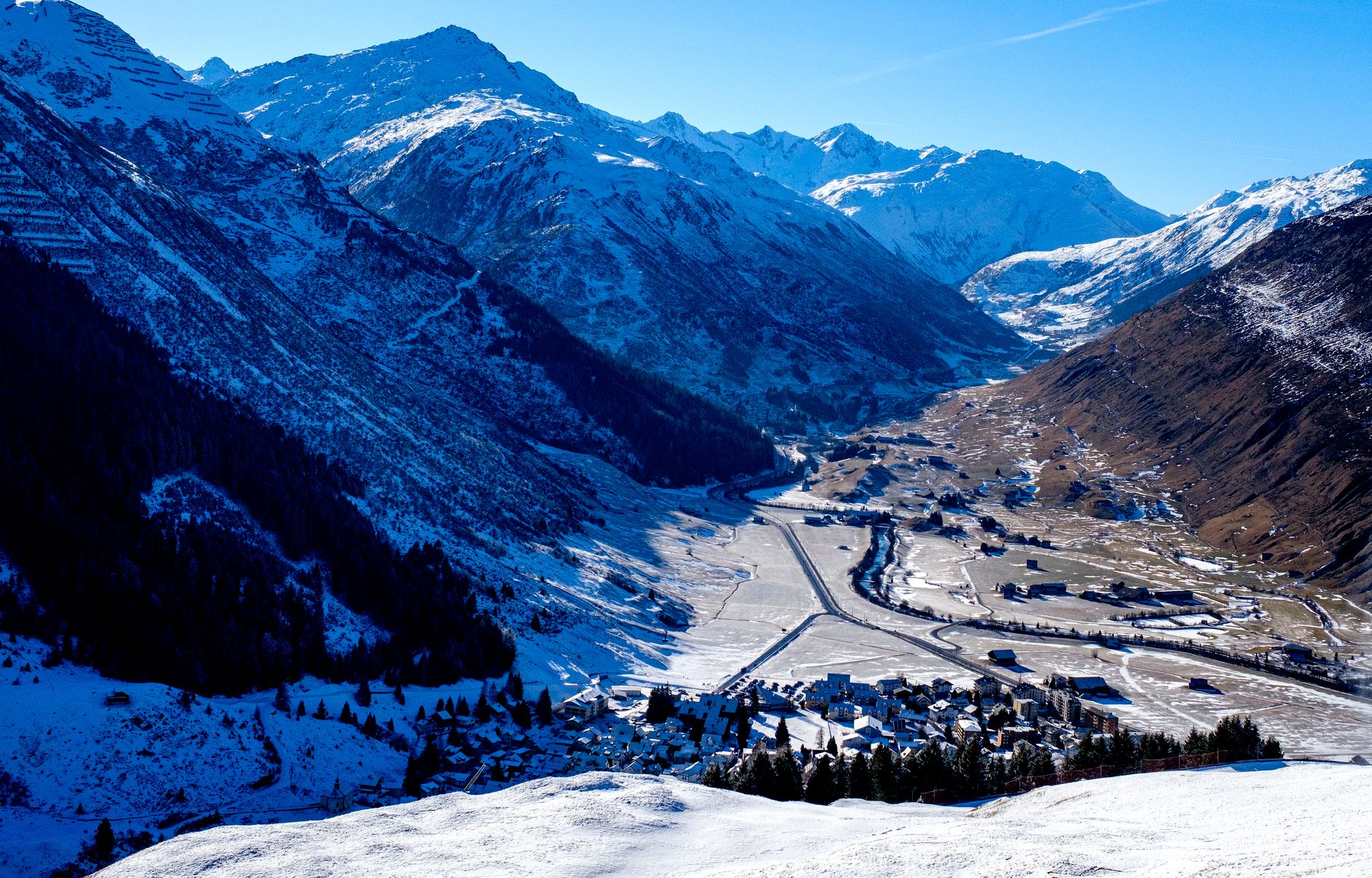
Zion National Park, renowned for its stunning red rock formations and breathtaking canyons, is an incredible destination year-round. However, many travelers may wonder about the park’s winter conditions. Specifically, does it snow in Zion National Park? The answer is yes, but the amount and impact of snow can vary significantly depending on the season and altitude within the park.
In this article, we will delve into whether it snows in Zion, when to expect snow, how it affects the park’s activities, and some essential tips for visiting during the winter months. Whether you’re planning a winter adventure or simply curious about the weather, this guide will arm you with the knowledge you need.
Does It Snow In Zion National Park?
Yes, it does snow in Zion National Park, particularly in higher elevations. The park typically sees snow from late November to early March, with the most snowfall occurring in December and January. While lower elevations may experience only light dustings or occasional flurries, higher peaks in the park can accumulate several inches or even feet of snow.
When Does Snow Fall in Zion National Park?
The winter season in Zion generally spans from late November through early March. During this period, conditions can be variable, but snow is a common occurrence, particularly in December and January.
Monthly Breakdown of Snowfall
- November: Snow is rare, but occasional flurries can occur. Temperatures start to drop.
- December: One of the snowiest months, with snow accumulating on higher trails and peaks.
- January: Continues to see significant snow, especially in the higher elevations.
- February: Snowfall starts to decline, though winter storms can still occur.
- March: Snow becomes even less frequent, but cooler temperatures can linger.
How Does Snow Affect the Park?
Snow in Zion National Park creates a beautiful transformation of the landscape, making the iconic red rock formations particularly stunning. However, winter weather can also impact accessibility to certain trails and facilities.
Trail Accessibility
During snowy conditions, lower elevation trails, such as the Riverside Walk, are often more accessible. However, trails at higher elevations like Angels Landing may be treacherous or closed due to snow and ice. It is essential to check with the park’s visitor center or website for current trail conditions before heading out.
Visitor Services
Some visitor services may have reduced hours during winter. The Zion Canyon Shuttle, which operates spring through fall, does not run in the winter months. However, many amenities in Springdale, the town outside the park, remain open year-round.
Winter Activities in Zion National Park
While summer is peak tourist season for Zion, winter offers unique experiences that are both quieter and different from the bustling warmer months. Here are some activities you can enjoy during a winter visit.
Hiking
Winter hiking can be a magical experience in Zion, as the park takes on a serene quality. Remember to dress in layers and consider traction devices for icy trails. Popular hikes during winter include:
- Riverside Walk: A relatively easy and accessible trail along the Virgin River.
- Lower Emerald Pool Trail: A short hike that leads to beautiful waterfalls, especially stunning when framed by snow.
- Weeping Rock Trail: Offers breathtaking views and a chance to see icicles hanging from the rock formations.
Photography
The contrast of snow against the red rock formations creates a photographer’s paradise. The soft light during winter can also allow for dramatic landscape photography that captures Zion in a different light.
Wildlife Watching
Winter brings unique opportunities for wildlife viewing. Watch for mule deer, bighorn sheep, and a variety of birds. Snow can sometimes make these animals more visible as they leave tracks in the fresh snowfall.
Planning Your Winter Trip
To maximize your enjoyment during a winter visit to Zion National Park, consider the following tips for planning your trip:
What to Pack
- Warm Clothing: Layers are key to staying comfortable in changing temperatures.
- Waterproof Gear: Ensure you have a waterproof jacket and pants in case of rain or wet snow.
- Traction Devices: Bring microspikes or yaktrax for better grip on icy trails.
- Snowshoes: If you plan to explore deeper into snow-covered areas, snowshoes can enhance your experience.
- Cameras: For capturing the picturesque winter scenes.
Getting There
Zion National Park is accessible year-round. The closest major airport is in Las Vegas, Nevada, about 160 miles away. If driving, ensure you check road conditions, especially if heading through mountainous areas where snow could impact travel.
Where to Stay
While camping is available in warmer seasons, few campgrounds remain open in winter. Lodging options include:
- Hotels in Springdale: Several hotels provide comfortable accommodations just outside the park.
- Vacation Rentals: Consider renting a cabin or home for larger groups or families.
- Zion National Park Lodge: The only lodging within the park itself offers a unique way to experience Zion.
Safety Considerations
Winter conditions can create hazardous situations while hiking, so keep these safety tips in mind:
Be Prepared
Always check weather forecasts and trail conditions before heading out. Be prepared for sudden changes in the weather.
Stay on Designated Trails
Winter weather can obscure trails, so stick to marked paths to ensure you stay safe and do not get lost.
Inform Someone
Let someone know your itinerary and expected return time. In remote settings, this is crucial for your safety.
Best Time to Visit Zion National Park in Winter
The best time to visit Zion National Park in winter is typically from late December through February. This is when snow is most likely, creating a picturesque landscape. If you prefer milder temperatures with minimal snow, consider visiting in late November or March.
Suggested Length of Stay
A winter trip to Zion can be perfectly enjoyed in a 2-3 day itinerary. This allows adequate time for hiking, photography, and leisurely exploration of the park and surrounding areas.
Budget Considerations
While winter can generally offer lower rates for accommodation compared to the summer months, travel expenses can still add up. Here are some considerations:
- Accommodation Costs: Expect varying rates, particularly in Springdale, but off-peak prices can be appealing.
- Entrance Fees: There is an entrance fee per vehicle for Zion National Park, which is valid for seven days.
- Food and Supplies: Eating in town versus bringing your own provisions can impact your budget.
Conclusion
Understanding that it does snow in Zion National Park brings a new dimension to your trip planning. From breathtaking winter hikes to quiet moments soaking in the views, the park transforms into a serene wonderland during the colder months. Prepare accordingly, and you’ll enjoy a unique aspect of Zion that few get to experience.
For further inspiration, explore more travel-planning articles and destination guides. Check out things to do in Shenandoah and things to do in Natural Bridge, VA for more outdoor adventures and experiences when planning your next getaway.