
Trains have long been a vital component of railway transportation, connecting cities and bringing goods to market. One often-asked question is, why don’t trains have cabooses anymore? Understanding this shift in train design requires a look at historical practices, technological advancements, and modern operational efficiencies.
Cabooses were once a common sight at the end of freight trains, serving both practical and cultural functions. As transportation technology has changed and evolved, the need for cabooses has largely diminished. Exploring this evolution provides insights into train operations, safety standards, and the overall efficiency of modern rail systems.
Why Don’t Trains Have Cabooses Anymore?
The decline of cabooses can be attributed to a combination of technological advancements and the changing nature of train operations. Traditionally, cabooses served as a workspace for crew members, a point of observation for train operations, and a safety measure. However, changes in design and technology have rendered these functions largely unnecessary.
Historical Context of Cabooses
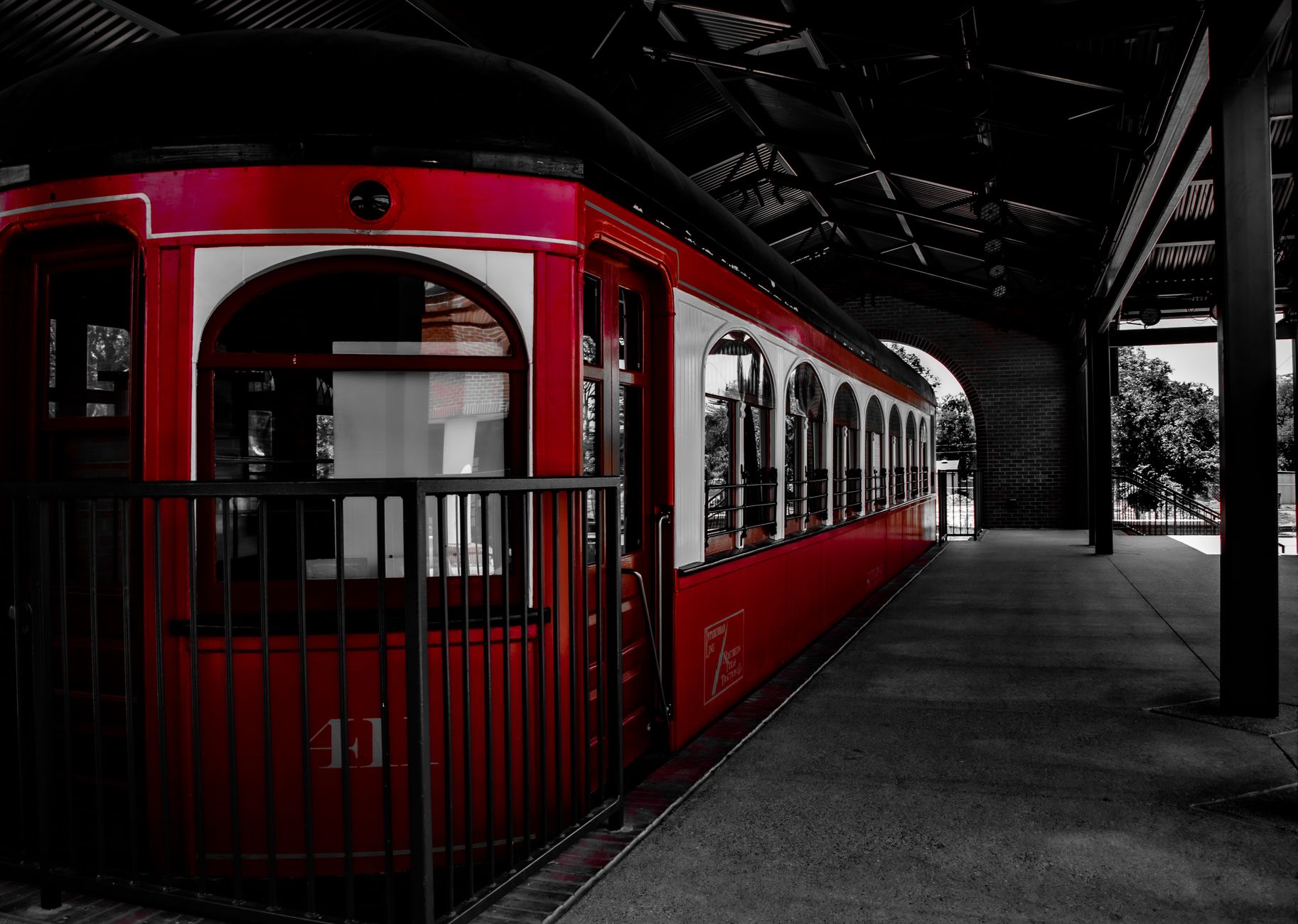
Cabooses were essential components of freight trains during their peak use. They originated in the mid-19th century as a way to provide railroad workers with a sheltered place to work while observing the train’s operations. Commonly painted in bright colors, these railcars became an iconic symbol of railroading culture.
Typically, cabooses included amenities like seating, a stove, sleeping quarters, and various tools for crew members. They housed a conductor and often a brakeman, who worked to ensure the train was running smoothly. The caboose acted as a lookout, allowing crew to monitor the load and determine if adjustments were needed during transit.
Technological Advancements in Railroading
One significant factor contributing to the decline of cabooses is the rise of advanced technology within train operations. Modern freight trains utilize electronic monitoring systems and sensors that allow for improved monitoring of train performance and load conditions. These systems can relay information in real-time, removing the need for crew members to physically observe the train.
Moreover, developments in train design and braking technology have reduced the number of crew members needed. With the advent of distributed power systems, locomotives can now be strategically placed throughout the train, allowing for better control and management without a need for a caboose.
The Shift Toward Efficiency
As railroads have sought to optimize operations, the removal of cabooses has been part of a broader trend toward increased efficiency and cost-effectiveness. Cabooses are bulky and add unnecessary weight to freight trains, causing delays and reduced fuel efficiency. Without the caboose, freight trains can carry more cargo and travel more quickly.
Railroads also face operating pressures to minimize costs. The absence of a caboose helps reduce labor costs and maintenance requirements, making rail transport more competitive with other modes of shipping, such as truck transport. Consequently, many railroads opted to eliminate cabooses from their fleet.
Safety Considerations
Safety has also evolved significantly in the rail industry, rendering cabooses less vital. In the past, cabooses offered certain safety benefits, as having crew members monitor the train’s cargo helped identify issues quickly. However, advances in safety systems, such as automated braking systems, have greatly improved train safety. Railroads can now maintain operational safety without traditional crew positions in a caboose.
While cabooses once played an integral role in braking systems by allowing crew to apply brakes manually, those functions have been replaced by technology. Automatic brake systems enable more efficient and safer stopping capabilities, further driving the need to phase out cabooses.
Modern Train Operations
Today, trains operate under a different paradigm compared to historical practices. The roles of train operators and conductors have shifted, with increased reliance on technology lessening the need for physical observation points like cabooses. Instead, train crews now utilize modern dispatching and monitoring systems to oversee train operations.
To fulfill the economic and operational requirements of contemporary rail systems, the priority has shifted towards faster, more reliable service that maximizes cargo space and minimizes unnecessary components, like cabooses.
The Cultural Significance of Cabooses
Train enthusiasts often enjoy traveling on excursions that feature vintage locomotives and cabooses, fueling a passion for historical railroading. In this context, cabooses serve as a bridge connecting the modern train experience to its historical roots.
The Future of Train Travel
As technological advancements continue shaping rail operations, the future of train travel is likely to become even more efficient and streamlined. Innovations in autonomous trains, renewable energy, and improved rail infrastructure promise to enhance performance while ensuring safety and sustainability. In this evolving landscape, the presence of cabooses appears increasingly unlikely.
However, the conversation around cabooses reflects broader themes in transportation, including how technology can improve safety and efficiency while also impacting traditional roles in travel. As rail transport continues to adapt, it will be essential to consider how these changes resonate with both practical needs and cultural significance.
Traveling by Train Today
Although cabooses have disappeared from the operational landscape of freight trains, train travel remains a popular and accessible mode of transportation for both leisure and business. Modern trains offer a range of amenities, including dining options, spacious seating, and convenient schedules. Here’s what to consider when planning a train trip today:
- Understand Train Class Options: Familiarize yourself with the different classes and services available. Many trains offer first-class, business, and economy seating, each with varying levels of comfort and amenities.
- Check Schedules and Routes: Amtrak, Via Rail, and other systems provide excellent online resources to check routes and schedules. Plan your journey according to your travel destination and the frequency of train services.
- Advance Bookings: Generally, it is wise to book your tickets in advance. This can help secure better fares and ensure your preferred travel times are available.
- Pack Accordingly: When traveling by train, packing lightly is advisable. While trains typically allow luggage, be mindful of space constraints and check the airline’s luggage policy.
- Arrive Early: Arriving at the station early allows for a relaxed check-in process, especially if you’re securing your seat or require assistance.
Traveling Responsibly by Train
Train travel is often touted as an eco-friendly transportation option with a lower carbon footprint compared to cars and airplanes. To enhance your responsible travel practices while using the train, consider these suggestions:
- Embrace Public Transportation: Opt for public transportation in cities when you arrive at your destination. Many cities have easy-to-navigate transit systems that reduce the need for personal vehicles.
- Support Local Economies: Engage with local businesses during your travels. Enjoy meals at local restaurants, shop at independent stores, and participate in community events.
Conclusion
Understanding why trains don’t have cabooses anymore reveals a fascinating blend of history, technology, and efficiency. While cabooses are no longer necessary for modern train operations, their legacy continues to be appreciated by train enthusiasts and those interested in the evolution of rail travel. The ongoing development of rail technology promises to redefine future travel while making the train experience more enjoyable and sustainable.
To plan your next trip, consider exploring more about train travel. You can check our guides on how fast do passenger trains go and how long is a flight to Switzerland to further enhance your travel plans and options.