
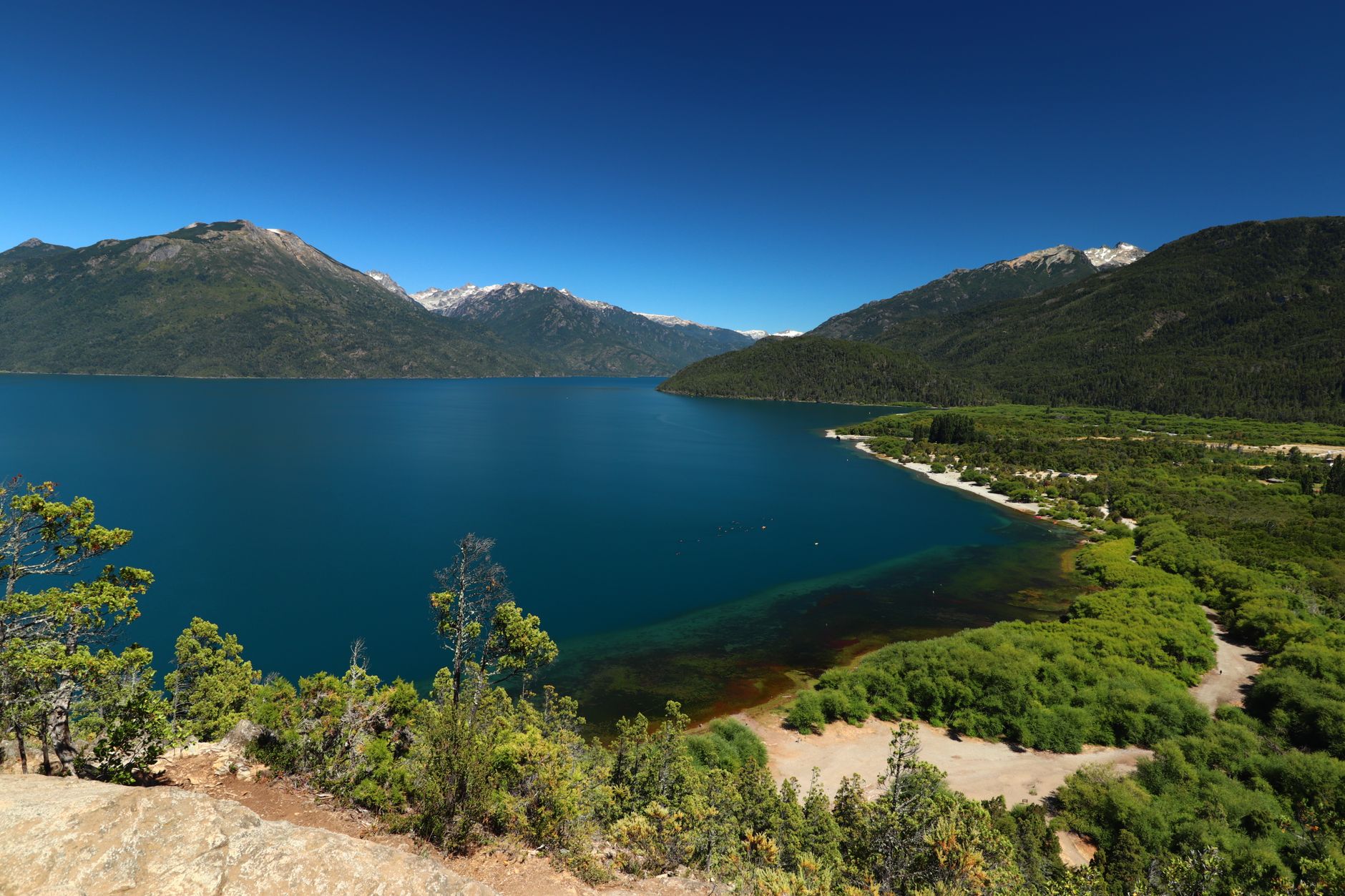
Planning a trip to Patagonia involves not just selecting your itinerary, but also deciding where to fly into this vast and stunning region. With its breathtaking landscapes, unique wildlife, and rich culture, choosing the right airport can significantly impact your travel experience.
This article will provide you with essential information on the best airports to fly into Patagonia, explaining the advantages of each and tips for navigating this remote area of the world.
Where To Fly Into Patagonia?
When considering where to fly into Patagonia, the primary airports to consider are located in both Chile and Argentina. The most popular options are El Calafate, Punta Arenas, Puerto Natales, and Ushuaia, each offering different access points to major attractions.
Overview of Major Airports in Patagonia
Patagonia spans two countries: Chile and Argentina, providing multiple entry points. Here’s a breakdown of the airports you should consider:
- El Calafate Airport (FTE) – Argentina
- Punta Arenas Airport (PUQ) – Chile
- Puerto Natales Airport (PNT) – Chile
- Ushuaia Airport (USH) – Argentina
El Calafate Airport (FTE)
El Calafate Airport is one of the most accessible entry points for those wanting to explore Argentina’s Patagonia, particularly the Los Glaciares National Park, home to the world-renowned Perito Moreno Glacier.
Advantages
The airport is conveniently located roughly 22 km from the town of El Calafate. Regular flights connect El Calafate with major cities such as Buenos Aires and Trelew. Some international flights enter from neighboring countries as well, making it an essential hub.
Getting Around
Once you arrive at El Calafate Airport, you can find several shuttle services and taxi options to get to your accommodation or the park. Pre-booking a transfer can help ease your arrival stress.
Punta Arenas Airport (PUQ)
Punta Arenas is the largest city in Chilean Patagonia and serves as a significant gateway for those traveling to Torres del Paine National Park and other destinations in Chile.
Advantages
The airport is about 19 km from the city center, and numerous flights from Santiago, as well as other international routes, make it a well-connected hub. Punta Arenas is also an ideal springboard for those looking to tour the southern fjords.
Transportation Options
From Punta Arenas Airport, you can opt for buses, taxis, or rental cars. Several local tour operators also provide transportation and day trips to nearby attractions, which can be booked in advance.
Puerto Natales Airport (PNT)
While smaller than the others, Puerto Natales Airport is strategically located closer to Torres del Paine National Park, making it an appealing choice for tourists heading to this stunning area.
Advantages
This airport is roughly 70 km from the national park and offers seasonal flights from Punta Arenas and Santiago. Its proximity to the park saves travel time and allows for a more relaxed itinerary.
Getting There
Puerto Natales also has a range of accommodation and restaurants, making it a convenient stop for travelers. Transport options to the park include buses and transport services from hotels.
Ushuaia Airport (USH)
Located at the southernmost tip of Argentina, Ushuaia is often labeled as the “end of the world.” It serves as an essential airport for visitors heading to Tierra del Fuego National Park and also connects to Antarctic cruises.
Advantages
Ushuaia Airport has direct flights from Buenos Aires and seasonal flights from other Argentine cities. It is an excellent option for those who want to explore both Argentina’s Patagonia and embark on unforgettable fjord experiences.
Transportation Options
From Ushuaia Airport, taxis and buses operate regularly to transport travelers to the city center. Be aware that accommodations are numerous in Ushuaia, which also provides great opportunities for outdoor activities.
Choosing the Right Airport for Your Itinerary
Your selection of an airport should align with your travel plans, budget, and interests. Here are some key considerations:
Activities
If your primary goal is to see glaciers and participate in outdoor adventures, El Calafate is ideal. For exploring Torres del Paine and the surrounding areas, Punta Arenas or Puerto Natales makes the most sense. If your focus includes Antarctica, consider Ushuaia.
Budget
Evaluate the cost of flights to each airport, as fares can vary considerably. Sometimes, flying into a larger hub like Punta Arenas may provide lower fares, even when factoring in transfer costs.
Time Constraints
Consider how much time you have for travel and exploration. If you are limited on time, flying into the airport closest to your main destination can help. Airlines have differing schedules and seasons, so check flight availability when planning.
Best Time to Fly Into Patagonia
The best time to visit Patagonia largely aligns with its tourist season, which generally runs from late spring to early autumn, roughly from October to March. Here’s a breakdown of seasonal considerations:
Spring (October – December)
During spring, the landscape starts to bloom, and tourist crowds are still moderate. This time is ideal for those seeking cooler temperatures and fewer visitors, particularly if you want to enjoy hiking trails.
Summer (January – March)
Summer offers the warmest weather and the longest days, making it excellent for outdoor activities. Be prepared for higher accommodation prices and larger crowds during this peak season.
Autumn (April – June)
Autumn provides stunning fall foliage and fewer tourists. However, weather can be unpredictable, and some services may close after the busy season ends.
Length of Stay Recommendations
The optimal length of stay in Patagonia depends on your preferred activities and travel pace. Here’s a general guideline:
- **3 to 5 Days**: Ideal for a quick visit to a key national park like Torres del Paine or Los Glaciares.
- **7 to 10 Days**: This duration allows for exploration of multiple parks and cities, such as El Calafate, Puerto Natales, and Punta Arenas.
- **2 Weeks or More**: Perfect for a thorough exploration of both Argentine and Chilean Patagonia, including remote areas and nature tours.
Budget Considerations
Understanding the budget for traveling to Patagonia can help manage expectations and plan effectively. Here are key factors to consider:
Flights
Airfare costs can fluctuate wildly, depending on the season and your departure location. It’s a good idea to book flights well in advance and keep an eye out for sales.
Accommodations
Accommodation prices vary based on the proximity to parks and cities, as well as the time of year. Budget travelers should consider hostels or campsites, while those seeking more comfort may prefer mid-range hotels or lodges.
Food and Drink Costs
Dining in Patagonia can also vary. Dining out in fine restaurants can be expensive, but you can save money with local bakeries, supermarkets, or markets. Always check for grocery stores in the towns where you are staying.
Transportation Options Within Patagonia
Once you’ve arrived, navigating Patagonia remains essential for your travel experience. Here’s what you need to know:
Buses
Long-distance buses are a popular way to travel between cities and attractions. Comfortable and cost-effective, they connect major city centers and can provide scenic views along the journey.
Car Rentals
Renting a car offers flexibility and the chance to explore hidden corners of Patagonia. Be sure to book in advance, and keep in mind that some roads may be unpaved or require 4WD.
Local Tours
Consider joining local guided tours for popular sites. They often include transport, meals, and knowledgeable guides who can enhance your travel experience.
Safety and Accessibility Considerations
Traveling in Patagonia offers unique challenges, and being prepared is crucial. Here are some practical tips:
Weather
The weather in Patagonia can be erratic, with conditions changing rapidly. Layer your clothing and be prepared for wind, rain, and sudden temperature drops.
Health and Safety
Stay informed about any health advisories and ensure you have appropriate travel insurance that covers emergencies, especially if you plan on hiking or engaging in other outdoor activities.
Accessibility
If traveling with mobility issues, plan ahead as some trails and attractions may not be fully accessible. Research accessible lodgings and transportation options in advance.
Conclusion
Deciding where to fly into Patagonia hinges on your travel plans and what you most want to experience. With multiple airports offering various advantages, it’s essential to weigh factors such as proximity to attractions, budget considerations, and flight availability. Proper planning ensures that your trip to Patagonia can be both memorable and fulfilling.
For more insightful travel tips, check out our guides on flying into Bar Harbor, Maine and getting to La Paz, Mexico.