
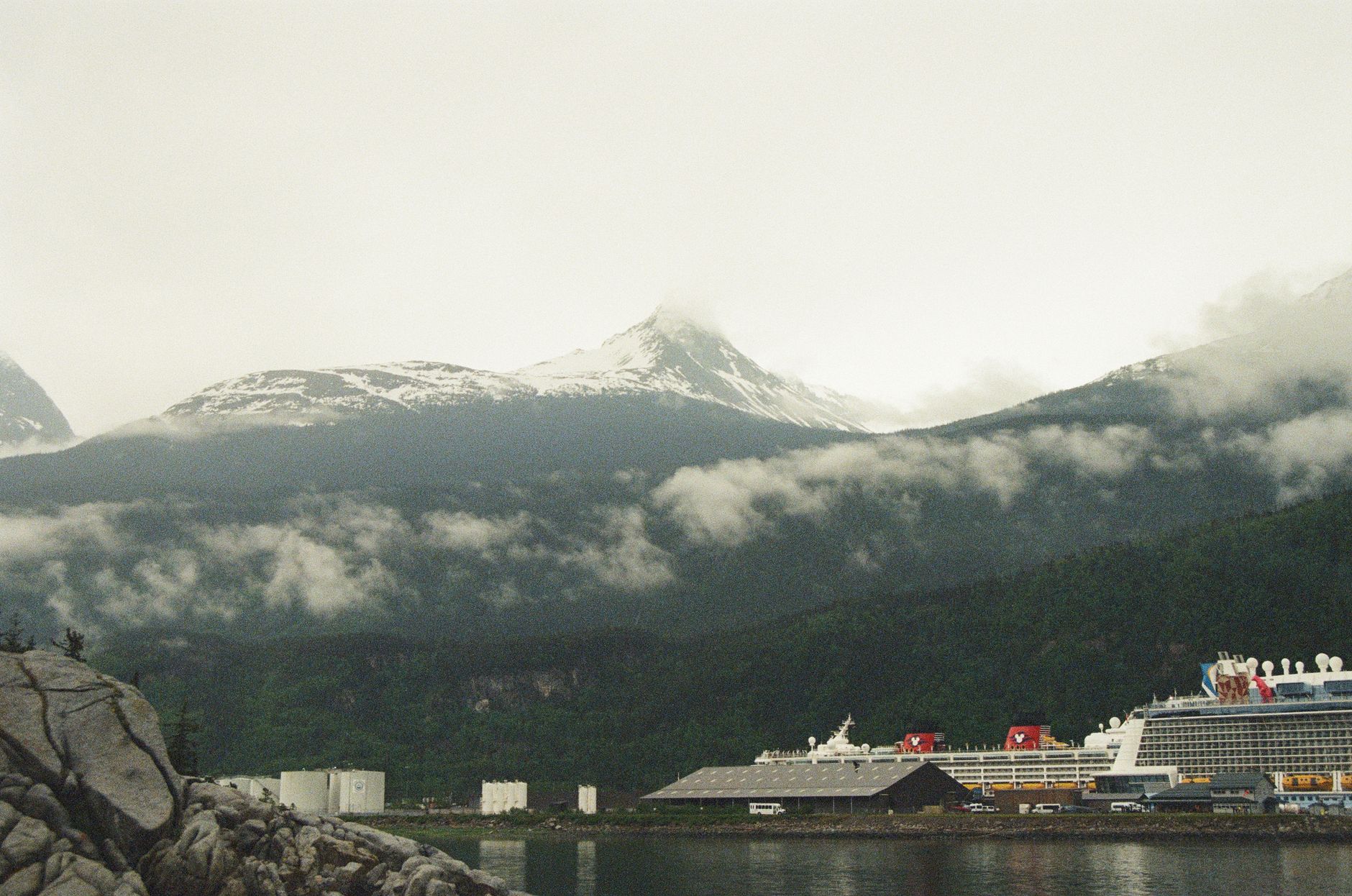
Planning an Alaskan cruise in August presents the unique challenge of preparing for diverse weather conditions. The climate can vary considerably, so it’s crucial to pack thoughtfully for comfort and versatility. This guide aims to provide practical advice on what to wear during your journey, ensuring you enjoy everything Alaska has to offer—from stunning glacial vistas to charming coastal towns.
In this article, we’ll cover essential clothing items, layering tips, footwear recommendations, and accessories to keep you warm, dry, and stylish on your Alaskan cruise. Read on to prepare for this breathtaking adventure!
What To Wear On An Alaskan Cruise In August?
When considering what to wear on an Alaskan cruise in August, focus on layering, waterproof gear, and breathable fabrics. The fluctuating temperatures can range from the mid-50s to low-70s Fahrenheit, so layering will help you adapt to changing conditions and stay comfortable.
Understanding Alaska’s August Weather
Before packing, it’s important to understand the weather you might encounter in August. Typically, temperatures range between 55°F and 70°F (13°C to 21°C) during the day but can drop significantly in the evening. Rain is also a common occurrence this time of year, with August being one of the rainiest months in Alaska.
Weather conditions can change rapidly in Alaska, especially if you’re visiting areas close to glaciers or in the wilderness. Therefore, it’s essential to be prepared for sun, rain, and even chilly winds.
Essential Clothing for Your Cruise
1. Base Layers
Start with moisture-wicking base layers, which help to keep sweat away from your body while providing warmth. Here are some key items:
- Long-Sleeve Tops: Opt for lightweight, long-sleeve tops made of breathable materials.
- Thermal Underwear: Consider bringing thermal long johns or leggings, especially for chilly excursions.
- Short-Sleeve Shirts: Pack a couple of short-sleeve shirts for warmer days. Look for quick-dry fabrics.
2. Insulation Layers
Insulation layers will help retain body heat without bulk. This layer is particularly important for cooler evenings or during excursions into colder areas.
- Fleece Jacket: A lightweight fleece jacket is ideal for added warmth and can be easily packed.
- Puffy Vest or Jacket: A down vest or lightweight insulated jacket offers excellent warmth-to-weight ratio.
3. Outer Layers
Waterproof and windproof outer layers are essential for staying dry. Look for the following:
- Rain Jacket: Choose a breathable waterproof jacket with a hood to shield you from rain.
- Pants: Water-resistant pants are a great option. Convertible pants that turn into shorts can offer added versatility.
4. Footwear
Comfortable and durable footwear is crucial for exploring Alaska’s rugged terrain. Here’s what to consider:
- Waterproof Hiking Shoes: Sturdy, waterproof shoes or hiking boots with good traction are essential, especially if you’re planning to hike.
- Casual Shoes: Sneakers or comfortable walking shoes can be useful for onboard activities and casual excursions.
- Slippers or Flip-Flops: A pair of lightweight slippers or flip-flops for relaxing on the ship is also recommended.
5. Accessories
Accessorizing correctly can enhance comfort and protection during your cruise. Here are key accessories to consider:
- Hat: A wide-brimmed sun hat protects you from the sun and keeps you cool.
- Beanie: A beanie or warm hat is invaluable for chilly evenings or cold excursions.
- Gloves: Lightweight gloves or fingerless gloves are perfect for maintaining dexterity while keeping your hands warm.
- Scarves: A scarf can provide warmth and style while protecting against wind chill.
- Sunglasses: Polarized sunglasses help protect your eyes from glare on sunny days.
Layering Techniques: The Alaska Method
Layering is key to staying comfortable in Alaska’s unpredictable weather. Here’s how to effectively layer your clothing:
- Start with a Base Layer: Moisture-wicking clothing helps regulate temperature and keep you dry.
- Add Insulation: Include fleece or down insulation for added warmth without excess bulk.
- Finish with an Outer Layer: A breathable waterproof shell protects against elements like rain and wind.
When dressing, consider the activities you’ll be engaged in throughout the day. For instance, you may start in a warm cabin, move to chilly deck areas, and eventually go on an adventurous shore excursion. Being able to add or remove layers comfortably will enhance your overall enjoyment.
Packing List: What to Bring
Below is a suggested packing list to ensure you have everything you need for your Alaskan cruise in August:
Clothing
- 3-4 Long-Sleeve Tops
- 2-3 Short-Sleeve Shirts
- 1-2 Fleece Jackets
- 1 Insulated Jacket
- 2 Pairs of Water-Resistant Pants
- 1-2 Pairs of Waterproof Shoes
- 1 Pair of Sneakers or Casual Shoes
- 1-2 Pairs of Thermal Underwear
- Hat (Sun and Warm)
- Gloves
- Scarf
- Swimsuit (for the ship’s hot tub)
- Sleepwear
- Multiple Pairs of Socks (including warm, wool socks)
Accessories
- Sunglasses
- Binoculars (for wildlife viewing)
- Daypack (for excursions)
- Camera (if you prefer something other than your phone)
- Travel Umbrella (compact and lightweight)
Toiletries and Other Essentials
- Personal toiletries (travel-sized preferred)
- Sunscreen (for UV protection, especially on cloudy days)
- Insect repellent (to fend off mosquitoes, especially inland)
- Medications (including motion sickness medication, if necessary)
- Chargers and electronic devices
Onboard Attire: Dress Code for the Cruise
Cruise lines may have specific dress codes for onboard dining and activities. Generally, daytime attire is relaxed and casual. However, dinner outfits may vary from casual to semi-formal depending on the cruise line.
Pack the following attire for onboard activities:
- Casual Clothing: Comfortable pants, shirts, and sweaters are suitable for daily wear.
- Formal Attire: Consider packing 1-2 semi-formal outfits for special events or dining nights.
- Comfortable Loungewear: Days at sea might call for relaxing in comfortable loungewear or pajamas.
Tips for Packing Efficiently
Packing efficiently is key to enjoying your trip without being burdened by heavy luggage. Here are several tried-and-true tips to streamline your packing:
- Use Packing Cubes: Keep clothing organized and easily accessible using packing cubes.
- Roll Your Clothes: Rolling rather than folding can save space in your suitcase and reduce wrinkles.
- Plan Outfits: Coordinate outfits ahead of time to minimize unnecessary clothing.
- Wear Bulky Items: If you have heavier items such as boots or jackets, wear them during travel to save suitcase space.
Managing Space Onboard
Cabin space can be limited on cruise ships, so it’s vital to maximize what you’ve packed. Consider these storage hacks:
- Utilize Under-Bed Space: Store your luggage under the bed once you’ve unpacked to keep the room clean.
- Pack Smart: Keep small items in shoes or using hangers for scarves and accessories to save space.
Safety Considerations
While packing is important, keeping safety in mind is also crucial during your cruise. Here are some considerations:
- Dress for Activities: Ensure your clothing choice accommodates various activities, from hiking to casual dining.
- Wear Comfortable Footwear: Proper footwear prevents slips and falls, especially on wet decks or uneven terrain.
- Be Weather-Wise: Stay informed about the weather forecast for different ports or areas you’re visiting to dress appropriately.
Conclusion
Wearing the right clothing on your Alaskan cruise in August can make a significant difference in your comfort and enjoyment. Remember to prioritize layering, waterproof gear, and breathable fabrics to adapt to the varying conditions you may encounter throughout your journey.
With the right attire, you’ll be well-prepared to explore Alaska’s breathtaking landscapes, enjoy vibrant onboard activities, and create unforgettable memories. For your next steps, start organizing your packing list and get excited about your upcoming adventure!
If you’re interested in further travel tips, check out our guides on things to do in Victoria, BC and learn about cruise policies by reading water policies on Royal Caribbean.