
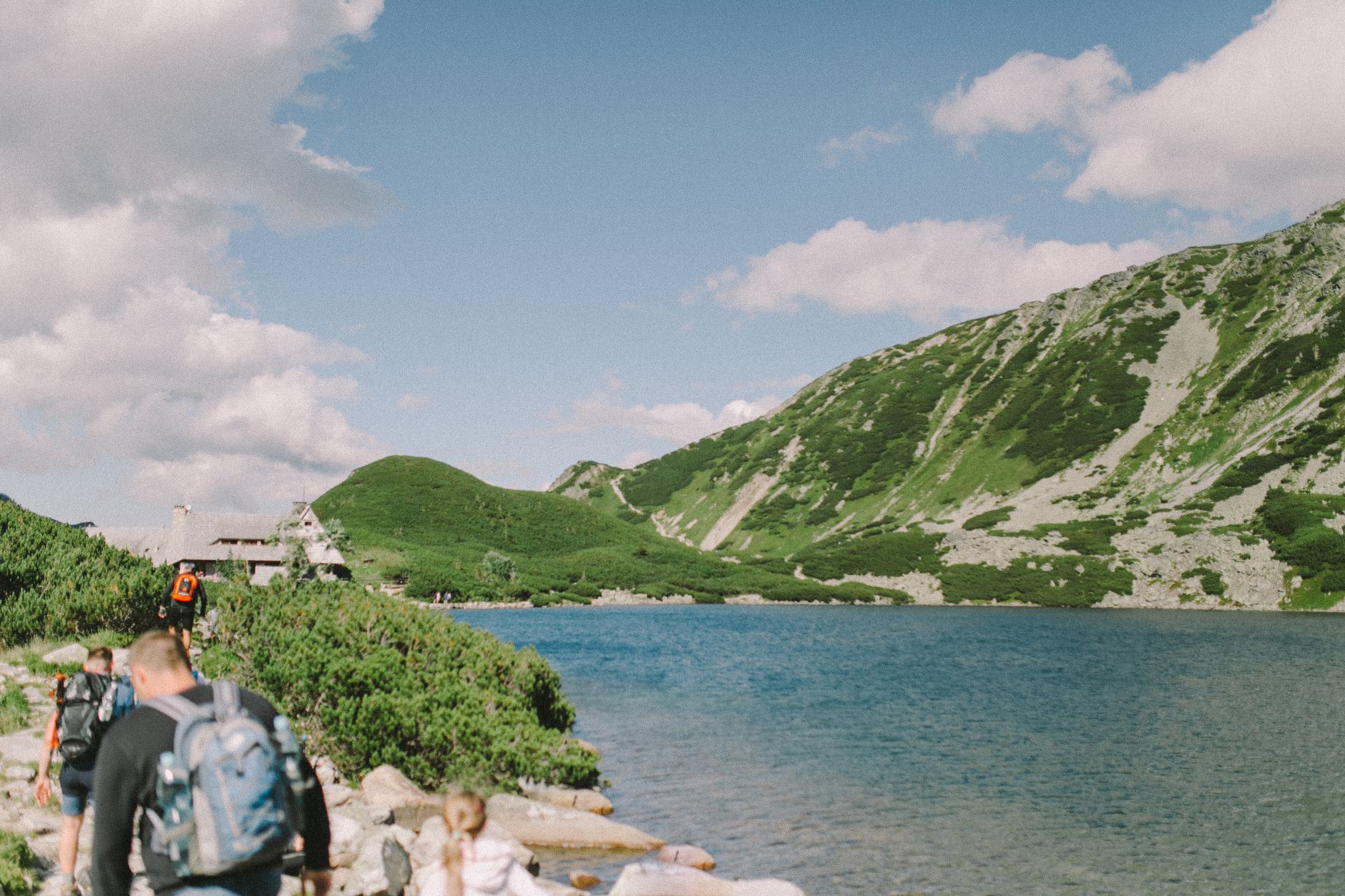
Banff National Park is a breathtaking destination in the Canadian Rockies that attracts outdoor enthusiasts and nature lovers alike. While the stunning scenery and myriad of activities beckon travelers, knowing what to wear is essential for an enjoyable experience during your August visit. This guide provides detailed insights on appropriate clothing and gear for Banff in August, ensuring you’re well-prepared for various activities.
August is typically the warmest month in Banff, with daytime temperatures ranging from 20°C to 25°C (68°F to 77°F). However, evening temperatures can drop significantly, so layering is key. Let’s dive into the specifics of what to wear to make the most of your trip.
What to Wear in Banff in August?
To effectively enjoy Banff’s diverse attractions in August, you’ll want to dress in layers that accommodate varying temperatures and weather conditions. The right clothing will help you stay comfortable while you explore the outdoors, dine, or relax.
Essential Clothing Items
- Base Layers: Start with moisture-wicking base layers that help regulate body temperature. Lightweight long-sleeve shirts and fitted long underwear can be useful for early morning hikes.
- Insulating Layer: Bring a lightweight fleece or a thin long-sleeved sweater for chilly mornings and evenings when the temperature can drop significantly.
- Outer Layer: A waterproof and breathable jacket is a must for unpredictable weather. Look for one that can withstand both rain and wind, as storms can occur even in August.
- Pants: Depending on your activities, consider moisture-wicking hiking pants or lightweight shorts. Convertible pants can offer flexibility in varying temperatures.
- Footwear: Sturdy, comfortable hiking boots are essential if you plan to explore trails. Ensure they are well-broken in to avoid blisters. Additionally, pack a pair of sandals or sneakers for casual outings.
- Accessories: Don’t forget sun hats, sunglasses, and a lightweight scarf to protect yourself from the sun and wind. A buff or neck gaiter can also provide extra warmth.
How to Choose the Right Footwear
Footwear can make or break your experience, especially in an outdoor haven like Banff. Here’s how to decide what shoes to bring:
Hiking Boots
Invest in a pair of high-quality hiking boots for more rigorous hikes. Ensure they offer good ankle support and a solid grip to tackle rocky and uneven terrain.
Trail Runners
For lighter trails or walking, trail runners can be a comfortable and breathable option, especially if you anticipate warm weather.
Casual Shoes
Casual walking shoes or sandals are great for exploring Banff town or visiting shops and restaurants. Look for options with arch support and cushioning for comfort.
Weather Considerations for August in Banff
August sees a mix of sun and occasional rain in Banff, making it vital to prepare for all types of weather. Here are some specifics to keep in mind:
Temperature Fluctuations
Daytime temperatures can feel warm, but nights can dip to around 10°C (50°F). Layering is the best strategy for comfort throughout the day.
Rain and Storms
Light rain and thunderstorms can occur, especially in the afternoons. Hence, keep your waterproof jacket handy and consider packing a compact travel umbrella.
Activities & Appropriate Clothing
Your choice of clothing may also depend on specific activities planned during your visit. Here’s a breakdown of what to wear based on popular activities in Banff:
Hiking
When hiking, opt for moisture-wicking clothes, including a breathable base layer and an insulating layer if necessary. Sturdy hiking boots are non-negotiable, alongside good-quality socks that prevent blisters. Carry a lightweight backpack for water, snacks, and your rain jacket.
Biking
If renting bicycles, wear comfortable activewear and sturdy sneakers or cycling shoes. Depending on the time of day and wind conditions, consider packing a windbreaker or light jacket.
Wildlife Viewing and Photography
For wildlife enthusiasts, muted colors in your clothing can help you blend into the surroundings and avoid startling animals. Bring layers, as early mornings in the park can be quite cool. Comfortable shoes for walking will also be crucial.
Dining Out in Banff
If you’re planning to visit upscale restaurants or local eateries, dress smart casual. Opt for mid-weight trousers or casual skirts, paired with stylish tops and comfortable, clean footwear.
List of Packing Essentials
Here’s a summary checklist to help you as you prepare your packing list for your trip to Banff:
- Moisture-wicking base layers (shirts and leggings/shorts)
- Lightweight fleece or thermal sweater
- Waterproof jacket
- Hiking pants and/or shorts
- Comfortable hiking boots
- Casual sneakers or sandals
- Extra pairs of socks (including hiking socks)
- Sun hat and sunglasses
- Warm beanie and gloves for colder evenings
- Lightweight scarf or neck gaiter
- Day pack for hiking
- Portable water bottle
Additional Packing Tips
Here are some practical tips to ensure your trip is comfortable and enjoyable:
- Don’t Overpack: Limit your clothing options to versatile pieces that can mix and match easily. Aim for layers to accommodate fluctuating temperatures.
- Check the Weather Forecast: Monitor the weather leading up to your departure, as conditions can vary widely. Adjust your packing list accordingly.
- Leave Room for Souvenirs: If you plan to bring back items, leave some space in your luggage for any purchases.
Where to Buy Clothing and Gear in Banff
If you find you need additional items after arrival, Banff offers several outdoor retailers and shops where you can safely purchase clothing and gear:
- Mountain Equipment Co-op (MEC): A popular choice among outdoor enthusiasts for an extensive range of clothing and gear.
- Banff Gear Rental: This shop offers rental gear for hiking, biking, and skiing.
- Local Boutiques: Many shops in downtown Banff sell casual wear, souvenirs, and outdoor apparel tailored to visitors.
Accommodation Considerations
Your choice of accommodation can also impact what you wear and pack. Consider the following:
Hotels & Lodges
Choose a hotel or lodge with laundry facilities if you plan to hike extensively. Being able to refresh your clothing will make for more comfortable days.
Hostels & Shared Accommodations
For budget travelers, hostels often have communal kitchens. This allows for packing fewer meals while experiencing local dining options.
Camping
If you choose to camp within Banff National Park, invest in high-quality outdoor gear, including a waterproof tent and durable sleeping bags. Review the gear requirements for your camping site.
Transportation Considerations
Banff National Park provides a free shuttle bus system during busy months. Here’s what to wear accordingly:
Clothes for the Shuttle
Wear comfortable layers as temperatures can fluctuate during the day. Additionally, consider practical shoes, as you may need to walk from the bus stop to various attractions.
Rental Cars and Bicycles
Dress comfortably for driving, especially if planning a long journey within the park. Ensure you have proper shoes too, as you may want to stop for spontaneous hikes or photo opportunities.
Health and Safety Tips
While preparing your clothing for Banff, consider the following health and safety tips:
Altitude Awareness
Banff sits at high altitude, which may affect individuals differently. Stay hydrated by drinking plenty of water, especially if planning to hike or engage in strenuous activities.
Wildlife Safety
When in the outdoors, be mindful of wildlife. Wear bright clothing to enhance visibility and reduce the risk of surprising animals.
Sun Protection
The sun can be strong at high altitudes, so apply sunscreen, even on cloudy days. Wearing UV-protective clothing and sunglasses is highly recommended.
Conclusion
Understanding what to wear in Banff in August will help you fully enjoy this magnificent destination. Layering is key to adapting to the variable weather, and appropriate footwear ensures comfort during outdoor activities. By following this guide, you’ll be well-prepared for your adventure.
As you plan your trip, be sure to explore more travel tips and guides related to Alberta, including activities in the stunning region of Canmore or other spectacular things to do in Alberta.