
Traveling to Japan is an exciting adventure filled with rich culture, delicious cuisine, and modern conveniences. But before you embark on this journey, it’s essential to prepare for the practicalities of your trip, starting with how to efficiently power your devices during your stay.
Understanding the types of plugs and voltage used in Japan can help ensure that your electronics won’t run out of power when you need them most. This guide will explain what plug types are used in Japan, important voltage considerations, and tips for using your electronics safely while traveling.
What Plug Does Japan Use?
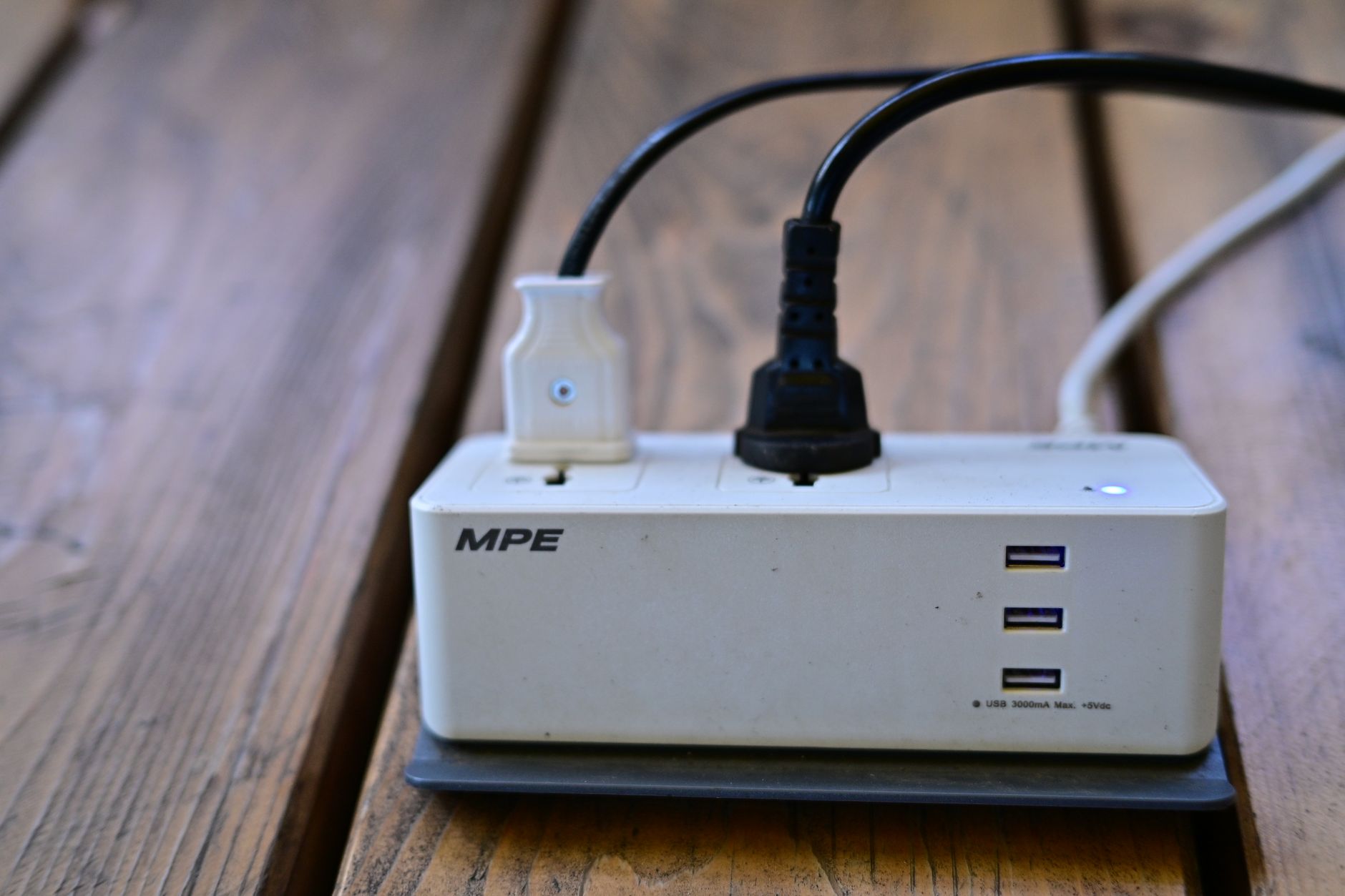
Japan primarily uses Type A and Type B plugs. Both of these plug types feature flat parallel pins. Type A has two flat pins, while Type B includes a third round pin for grounding.
The voltage in Japan is 100 volts, and the frequency is either 50 Hz or 60 Hz, depending on the region. It’s advisable to check your device compatibility before plugging in.
Understanding Plug Types
To ensure your devices work in Japan, here’s a brief overview of the plug types:
- Type A: This is the standard two-prong plug with flat parallel pins. It is commonly used in many countries, but you should confirm that your devices can handle the 100-volt output.
- Type B: Similar to Type A, this plug has an additional round pin for grounding. It’s mostly used for devices that require a stable power supply, such as computers and some larger electronics.
Dimensions of the Plugs
The dimensions for Type A and Type B plugs are standardized. The flat pins are typically 1.5 mm wide, and the spacing between the pins is about 12.7 mm. For any plug adaptors you might consider bringing, ensure they match these dimensions.
Voltage and Frequency in Japan
As mentioned, Japan uses a voltage of 100 volts. This is lower than standard voltage in many countries, such as the United States (120 volts) and Europe (230 volts). Consistently using higher voltage devices can result in damage to your electronics.
Be aware that the frequency in Japan differs by region. The eastern part of the country, including Tokyo, uses 50 Hz, whereas the western part, including Osaka, operates on 60 Hz. Devices that are frequency-sensitive may not function correctly if the frequencies differ.
Device Compatibility
Before you travel, check whether your electronics can handle the 100-volt supply. Most modern electronics like smartphones, tablets, and laptops are designed to operate within a range of voltages and should work in Japan without an issue.
If your device is not compatible with 100 volts, using a voltage converter or transformer will be necessary. Adapters will allow the plug to fit into the socket but won’t convert the voltage.
Identifying Device Voltage
To determine if your device is compatible, look for the voltage range printed on the charger or device itself. A range with “100-240V” means you are safe to use it in Japan. If it only mentions a specific voltage (e.g., “120V”), do not plug it into a Japanese outlet without a converter.
Using Travel Adapters
Travel adapters allow your plug to fit into the Japanese socket. Though Japan does not have a unique plug style that varies greatly, having a universal travel adapter can be beneficial if you’re visiting multiple countries with different plug types.
Look for adapters that can convert between Type A and Type B plugs, which will work for virtually any device you might bring. Additionally, select an adapter that includes USB ports for charging devices without taking up an outlet.
Practical Tips for Powering Up in Japan
- Purchase a Universal Travel Adapter: This is the best option as it covers multiple plug types, ensuring compatibility no matter where your travels take you.
- Carry a Power Bank: A portable charger is essential for keeping devices powered while you’re out and about exploring the country.
- Check with Accommodation: Many hotels offer universal outlets in their rooms, so verify with your accommodation if you need adapters.
- Use the Right Adapter: Ensure that your adapter explicitly lists compatibility with Type A and B plugs to avoid confusion.
When to Visit Japan
Timing is key for any trip to Japan, especially concerning power. While the plug types don’t change, electrical supply can vary during peak seasons like cherry blossom (spring) or autumn foliage when usage surges.
During these crowded seasons, it may be wise to plan your electronic device usage accordingly, ensuring you are not reliant on charging solely in your accommodation.
Budgeting for Electronic Needs
Depending on your needs, budgeting for adapters or converters can add to your travel expenses. Prices can vary significantly based on quality and brand; typically, you can expect to pay anywhere from $10 to $30 for a good travel adapter.
Additionally, the cost of purchasing a power bank can range from $20 to over $100 based on capacity, so factor this into your travel budget as well.
Where to Find Adapters in Japan
If you find yourself in Japan without necessary adapters or converters, fear not—stores in urban areas typically carry these essential items. Major electronics retailers, convenience stores, and even airports sell travel adapters. Local brands can be more affordable than international travelers might expect.
Alternatively, local e-commerce platforms, such as Rakuten or Amazon Japan, can provide an extensive selection for delivery.
Safety Considerations
Safety should always be prioritized while using electronics, especially when navigating different voltages and outlet designs. Follow these guidelines to use your devices safely:
- Confirm if your device and adapter can handle Japanese voltage.
- Use surge protectors to protect sensitive electronics.
- Do not daisy chain multiple devices into one outlet, as this can overload circuits.
Traveling with Children or Family
Traveling with kids often involves more devices—tablets, gaming consoles, or readers. If you are bringing these devices along, double-check their compatibility, and don’t forget to pack a suitable travel adapter.
Encourage kids to charge their devices overnight so that they are ready for use while touring, minimizing the need to search for plugs during busy days.
Conclusion
Understanding what plugs and voltage Japan uses is a vital part of planning your trip. Ensuring compatibility with your devices will allow you to stay connected and make the most of your travels without interruptions. By preparing ahead of time, you can enjoy your experience in Japan without the stress of electronic failures.
For more travel planning information, check out our articles on how much to travel to Japan or do you need a visa to go to Japan.