
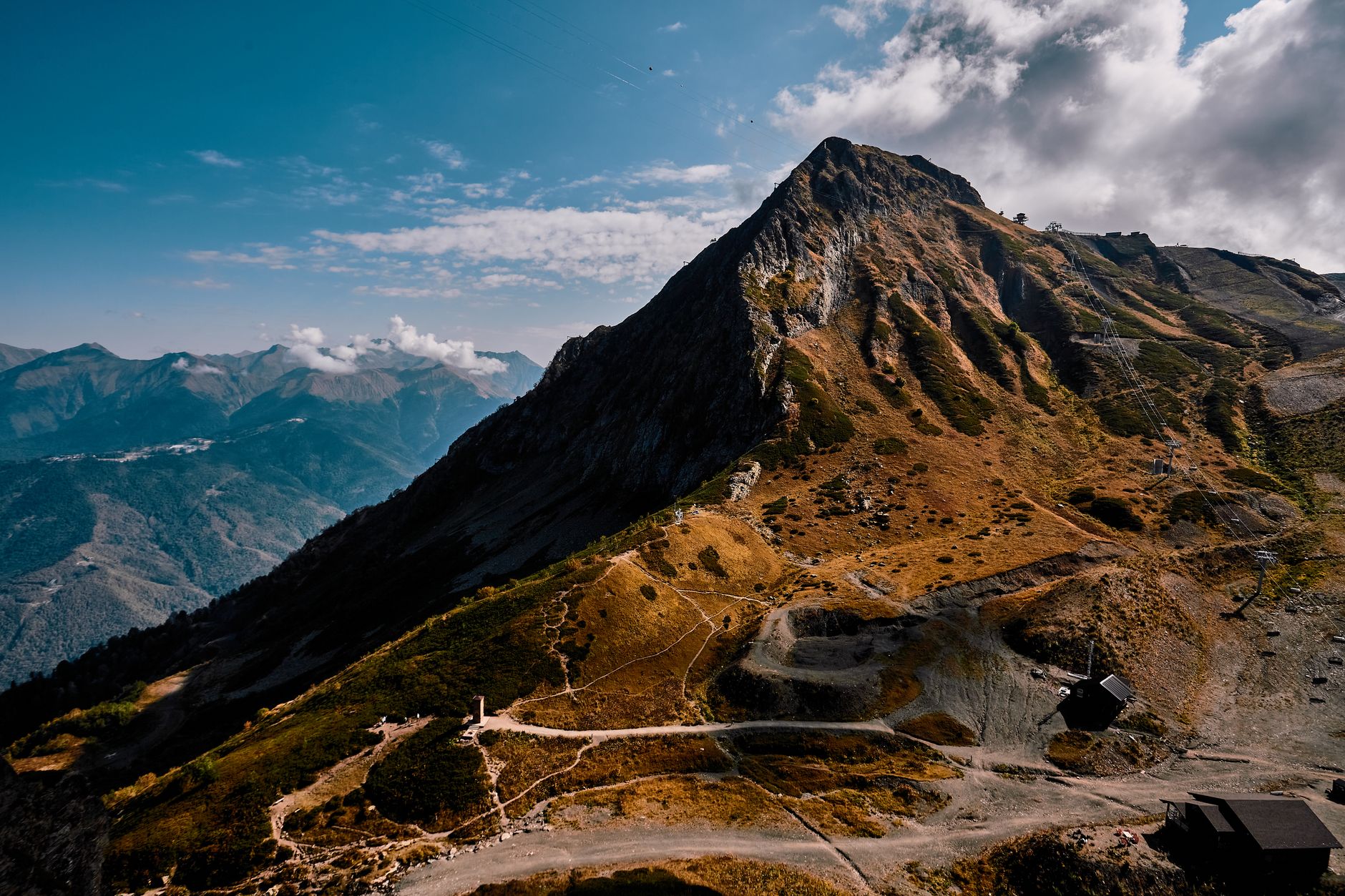
When it comes to the highest point in Africa, the crown goes to Mount Kilimanjaro, a majestic volcanic mountain located in Tanzania. Its towering peaks attract adventurers, climbers, and nature lovers from around the globe, eager to experience its remarkable landscapes and unique ecosystems. This comprehensive guide will cover everything you need to know for a successful trip to this iconic destination.
Rising to an elevation of 5,895 meters (19,341 feet) above sea level, Kilimanjaro is not just the highest mountain in Africa but also one of the Seven Summits, a popular challenge among mountaineers. Whether you are a seasoned climber or a novice hiker, Kilimanjaro offers a range of experiences, making it a must-see destination for travelers.
What Is The Highest Point In Africa?
The highest point in Africa is Mount Kilimanjaro, which stands at an impressive height of 5,895 meters (19,341 feet). It is located in Tanzania, near the border with Kenya. Known for its stunning vistas and diverse ecosystems, Kilimanjaro offers various trekking routes suitable for different skill levels.
Why Visit Mount Kilimanjaro?
Visiting Mount Kilimanjaro offers not only an opportunity to conquer Africa’s highest peak but also a chance to explore breathtaking scenery, unique wildlife, and rich cultural heritage. The experience can be rewarding for anyone from thrill-seekers to those looking to enjoy nature and indulge in local traditions.
The allure of Kilimanjaro lies in its diverse climate zones, which range from tropical rainforest at the base to alpine desert and icy summit. This variation allows for unique flora and fauna, and trekkers get to witness the changing landscapes as they ascend. Additionally, the vibrant culture of the Chagga people inhabiting the slopes enriches the experience, making it both an adventure and an educational journey.
Best Trekking Routes
Mount Kilimanjaro presents several established trekking routes, each with its own set of challenges and highlights. The primary routes include:
- Machame Route: Known as the “Whiskey Route,” this is a popular choice due to its beautiful scenery. It’s considered challenging and generally takes about six to seven days to summit.
- Marangu Route: Also known as the “Coca-Cola Route,” it’s the easiest and offers hut accommodation. The trek typically takes five to six days.
- Lemosho Route: This route is quieter and offers breathtaking views, taking around seven to eight days, which aids acclimatization.
- Rongai Route: This lesser-known route approaches Kilimanjaro from the north. It’s a good alternative during the rainy season and takes about six days.
- Umbwe Route: Known for its steep ascent, this route is for experienced trekkers. It offers stunning views but requires more endurance.
Choosing a route often depends on your fitness level, experience, and preferences. The longer routes generally increase your chances of successfully reaching the summit by allowing for better acclimatization.
Planning Your Trip to Kilimanjaro
When to Visit
The best times to hike Mount Kilimanjaro are during the dry seasons, from late June to October and from late December to February. These months generally provide clearer skies and more stable weather, ideal for hiking.
However, climbing during the rainy seasons (March to May and November) might present challenges such as muddy trails and unpredictable weather conditions. While these months can be less crowded, they can also lessen the overall experience.
Suggested Length of Stay
A typical trek on Kilimanjaro lasts between five to eight days, depending on the chosen route. Allow for additional days for travel, acclimatization, and rest. Thus, a total stay of about 10 to 14 days in Tanzania is advisable if you include excursions to nearby attractions such as the Serengeti National Park or Ngorongoro Crater.
Accommodation Options
Camping Options
Most treks will involve camping on the mountain. A tailored package with a reputable climbing company typically includes tents, sleeping bags, and meals for your adventure.
Hotel Accommodations in Moshi
Before and after your trek, you will likely stay in the nearby town of Moshi, which offers a range of accommodations:
- Budget Options: Hostels and guesthouses are widely available, providing simple accommodations at low rates.
- Mid-Range Hotels: Many mid-range hotels offer comfortable stays with amenities like pools and restaurants.
- Luxury Lodges: For a more upscale experience, lodges with stunning views of Kilimanjaro provide exceptional services and facilities.
Getting There and Transport Options
The primary gateway to Mount Kilimanjaro is Kilimanjaro International Airport (JRO), located about 45 kilometers from Moshi. You can fly into JRO from various international destinations, including major African hubs like Nairobi and Addis Ababa.
Transfers from the airport to your accommodation in Moshi can be arranged through your trekking company or booked separately. Local taxis and transport services are readily available as well.
Getting Around Moshi
In Moshi, you can use local taxis or ride-hailing apps to navigate the town. Walking is also a pleasant option as many attractions, markets, and eateries are located within the main area.
Budget Considerations for Climbing Kilimanjaro
Budgeting for your Kilimanjaro expedition is essential and can vary based on several factors:
- Trekking Costs: Trekking packages typically range from $1,500 to $3,000, depending on the route, duration, and included amenities.
- Flights: Round-trip flights will vary based on your origin but budget for approximately $600 to $1,200 from overseas hubs.
- Accommodation: Expect to spend between $30 and $150 per night based on your choice of lodging.
- Food and Drink: In addition to meals included in your trekking package, budget for other meals in Moshi, which can range from $5 to $20 per meal depending on the venue.
Overall, you might want to plan for a total budget of $2,500 to $5,000 for a comprehensive Kilimanjaro adventure, factoring in pre and post-trek activities.
Essential Packing List
Proper gear is crucial for a successful trek up Mount Kilimanjaro. Here’s a checklist to ensure you have everything you might need:
- Backpack (day-pack and large for trekking)
- Waterproof hiking boots
- Warm clothing, including thermal base layers, insulated jackets, and gloves
- Sun protection (sunscreens, sunglasses, hats)
- Headlamp with spare batteries
- Sleeping bag rated for cold temperatures
- Water bottles or hydration systems
- Snacks and energy bars
- First aid kit and personal medications
Depending on the season, adjust the quantity and type of clothing accordingly. It’s also recommended to check with your trekking company for any additional gear they might provide or suggest.
Safety and Health Considerations
Pursuing an adventure on Kilimanjaro requires attention to health and safety. It’s essential to acclimatize properly to avoid altitude sickness, which can affect anyone, regardless of fitness level. Symptoms include headaches, nausea, and dizziness.
Taking it slow, staying hydrated, and following your guide’s directions are vital strategies for avoiding altitude-related issues. It’s also wise to discuss any pre-existing health conditions with a medical professional before your trip.
Travel Insurance
Purchasing travel insurance that covers trekking at high altitudes is highly recommended. Ensure that it includes provisions for emergency evacuation, medical care, and personal belongings.
Cultural Considerations
Respect for local customs and traditions is crucial while in the Kilimanjaro region. As you trek and visit nearby villages, be polite and follow practices that show appreciation for their culture.
Learning a few Swahili phrases can enhance your interactions with locals. Simple greetings or expressions of thanks can go a long way in building rapport.
Nearby Attractions and Activities
After conquering Kilimanjaro, you may wish to explore additional attractions in the area:
- Safari Experiences: The Serengeti National Park and Ngorongoro Crater are easily accessible for safari adventures. Both locations offer remarkable wildlife experiences.
- Cultural Tours: Engage with local tribes, such as the Chagga, to learn about their lifestyle, traditions, and cuisine.
- Lake Manyara National Park: Known for its diverse ecosystems and birdwatching opportunities, it’s a great day trip from Moshi.
These experiences can provide a well-rounded understanding of the natural and cultural wealth that Tanzania has to offer.
Conclusion
Mount Kilimanjaro is a breathtaking destination that offers an unforgettable experience for adventurers of all levels. The journey not only tests your physical endurance but also immerses you in stunning landscapes and rich cultural interactions.
Whether you’re standing at the summit, gazing across Africa, or exploring the surrounding wonders, Kilimanjaro will undoubtedly leave a lasting impression. Begin planning your journey by confirming your preferred trekking route, booking accommodations, and preparing for the adventure of a lifetime.
Explore related destination guides and travel-planning articles for more ideas on your next adventure. Visit our guides on renting a Toyota Sienna or finding out how far Key West is from Islamorada.