
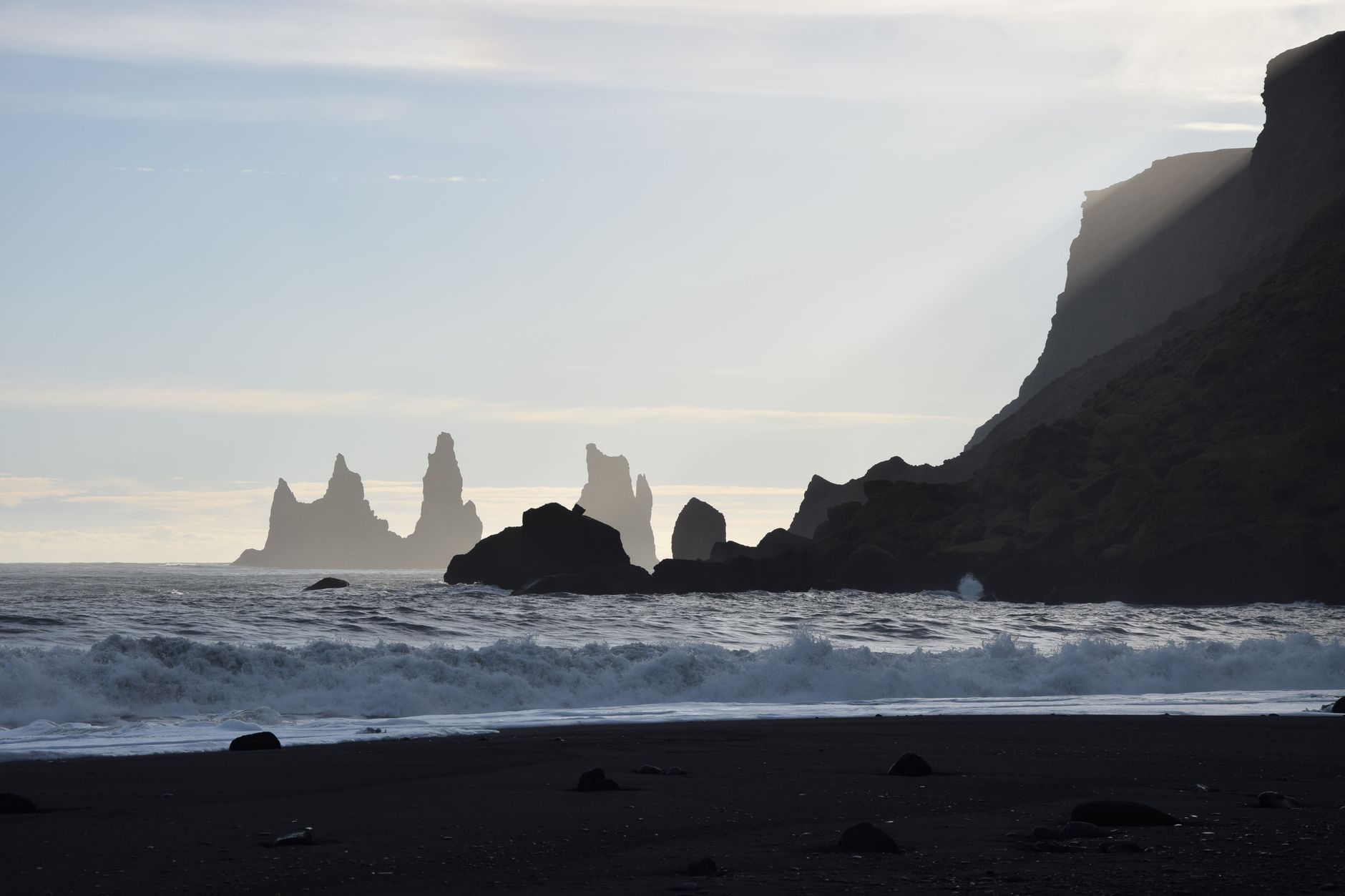
Choosing the best month to visit Iceland can significantly enhance your travel experience. The timing affects everything from the weather and daylight hours to the visibility of the Northern Lights. To help you decide, this guide outlines the various factors and events to consider when planning your trip.
From vibrant summer landscapes to serene winter wonderlands, each month offers unique opportunities for exploration. Below, we’ll dive into the specifics, helping you find the ideal month for your interests and travel style.
What Is The Best Month To Visit Iceland?
The best month to visit Iceland depends on your preferences for activities, weather, and experiences. For summer adventures, June is ideal for long days and outdoor activities, while October offers a chance to see the Northern Lights with fewer tourists.
Monthly Breakdown: What to Expect Each Month
January
January is one of the coldest months in Iceland, but it offers an enchanting winter landscape. While the daylight hours are limited, this is an excellent time for those who want to seek out the Northern Lights. Expect average temperatures around -1°C to 3°C (30°F to 37°F).
- Perfect for winter sports enthusiasts.
- Smaller crowds at popular attractions.
- Ideal for exploring ice caves and glaciers.
February
Similar to January, February features cold temperatures, but the days slowly start to get longer. It remains an excellent month for viewing the Northern Lights, and winter festivals often take place.
- Great for escaping the crowds of the summer tourist season.
- Perfect weather for snow-based activities.
March
March marks the end of winter and the beginning of spring, providing a perfect balance of winter activities and the chance to witness the Northern Lights. Temperatures start to rise, and the landscape begins to thaw.
- Longer days offer more sightseeing opportunities.
- Excellent for winter sports and early spring hikes.
April
April brings milder weather and the return of greenery to the landscape. It is famous for its changing weather and unpredictable conditions, making it a dynamic month to visit.
- Wildflowers begin to bloom, beautifying the scenery.
- Best month for birdwatching, especially puffins.
May
May is a fantastic month for those who love nature. The temperatures rise further, and the days become significantly longer, making it a great time for outdoor activities such as hiking, whale-watching, and exploring geothermal areas.
- Long days with almost 24 hours of daylight at the end of the month.
- Fewer tourists than in the summer months.
June
June is perhaps the best month for outdoor enthusiasts. The weather is mild, with average temperatures around 10°C to 15°C (50°F to 59°F), and the infamous Midnight Sun graces the country.
- Ideal for hiking, camping, and exploring the highlands.
- Perfect for enjoying various festivals and events.
July
July continues the trend of long days and mild temperatures, making it the peak tourist month. It’s ideal for those who want to maximize their outdoor experiences, but be prepared for larger crowds.
- Excellent conditions for exploring national parks.
- Perfect for experiencing Icelandic festivals.
August
August offers a continuation of summer warmth, although temperatures begin to cool slightly as the month progresses. The landscapes are still lush and vibrant.
- Great for hiking and enjoying the natural hot springs.
- Wild blueberries become ripe for picking!
September
September marks the transition to autumn. This month offers fewer tourists, milder temperatures, and the first signs of fall colors. It is also a great time for spotting the Northern Lights as the nights grow darker.
- Less crowded than the height of summer.
- Good weather for hiking while the landscape transforms.
October
October is a popular month for traveling to Iceland due to its crisp autumn weather. The chance to see the Northern Lights increases significantly as the nights lengthen, and the fall foliage is stunning.
- Fewer crowds and a peaceful atmosphere.
- Good conditions for photography.
November
November is typically cold, with increasing chances of snowfall. While daylight is limited, it is a great time for travelers hoping to witness the Northern Lights amidst the serene winter landscapes.
- Great chance to enjoy cozy cafes and hot springs.
- It is the start of the winter season, perfect for ski enthusiasts.
December
December offers a magical winter experience, characterized by festive decorations and holiday events. Although the days are short, with only about 4-5 hours of daylight, the chance to see the Northern Lights is at its peak.
- Perfect for experiencing Iceland’s holiday traditions.
- Excellent conditions for winter sports and activities.
Where to Go in Iceland by Season
The best sites to visit may change with the seasons due to weather conditions and accessibility. Below, explore top destinations and activities based on the month of your visit.
Summer Destinations: June – August
Summer is prime time for exploring the unique landscapes of Iceland. Some highlights include:
- Golden Circle: Experience Thingvellir National Park, Geysir, and Gullfoss Waterfall.
- South Coast: Visit Seljalandsfoss and Skogafoss waterfalls, Reynisfjara beach, and explore nearby towns.
- Westfjords: Discover stunning fjords, waterfalls, and secluded hiking routes.
Autumn Destinations: September – November
Autumn provides the best opportunity for photography and witnessing the changing foliage. Notable sites include:
- Þingvellir National Park: Marvel at fall colors around the tectonic plates.
- Snaefellsnes Peninsula: Perfect for seeing natural beauty and fewer crowds.
- Reykjavik: Experience the city’s cultural events and local cuisine.
Winter Destinations: December – February
Winter adventurers will love the icy allure of these months. Must-visit places include:
- Jökulsárlón Glacier Lagoon: Enjoy breathtaking icebergs and quiet surroundings.
- Reykjavik: Experience festive activities, food, and local traditions.
- Aurora Borealis hotspots: Head to less populated areas for optimal Northern Lights viewing.
How to Get Around Iceland
Transportation options in Iceland can vary significantly depending on the time of year and where you want to go. Here’s a breakdown of the best modes of transport for each month.
Car Rentals
Renting a car provides flexibility to explore at your own pace, making it a great choice for summer travel. In winter months, a 4×4 vehicle is recommended due to snow and icy conditions.
Public Transport
While buses provide a means to travel between major towns in summer, in winter, schedules may be less frequent. Cities like Reykjavik have reliable public transport options.
Guided Tours
Consider booking guided tours that focus on specific interests, from whale watching in summer to glacier hiking in winter. This can enhance the experience without having to worry about navigation.
Accommodation Options by Season
The range of accommodation in Iceland caters to every budget and preference. Here’s a breakdown of options by the season.
Summer Accommodations
During peak tourist season (June – August), it’s advisable to book accommodations in advance. Options include:
- Hotels: Various hotels in Reykjavik and along the Golden Circle.
- Guesthouses: Affordable options throughout the country.
- Camping: Popular among those seeking outdoor adventures.
Winter Accommodations
During winter, the choices remain plentiful but may require flexibility due to weather conditions. Consider:
- Cabins: Popular choices for families and groups.
- Hotels: Found mainly in larger towns.
- Hostels: Budget-friendly option for solo travelers.
Budget Considerations for Visiting Iceland
Iceland is known for its relatively high costs. Understanding how to budget can help make your journey smoother.
Average Costs
- Accommodation: Ranges widely based on the season. Expect to pay more during the summer.
- Food: Dining out can be expensive, so consider grocery shopping or preparing meals.
- Activities: Plan for entry fees to national parks or tourist attractions.
Practical Tips for Saving Money
- Travel in the shoulder seasons (April, May, September) for better rates.
- Purchase the Reykjavík City Card for discounts on attractions and public transit.
- Cook your own meals or try local street food for budget-friendly options.
Safety and Accessibility Tips
Understanding how to travel safely and responsibly in Iceland is crucial for a positive experience.
Safety Considerations
Iceland is relatively safe, but as with any travel destination, exercise caution:
- Avoid venturing too close to cliffs or unstable terrain.
- Always check weather conditions and road closures during winter.
Accessibility
While many popular attractions are accessible, some remote areas may pose challenges. Research beforehand, especially if traveling with specific accessibility needs.
Final Thoughts
Choosing the best month to visit Iceland ultimately boils down to personal preference. Each month offers something unique, and planning according to your interests can make your journey unforgettable. Whether you’re drawn to summer adventures or winter wonderlands, Iceland awaits.
No matter when you choose to explore, ensure you check the current weather conditions and book specific activities in advance to make the most out of your trip. Consider checking what to wear in Iceland in December or learn how often you can see the Northern Lights in Iceland to further enhance your travel planning.
Expand your travel planning by exploring our related destination guides and articles for even more insights.