
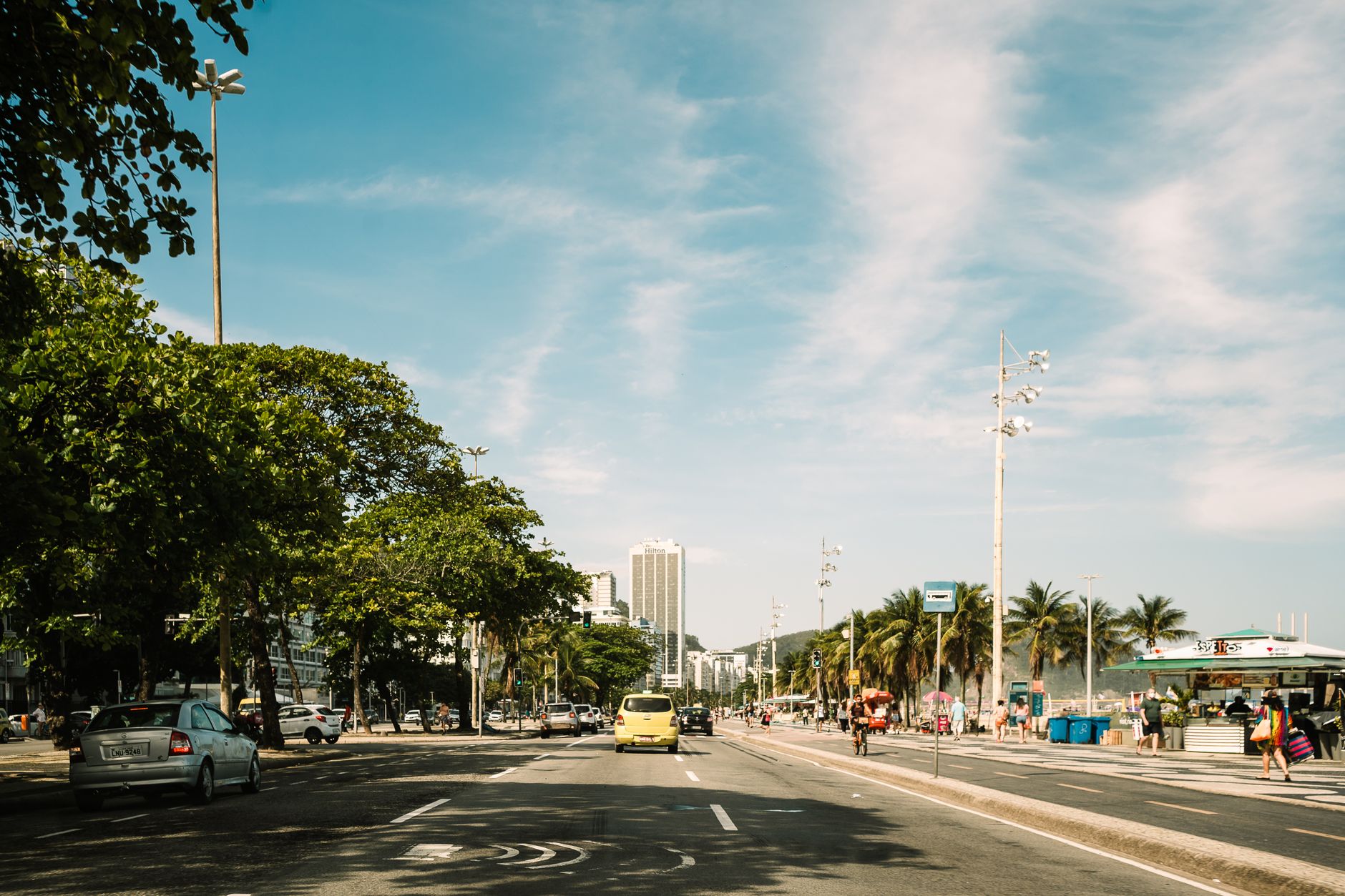
Driving can be a complex experience, especially when navigating urban settings where road design plays a significant role in safety and efficiency. One crucial aspect of driving that might often go unnoticed is the median. Understanding what a median is, how it functions, and its significance can enhance both your driving safety and overall experience on the road.
This article will explore the concept of a median in driving, explaining its various forms, purposes, and rules associated with them. Additionally, we will cover practical tips for driving safely around medians and the implications for both drivers and pedestrians.
What Is A Median In Driving?
A median in driving refers to the strip of land that separates opposing lanes of traffic on a roadway. Medians can take various forms, including concrete barriers, landscaping, or simply painted lines on the road, designed to prevent vehicles from crossing over into oncoming traffic. Their primary purpose is to enhance road safety by serving as a buffer zone between vehicles traveling in opposite directions.
Medians are typically found on roads with multiple lanes, such as highways, arterial roads, or busy city streets. They can be raised, painted, or even grass-covered, each type serving a specific purpose and providing different levels of safety and functionality.
Types of Medians
Understanding the different types of medians can help drivers navigate safely and effectively. Here are the three main types of medians you may encounter:
1. Raised Medians
Raised medians are physical barriers that elevate or protrude above the level of the roadway. They are usually made from concrete or asphalt and can also feature landscaping. Raised medians are effective at preventing accidents as they require more effort to cross, discouraging reckless driving.
2. Painted Medians
Painted medians are typically marked with paint or stripes on the road surface, indicating the division between opposing lanes of traffic. While they provide less physical separation than raised medians, they still serve as a visual cue to enhance driver awareness and safety.
3. Wide Medians
Some roads feature wide medians that can accommodate additional features such as left-turn lanes, pedestrian walkways, or even bicycle lanes. These medians not only separate lanes of traffic but also serve multiple purposes, enhancing both vehicular and pedestrian safety.
The Purpose of Medians
Medians serve several essential functions, greatly contributing to road safety and traffic flow. Below are some of the key purposes of medians:
- Traffic Separation: Medians act as a physical barrier that prevents collisions between opposing traffic. They keep vehicles separated, reducing the chances of head-on collisions.
- Turning and Merging: Width medians can provide left-turn lanes or space for merging traffic, allowing vehicles to enter or leave the roadway safely without impeding the flow of other vehicles.
- Pedestrian Safety: Medians can create safe zones for pedestrians, allowing them to cross busy streets in segments rather than all at once, reducing the risk of accidents.
- Visual Awareness: Medians increase road visibility by providing clear lines of division between lanes, promoting driver awareness and reducing distractions.
- Enhanced Aesthetics: Landscaped medians can improve the visual appeal of a roadway, contributing to urban beautification while also providing a buffer that separates different types of road users.
Driving Rules Associated with Medians
Understanding the rules surrounding medians is crucial for ensuring your safety and compliance with traffic regulations. Here are some common rules related to medians:
1. Turning Restrictions
Many roadways with raised or landscaped medians restrict certain types of turns to maintain safety and traffic flow. For instance, left turns may be prohibited at certain intersections. Be sure to pay attention to road signs and markings indicating these restrictions.
2. Lane Changes and Crossovers
Generally, it is illegal to cross over a median to change lanes or make a U-turn. Respecting the physical barriers of a median is crucial in preventing accidents and ensuring a safe driving environment. Always use designated turning lanes or intersections to navigate turns safely.
3. Speed Limits near Medians
In areas with medians, especially in urban or residential locations, speed limits might be lower. Abide by these limits, as they are established for the safety of both drivers and pedestrians, particularly where pedestrian crossings are present.
4. Pedestrian Crossings
Drivers should always be aware of designated pedestrian crossings, which frequently coincide with medians. Yield to pedestrians at these crossings and check for pedestrians before making any turns.
Best Practices for Driving Near Medians
Enhancing safety when driving near medians starts with awareness and good driving practices. Here are some useful tips:
- Be Aware of Road Signs: Always check for signs governing turns, lane changes, and speed limits near medians. These signs are crucial for guiding safe driving behavior.
- Use Turn Lanes Appropriately: When needing to turn at an intersection with a median, use designated turn lanes to avoid crossing the median improperly.
- Observe Pedestrian Activity: Watch for pedestrians approaching or utilizing crossings adjacent to medians. Be prepared to yield to them at all times.
- Maintain Safe Following Distance: Keep a safe distance from the vehicle in front of you, especially as you approach medians or intersections, to allow for sudden stops or changes in traffic flow.
- Be Cautious of Weather Conditions: Adverse weather conditions such as rain or snow can affect traction and visibility. Adjust your driving speed accordingly when navigating medians.
Accessibility Considerations
Medians can pose challenges for certain road users, particularly pedestrians, cyclists, and individuals with disabilities. It’s essential to consider accessibility features:
1. Pedestrian Crossings
Many medians are designed with pedestrian crossings that often include ramp access. Ensure these areas are well-marked and appropriately designed to accommodate people with mobility challenges.
2. Bicycle Lanes
In areas where there are wide medians, consider looking for dedicated bike lanes. These bike lanes can help ensure the safety of cyclists traveling alongside vehicular traffic.
3. Signals and Markings
Pay attention to traffic signals and road markings that indicate pedestrian and cyclist crossings near medians. Proper infrastructure can significantly improve safety for vulnerable road users.
The Role of Medians in Urban Planning
Medians play a significant role in urban planning and the development of transportation infrastructure. They provide not only traffic safety benefits but also enhance the overall efficiency of road networks. Here are a few considerations:
1. Traffic Flow Optimization
By incorporating medians into road designs, urban planners can strategically influence traffic patterns, reducing congestion by providing dedicated turn lanes and pedestrian paths.
2. Environmental Benefits
Landscaped medians can provide environmental benefits, including reducing heat by increasing green spaces and improving air quality. Properly designed medians can include native plants that require fewer resources to maintain.
3. Community Aesthetics
Incorporating attractive landscaping in medians contributes to the overall aesthetic of a community, enhancing the experience of residents and visitors. Thoughtfully designed medians can also boost local property values.
Common Mistakes to Avoid When Dealing with Medians
Here are some common mistakes drivers should avoid when navigating near medians:
- Failing to Yield: Always yield to pedestrians crossing at designated crossings by medians. Not doing so can lead to accidents.
- Improper Usage of Turn Lanes: Misusing turn lanes by turning without checking signs can lead to dangerous situations. Always follow traffic rules.
- Speeding: Driving above the posted speed limit near medians or areas with pedestrian traffic can increase the risk of accidents.
- Ignoring Road Markings: Road markings are designed to guide drivers. Ignoring them can create confusion and lead to unsafe behaviors.
Conclusion
Understanding the function and purpose of medians in driving is vital for ensuring safety on the road. Medians serve a primary role in traffic division, pedestrian safety, and enhancing the overall driving experience. Being mindful of the rules, driving near medians, and adhering to best practices can help you navigate the roads more safely.
For those looking to enhance their travel experiences, consider exploring topics such as how to choose the best rental car company and whether you can sleep in your car at a rest stop. Each aspect of travel can contribute significantly to the overall journey.