
Exploring the world often leads us to ponder a compelling question: which country boasts the most history? While each nation has its own unique historical narrative, several countries stand out due to their rich and extensive pasts. In this article, we will delve into some of these culturally significant destinations, offering insights on what makes them historically fascinating, what you can experience there, and practical tips for travel.
From ancient civilizations to modern history, the lingering presence of the past shapes the natural and cultural landscapes of these countries. Below, we’ll guide you through your travels in pursuit of historical knowledge.
What Country Has The Most History?
When considering which country has the most history, Egypt is often at the forefront due to its ancient civilization that dates back over 5,000 years. The pyramids, temples, and tombs illustrate a complex society that has enthralled visitors for centuries. Other historically rich countries include Greece, Italy, China, and India, each with profound influences on culture, philosophy, and governance.
Egypt: A Journey Through Ancient Civilizations
With its iconic structures and ancient temples, Egypt is a destination that transports visitors back to the days of pharaohs and gods. The history of Egypt is marked by significant achievements seen in its monuments, art, and written records.
Major Attractions
- The Pyramids of Giza: The last remaining wonder of the ancient world, the Great Pyramid is a must-visit.
- The Sphinx: Captivating and enigmatic, the Sphinx guards the pyramids and is steeped in mystery.
- Karnak Temple: One of the largest religious complexes globally, showcasing the grandeur of ancient Egypt’s architecture.
- The Valley of the Kings: The burial site of pharaohs, including Tutankhamun, this location is a testament to Egypt’s ancient funerary practices.
Travel Tips
Traveling around Egypt can be done via guided tours, which often provide historical insights that enhance your understanding. Opt for accommodations in busy tourism hubs like Cairo or Luxor for easy access to major sites. Ideal months for visitation are October to April, when the weather is cooler.
Greece: Cradle of Western Civilization
Renowned for its ancient ruins, Greece offers travelers a glimpse into the birthplace of democracy, philosophy, art, and science. The rich history of Greece is tangible, with numerous archaeological sites across the country.
Top Historical Sites
- The Acropolis: Dominating Athens’ skyline, this ancient citadel carries the ruins of several significant monuments, including the Parthenon.
- The Ancient Agora: The heart of civic life in ancient Athens, where political and social discussions flourished.
- Delphi: Once revered as the site of the Oracle, this archaeological site is imbued with myth and historical significance.
- Knossos: Situated on Crete, this is the largest Bronze Age archaeological site on the island, linked to the Minoan civilization.
When to Visit
The best time to explore Greece is during the spring (April to June) or fall (September to October), when temperatures are moderate, avoiding the peak tourist season of summer.
Italy: Layers of History
Italy holds centuries of history within its borders. From the grandeur of Rome to the Renaissance marvels of Florence, Italy is a living museum where every corner tells a story.
Essential Experiences
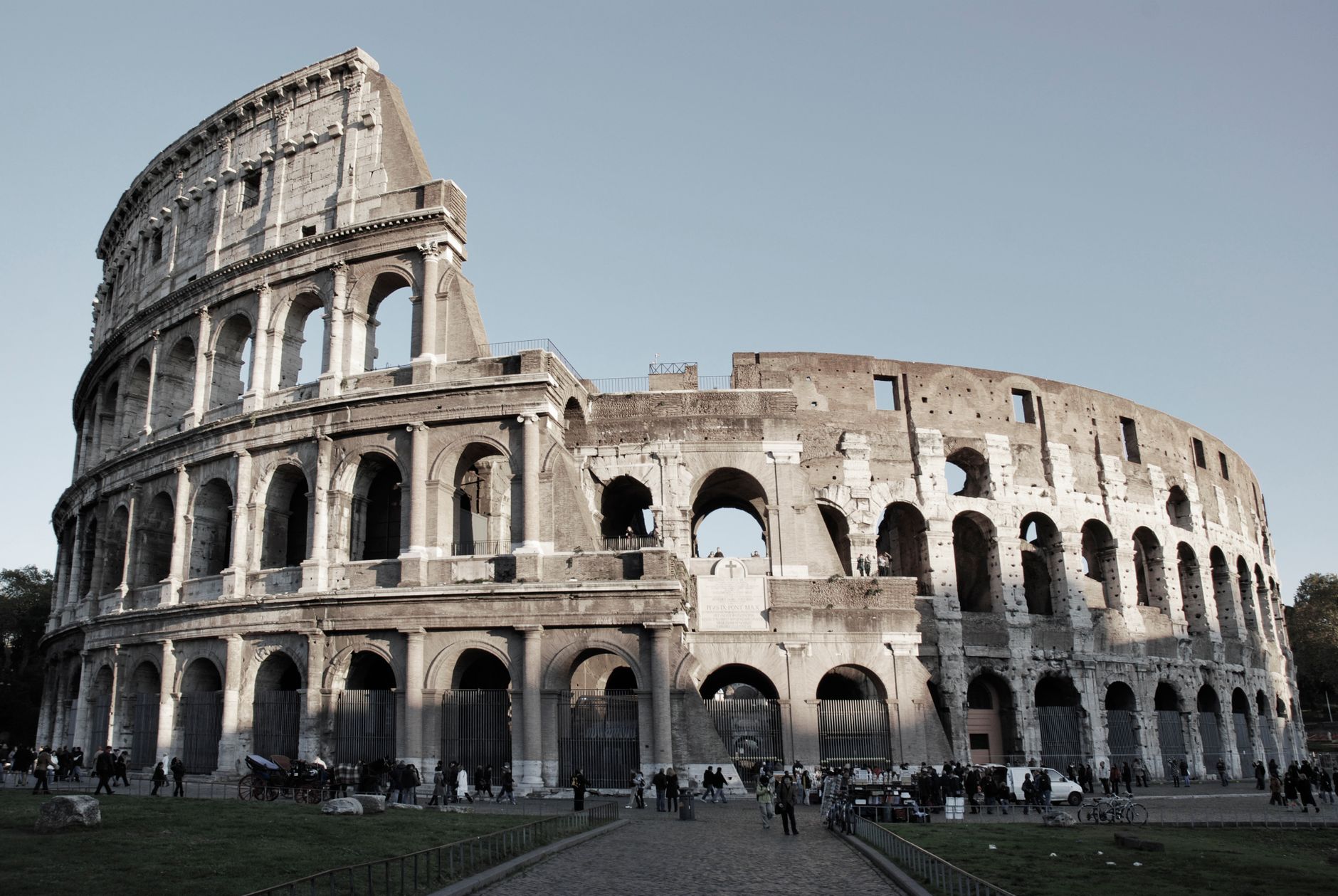
- The Colosseum: This ancient amphitheater is synonymous with Rome and exemplifies its architectural prowess.
- The Vatican City: A city-state filled with art, culture, and history, home to St. Peter’s Basilica and the Sistine Chapel.
- Pompeii: Once a thriving city, its tragic destruction offers a unique view into daily life during the Roman Empire.
- Florence’s Uffizi Gallery: Housing works from masters like Michelangelo and Botticelli, this gallery is key to Renaissance art.
Getting Around
Italy has an extensive train network connecting major cities, which is an excellent way to explore the country. Consider purchasing a rail pass for unlimited travel within a certain period. The ideal travel period is in spring or fall, when the weather is pleasant and tourist crowds are thinner.
China: A Civilization of Continuity
China’s history spans thousands of years, marked by dynasties, philosophies, and innovations. With ancient sites and cultures still thriving, China presents an intriguing contrast of the old meeting the new.
Unmissable Historical Sites
- The Great Wall: One of the most ambitious construction projects in history, stretching over 13,000 miles.
- The Forbidden City: A vast complex that served as the imperial palace for 24 emperors, now a UNESCO World Heritage site.
- The Terracotta Army: Thousands of life-sized figures that protect the tomb of China’s first emperor, Qin Shi Huang.
- The Summer Palace: An imperial garden showcasing exquisite architecture and landscaping.
Visiting Tips
Travel within China can be facilitated by high-speed trains, which connect various cities efficiently. Aim to visit during spring (March to May) or autumn (September to November) to avoid the extreme weather conditions.
India: A Land of Diverse Histories
India’s culture is a tapestry woven with rich histories, religions, and traditions. The country features numerous historical landmarks representing various eras and empires.
Highlights of Indian History
- The Taj Mahal: An architectural masterpiece and symbol of love, built by Mughal Emperor Shah Jahan.
- Qutub Minar: The tallest brick minaret in the world, representing Indo-Islamic architecture.
- Jaipur’s Amber Fort: A stunning blend of Hindu and Mughal architectural styles.
- Varanasi: One of the oldest continuously inhabited cities, pivotal in Hindu culture and spirituality.
Travel Tips for India
The best time to visit India is from October to March when the weather is generally more comfortable. Domestic flights and trains are relatively inexpensive, making it easier to cover vast distances.
Transportation Options for Historical Exploration
Exploring these historically rich countries requires effective transportation for seamless travel between attractions. Here are common options to consider:
- Public Transport: Cities like Rome and Athens offer extensive public transportation systems, including buses and subways.
- Rental Cars: Ideal for exploring rural areas or places not well connected by public transport, particularly in Italy and Greece.
- Guided Tours: In places like Egypt and India, organized tours can offer deep insights into historical contexts that enhance the experience.
- Walking: Many historic areas are pedestrian-friendly, providing a chance to absorb local atmospheres and sights.
Accommodation: Where to Stay
Your choice of accommodation can significantly influence your historical travel experience. Here are suggestions for each country:
Egypt
- Cairo: Hotels with views of the Nile or the pyramids can enhance your stay.
- Luxor: Consider a hotel near Valley of the Kings for easy access to historical sites.
Greece
- Athens: Opt for hotels in Plaka for a charming atmosphere close to Acropolis.
- Crete: Stay in Chania for both historical significance and beautiful beaches.
Italy
- Rome: Look for hotels near Termini Station for convenient access to historical sites.
- Florence: Stay near the historic center to immerse yourself in Renaissance culture.
China
- Beijing: Book a hotel in the Dongcheng District for quick access to the Forbidden City.
- Xian: Choose accommodation near the city walls for historical exploration.
India
- Agra: Consider hotels with views of the Taj Mahal for a memorable stay.
- Jaipur: Look for heritage hotels that reflect the city’s royal history.
Budgeting for Your Trip
Budgeting is essential for effectively planning your historical travels. Here’s what to expect in terms of costs in some of the highlighted countries.
General Cost Overview
- Egypt: A mid-range traveler might allocate around $50–$100 per day, including accommodation and meals.
- Greece: Expect to spend approximately $70–$150 daily for meals, activities, and lodging.
- Italy: Daily expenses can range from $100 to $200, depending on region and lifestyle.
- China: A budget of $50–$120 per day should suffice for a comfortable visit.
- India: Daily expenses can be around $30–$70, but can vary widely based on location and interests.
Accessibility and Safety Considerations
When embarking on your historical journey, it’s vital to consider accessibility and safety measures in each country. Here are some practical points:
- Accessibility: Many historical sites offer guided access for those with mobility impairments, though some ancient structures may present challenges.
- Safety: Always check travel advisories for your specific destination. Familiarize yourself with the local emergency protocols and carry essential support documents.
- Health Precautions: Research necessary vaccinations and health considerations before traveling. Always ensure you have access to health insurance that covers international travel.
Exploring these countries will give you a profound appreciation for the written and unwritten stories they harbor. By planning ahead, considering transportation options, budgeting appropriately, and taking safety precautions, you can enjoy an enriched historical expedition.
The remarkable narratives and achievements of Egypt, Greece, Italy, China, and India offer endless opportunities for travelers. Whether you’re tracing the steps of pharaohs, philosophers, or empires, each country has a wealth of experiences waiting for you.
To continue your travel planning, consider exploring more related guides. Check out what currency does Rome use or discover what is modern-day Troy for additional insights that will enhance your trip planning.