
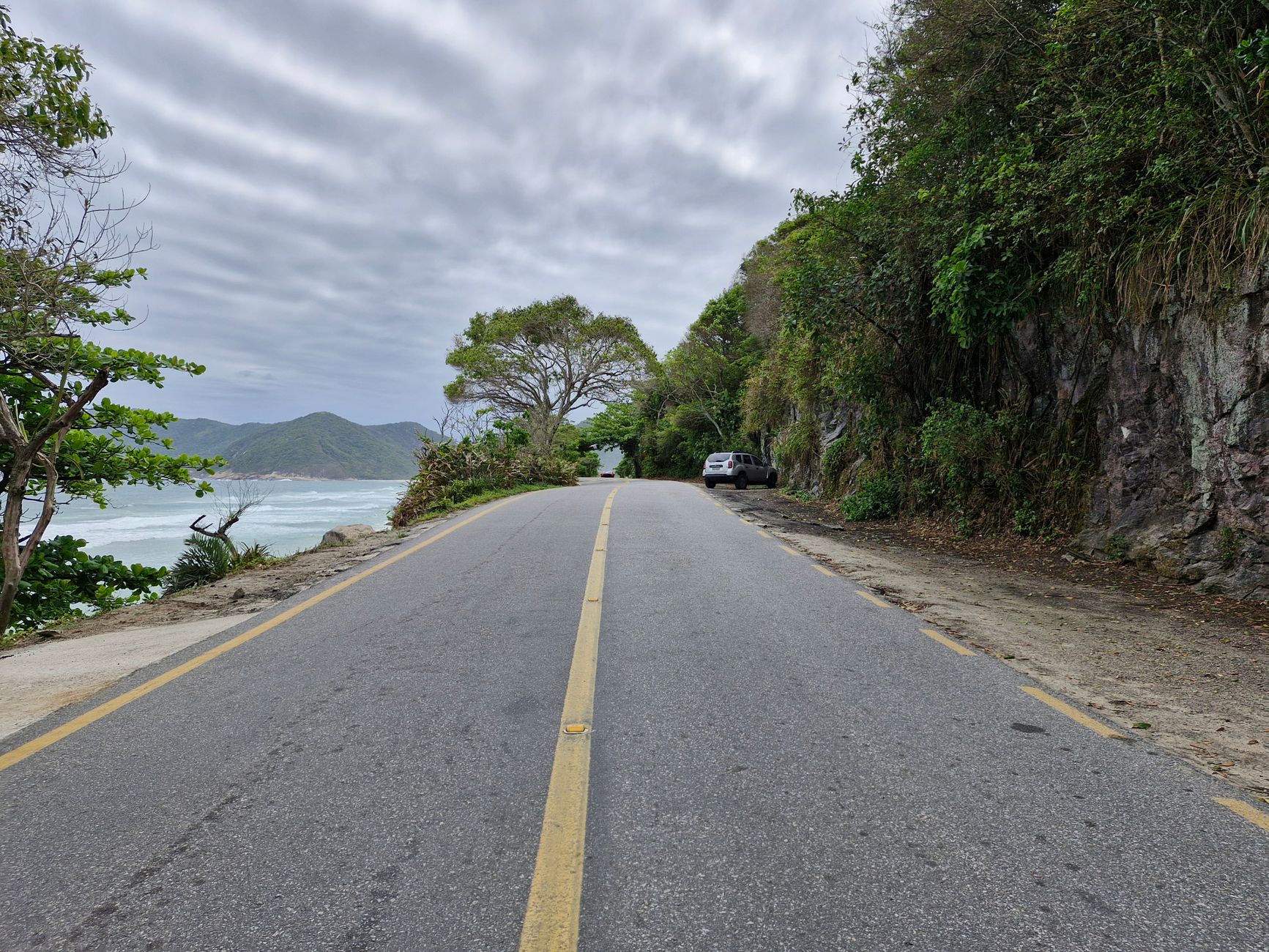
Florida, known for its stunning coastline and vibrant beach culture, offers various unique experiences for sunlight seekers and adventurous spirits. One of the most exciting aspects of enjoying Florida’s beaches is the ability to drive directly onto the sand, allowing for a personalized beach day with convenient access and flexibility.
This guide will detail the various beaches in Florida that allow for vehicular access, outlining their unique features, essential tips for visitors, and what to expect at each location.
What Beaches Can You Drive On In Florida?
In Florida, several beaches permit driving on the sand, including Daytona Beach, Cocoa Beach, and St. George Island. These beaches offer a unique blend of sun, surf, and accessibility, catering to families, adventurers, and those looking for a relaxing day by the ocean.
Popular Beaches Where You Can Drive On Sand
Here are some of the most notable beaches in Florida where driving is permitted:
1. Daytona Beach
Daytona Beach is perhaps the most famous beach for driving in Florida. Known for its long stretches of soft sand, this beach allows vehicles to drive on specific sections giving you direct access to the ocean waves.
- Location: Near the city’s central area, easily accessible from U.S. Route 92 or A1A.
- Driving Area: A designated driving area is available, typically near the main beach entrance.
- Fees: A fee is charged for accessing the beach with a vehicle; check local signage for current rates.
- Activities: Additionally, visitors can enjoy surfing, sunbathing, and local events like bike weeks.
2. Cocoa Beach
A bit to the south of the cape, Cocoa Beach offers a beautiful landscape dotted with piers, surf shops, and dining options. Driving is allowed for a particular section, making it an excellent spot for families who want to pack up everything for a beach day.
- Location: Situated just east of Cape Canaveral, off State Road 520.
- Driving Area: Vehicles can drive on the sand at Minutemen Causeway Beach Access.
- Fees: There is typically no fee for driving, but parking fees apply.
- Activities: Popular for surfing, sunset watching, and visiting the iconic Cocoa Beach Pier.
3. St. George Island
St. George Island beaches provide a more tranquil and remote atmosphere. The ability to drive on the beach enhances this peaceful escape, making it a favorite destination for many visitors looking for natural beauty without the crowds.
- Location: Located in the Gulf Coast, accessible via U.S. Highway 98.
- Driving Area: Most of the beach permits vehicle access, but check local regulations.
- Fees: Beach driving permits are available; confirm current requirements.
- Activities: Great for fishing, kayaking, and wildlife watching.
4. Fort De Soto Park
Fort De Soto Park is praised for its natural beauty and history. The park features multiple access points for driving to the beach, where visitors can enjoy some of the most pristine surroundings in the area.
- Location: Situated in Pinellas County, accessible via the Sunshine Skyway Bridge.
- Driving Area: Appropriate areas are designated for driving to the beachfront.
- Fees: There is a nominal entry fee for the park; specific areas for beach driving may have additional charges.
- Activities: Popular activities include picnicking, hiking, and bird watching.
5. Amelia Island
Amelia Island provides a unique combination of Southern charm and beautiful scenery. Driving on the beach is allowed at various points, creating a delightful experience for all visitors.
- Location: Located northeast of Jacksonville, easily accessed from Interstate 95.
- Driving Area: Vehicles are permitted on specific sections of the beach.
- Fees: Beach access is typically free; however, parking fees may apply.
- Activities: Great for kayaking, horseback riding, and exploring historic sites.
Tips for Driving on Florida Beaches
Before heading out for a beach drive, consider these essential tips for a safe and enjoyable experience:
- Check Local Regulations: Be aware of the specific rules and restrictions at each beach regarding vehicle access, permitted times, and driving speed.
- Park Responsibly: Make sure to park in designated areas and respect the beach environment.
- Watch the Tide: Tides can significantly affect beach conditions; it’s wise to check tide schedules and avoid getting stuck.
- Prepare for Emergencies: Ensure your vehicle is equipped for beach driving, including a spare tire, water, and other essentials.
- Respect Wildlife: Keep an eye out for nesting birds and other wildlife; avoid driving in sensitive areas.
What to Bring for a Beach Drive
Packing correctly ensures a fun and relaxing beach day. Here’s a practical checklist for your beach drive:
- Beach chairs and umbrella
- Cooler with drinks and snacks
- Sunscreen and sunglasses
- Towels and swimwear
- Beach games (like frisbees or volleyball)
- First-aid kit
- Camera or smartphone for capturing memories
- Trash bags for cleaning up after yourself
When to Visit Florida Beaches
Beach driving can be enjoyed year-round in Florida, but the experience varies seasonally, affecting the overall environment, weather, and visitor traffic.
- Spring (March to May): Ideal for pleasant weather and fewer crowds. Great for outdoor activities.
- Summer (June to August): Hot and humid, with increasing visitation; expect lively beach scenes and events.
- Fall (September to November): Warm temperatures continue, and visitors decrease, creating a more serene environment.
- Winter (December to February): Mild weather; while some areas are less crowded, it’s less ideal for swimming.
Accommodation Near the Beach Driving Spots
Choosing suitable accommodation close to your beach driving destination enhances your experience. Here are some accommodation types to consider:
Hotels and Resorts
Many beachfront hotels and resorts offer direct access to the sands. Look for options that specifically market proximity to beaches allowing vehicle access.
Vacation Rentals
Platforms like Airbnb and Vrbo feature plenty of vacation rental options ranging from beach houses to cozy condos, perfect for family trips or group getaways.
Camping and RV Parks
If you enjoy a more rugged experience, consider camping near beach-accessible areas. Some beaches have designated camping facilities that allow RV access.
Driving Safety Considerations
Driving on the beach requires additional safety precautions. Here are some key safety considerations:
- Speed Limits: Adhere to all speed limit signs to ensure the safety of both pedestrians and vehicles.
- Watch for Soft Sand: Avoid driving in areas where the sand looks loose; it can bog down your vehicle.
- Know Your Vehicle: Ensure your vehicle has adequate tires and is capable of handling beach conditions.
Conclusion
Driving on the beach in Florida is a delightful way to enjoy the sun, surf, and sand, providing convenience and a chance to customize your beach experience. With numerous beautiful beaches offering this unique opportunity, planning your perfect beach day has never been easier!
For further reading, check out our guides on how far Cocoa Beach is from Port Canaveral or learn about how many bridges connect Miami to Key West.