
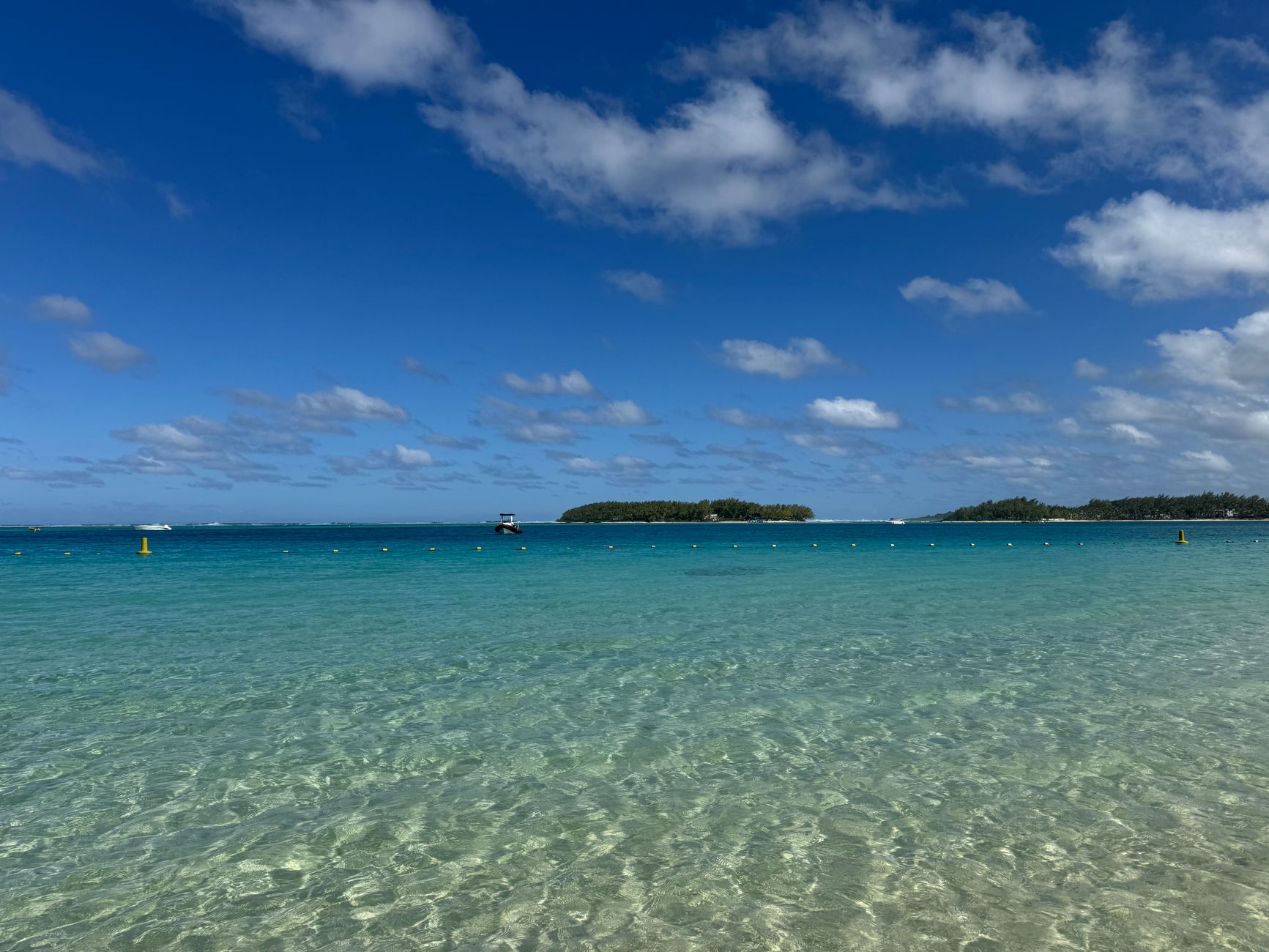
The Galapagos Islands are an extraordinary archipelago renowned for their astonishing biodiversity and unique ecosystems. Situated in the Pacific Ocean, the islands are a prime destination for nature lovers, adventure seekers, and anyone curious about the wonders of wildlife. One of the most frequent questions travelers have is regarding the sovereignty of these remarkable islands: to which country do the Galapagos Islands belong?
The Galapagos Islands belong to Ecuador. They are part of a province called Galápagos, and the islands play a crucial role in the country’s tourism, conservation, and ecological research efforts. Understanding their connection to Ecuador is essential for travelers planning to visit this captivating destination.
What Makes the Galapagos Islands Worth Visiting?
The Galapagos Islands stand out for their unparalleled beauty and diverse wildlife. Here are several reasons why they are worth visiting:
- Unique Wildlife: The islands are home to species found nowhere else on Earth, including the Galapagos tortoise, marine iguanas, and blue-footed boobies.
- Incredible Ecosystems: Visitors can explore various ecosystems, from arid islands to lush highlands, each hosting distinct flora and fauna.
- Rich Historical Significance: The geological origins and biodiversity inspired Charles Darwin’s theory of evolution by natural selection, making it a significant site for science and education.
- Adventure Activities: The islands offer an array of activities such as snorkeling, diving, hiking, and wildlife watching that cater to adventure enthusiasts.
When to Visit the Galapagos Islands
The Galapagos Islands can be visited year-round, but the best time to go depends on personal preferences regarding weather and activities. Here are some considerations:
Seasons and Weather
- Warm Season (December to May): This period also features higher temperatures and more rainfall, making it ideal for swimming and snorkeling.
- Cool Season (June to November): The weather is cooler and drier, with optimal conditions for wildlife viewing, particularly for birds and marine life.
Suggested Length of Stay
A typical visit to the Galapagos Islands ranges from four to seven days, allowing sufficient time to explore various islands and partake in different activities. Consider allocating your time based on the specific islands you wish to visit and the experiences you want to have.
Getting There and Around the Galapagos Islands
Reaching Ecuador
Most travelers will start their journey in Quito or Guayaquil. International flights to these cities connect with major airports worldwide. From either city, you can find domestic flights to the Galapagos:
- Quito (UIO) to Baltra (GPS): Usually takes about 2.5 hours.
- Guayaquil (GYE) to Baltra (GPS): Typically around 1.5 hours.
Transportation Within the Islands
Once you arrive in the Galapagos, getting around may vary depending on your itinerary:
- Inter-Island Ferries: These are common for traveling between major islands like Santa Cruz, San Cristobal, and Isabela.
- Tourist Yachts and Cruises: Many visitors opt for cruises that provide guided tours to several islands.
- Rental Cars, Bicycles, and Taxis: Available on the larger islands like Santa Cruz for local exploration.
Top Attractions and Experiences in the Galapagos Islands
The Galapagos Islands offer a myriad of attractions and experiences, each showcasing the archipelago’s natural beauty and unique wildlife. Here are some highlights:
Galapagos National Park
Covering most of the land area, the Galapagos National Park is a UNESCO World Heritage Site. Highlights include:
- Santa Cruz Island: Explore the highlands, see giant tortoises in their natural habitat, and visit the Charles Darwin Research Station.
- Isabela Island: Known for its breathtaking scenery and opportunities to see marine iguanas and flamingos.
- Española Island: Famous for its unique bird species, including the famous waved albatross (from April to December).
Wildlife Watching
For wildlife enthusiasts, the Galapagos Islands offer incredible opportunities to see animals in their natural habitat:
- Snorkeling and Diving: Encounter sea lions, colorful fish, and even sharks in crystal-clear waters.
- Bird Watching: Perfect conditions to observe many endemic bird species, including finches and herons.
Beach Relaxation and Water Activities
The islands boast stunning beaches, ideal for relaxation or various water activities:
- Gardner Bay, Española: Renowned for its picturesque beaches and opportunities for snorkeling.
- Tortuga Bay, Santa Cruz: Perfect for kayaking, swimming, and sunbathing with a chance to spot marine iguanas.
Accommodation on the Galapagos Islands
Choosing where to stay in the Galapagos Islands will depend on your budget and travel style. Here’s a breakdown of options:
Hotels and Lodges
There are a variety of comfortable hotels and lodges throughout the islands, ranging from budget to luxury. Popular choices include:
- Santa Cruz Island: Offers hotels that cater to different budgets, from hostels to mid-range and luxury options.
- San Cristóbal Island: Home to eco-friendly lodges and quaint guesthouses.
Cruise Options
For an immersive experience, consider a Galapagos cruise. Options range from luxurious yachts with all-inclusive services to budget-friendly boats. The choice often hinges on:
- Duration: Cruises usually last from four to fourteen days.
- Itinerary: Choose a cruise that aligns with the islands you wish to explore.
Budget Considerations in the Galapagos Islands
Traveling to the Galapagos can be expensive, but with good planning, visitors can manage their budget. Here’s a quick guide:
Cost Breakdown
- Travel Costs: Round-trip flights to Ecuador, plus domestic flight costs to the islands. Ticket prices vary, so check multiple airlines.
- Accommodation: Expect to pay anywhere from $30 per night for budget options to $300+ for luxury lodges.
- Food and Drink: Dining out can range from inexpensive local meals ($5-15) to fine dining experiences ($30+).
- Activities and Tours: Factor in costs for guided tours, snorkeling, or diving excursions, which can range from $50 to several hundred dollars.
What to Pack for the Galapagos Islands
When preparing for a trip to the Galapagos Islands, it’s important to pack thoughtfully. This packing guide can assist you in choosing the right items:
Clothing Essentials
- Lightweight, breathable clothing suitable for hot weather.
- A swimsuit and rash guard for water activities.
- Comfortable walking shoes or hiking sandals.
- Light jacket or sweater for cooler evenings.
- Rain gear for potential showers, especially in the wet season.
Other Essential Items
- Sunscreen with high SPF, sunglasses, and a wide-brimmed hat.
- Reusable water bottle to stay hydrated.
- Snorkeling gear if you prefer your own equipment, though rentals are available.
- Binoculars for wildlife watching.
- A small backpack for day trips and excursions.
Practical Travel Tips for Visiting the Galapagos Islands
To ensure a memorable and hassle-free experience, consider these practical travel tips:
- Plan in Advance: Due to the limited accommodation options, booking flights and lodging well ahead of time is crucial.
- Respect Wildlife: Always maintain a safe distance from animals and follow local guidelines to minimize your impact.
- Stay Hydrated: The sun can be intense, especially during outdoor activities, so ensure you’re drinking plenty of water.
- Travel Insurance: Consider purchasing travel insurance that covers cancellations, medical emergencies, and other unforeseen issues.
Accessibility Considerations
The Galapagos Islands are generally accessible for all travelers, but some points to consider include:
- Some trails and locations might not be suitable for those with mobility impairments.
- Cruise and tour operators vary in terms of accessibility—check in advance if specific accommodations are needed.
Safety Tips for Travelers
Safety is paramount when traveling, especially in remote areas. Here are essential safety considerations for the Galapagos Islands:
- Health Precautions: Consult a physician regarding vaccinations and medications before your trip, especially for any outdoor activities.
- Stay Informed: Check local travel advisories and stay updated on weather conditions.
- Wildlife Precautions: Avoid touching or feeding wildlife, as it can be harmful to both you and the animals.
The Galapagos Islands provide a unique travel experience that showcases the beauty of nature and the importance of conservation. By understanding the islands’ connection to Ecuador, planning ahead, and embracing the adventure, visitors can create unforgettable memories in this extraordinary ecosystem.
Explore related destination guides and travel-planning articles to enhance your travel knowledge. Check out our resources on Beeviitus Islands and discover Belize for more travel inspiration.