
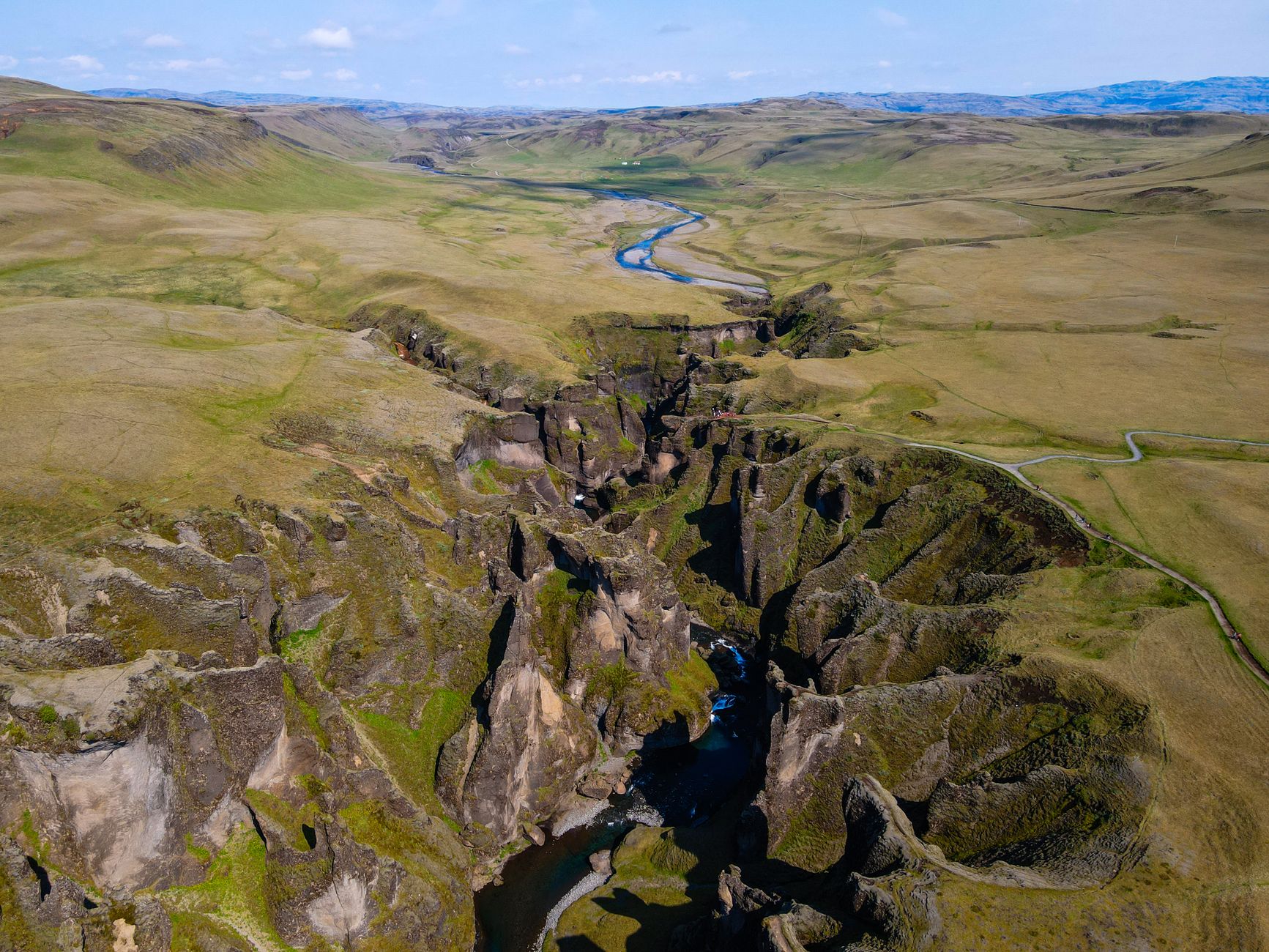
The Grand Canyon is one of the most iconic natural wonders in the United States, drawing millions of visitors each year. But is it a mountain? Understanding the geography of this magnificent landscape is crucial for planning your visit and knowing what to expect when you arrive.
The Grand Canyon is primarily a vast canyon carved by the Colorado River, not a mountain. It features steep cliffs and sprawling vistas that can make it appear mountainous in some respects, especially from certain angles. In this article, we will explore the Grand Canyon’s geography, its attractions, and practical tips for visiting.
Is The Grand Canyon A Mountain?
No, the Grand Canyon is not a mountain. It is a massive canyon that results from the erosion of rock layers over millions of years by the Colorado River. However, it features steep cliffs and high plateaus that give it a mountainous appearance. Its elevation ranges approximately from 2,400 feet (730 meters) at the canyon floor to around 7,000 feet (2,130 meters) at the rim, enhancing its grandiosity.
The Grand Canyon is divided into various sections, including the North Rim, South Rim, and the Inner Canyon, each offering unique perspectives and experiences. Visitors can explore scenic viewpoints, hiking trails, and various activities that cater to different adventure levels.
Why Visit The Grand Canyon?
The Grand Canyon is an essential destination for nature lovers, adventure seekers, and anyone looking to immerse themselves in breathtaking landscapes. The unique geology, stunning views, and various outdoor activities make it a paradise for explorers.
Some reasons to visit include:
- Stunning Scenic Views: The Grand Canyon offers unparalleled views of multi-colored rock formations and vast landscapes.
- Wildlife Watching: Home to diverse wildlife, visitors can spot animals like elk, deer, and various bird species.
- Outdoor Adventures: Opportunities abound for hiking, rafting, rock climbing, and even helicopter tours.
- Cultural Significance: Learn about the history and significance of the canyon to Native American tribes.
How to Get There
Reaching the Grand Canyon is relatively straightforward, with several access points depending on where you plan to visit. The two most popular rims are the South Rim and the North Rim, with the South Rim being more accessible year-round.
Air Travel
The closest major airports to the Grand Canyon include:
- Arizona’s Flagstaff Pulliam Airport (FLG): About 90 miles from the South Rim.
- Las Vegas McCarran International Airport (LAS): Roughly 275 miles from the South Rim, it offers numerous flight options.
- Grand Canyon National Park Airport (GCN): Located in Tusayan, this airport is about 10 minutes from the South Rim but has limited service.
Driving
If you prefer a road trip, car travel is one of the best ways to reach the Grand Canyon.
- From Phoenix: Approximately 230 miles, about a 3.5-hour drive via I-17 N.
- From Las Vegas: Approximately 275 miles, usually a 4–5-hour drive via US-93 and I-40.
- From Flagstaff: About 80 miles, roughly 1.5 hours via AZ-64 N.
Public Transportation
Public transportation options are limited but include:
- Shuttle services from nearby towns such as Flagstaff, Williams, and Sedona can offer transportation to the Canyon.
- Greyhound buses run to Flagstaff and Williams, where you can connect to shuttle services.
Getting Around the Grand Canyon
Once at the Grand Canyon, navigating around the park is essential for maximizing your visit. Here are your options:
Shuttle Buses
The Grand Canyon offers free shuttle buses, particularly on the South Rim. These shuttles make getting to various viewpoints and trailheads easy.
- Blue Route: Major viewpoints and access to Mather Point and the Visitor Center.
- Red Route: Access to the Hermit Road viewpoints.
Walking and Biking
Biking is welcomed in designated areas, and many visitors enjoy walking along the rim. The Rim Trail offers stunning views and varying access points for easy exploration.
Driving Inside the Park
If you’re visiting the South Rim during the off-peak months, you may drive to various viewpoints. However, during peak season, parking is quite limited, and using the shuttle service is usually more practical.
Best Areas to Explore in The Grand Canyon
Each section of the Grand Canyon offers a unique experience. While the South Rim is the most popular, the North Rim also has much to offer for those seeking fewer crowds.
South Rim
The South Rim is where most visitors start their journey. Highlights include:
- Grand Canyon Village: The park’s main hub, offering lodging, food services, and visitor centers.
- Mather Point: An easily accessible viewpoint that offers magnificent views of the canyon.
- Bright Angel Trail: A popular hiking trail that descends into the canyon and offers breathtaking vistas.
North Rim
The North Rim is less crowded and appeals to those looking for a more secluded experience. Key attractions include:
- Bright Angel Point: A quick hike leads to stunning panoramic views from this viewpoint.
- North Kaibab Trail: The only maintained trail that descends into the canyon from the North Rim.
Inner Canyon
For a more adventurous experience, the Inner Canyon provides activities like hiking, rafting, and camping. Popular hikes include:
- Phantom Ranch: A historic lodge located at the bottom of the canyon.
- Havasu Falls: Famous for its turquoise waters, requiring a separate permit for access.
Things to Do at the Grand Canyon
Visitors to the Grand Canyon have no shortage of activities to engage in. From casual sightseeing to adventurous excursions, there’s something for everyone.
Hiking Trails
Hiking is one of the top draws at the Grand Canyon.
- Bright Angel Trail: A well-maintained trail ideal for day hikes or longer backpacking trips.
- South Kaibab Trail: Offers stunning views and connects with the Colorado River.
- Rim Trail: A more accessible walk offering breathtaking views with minimal elevation changes.
Rafting the Colorado River
Rafting trips through the Grand Canyon are a once-in-a-lifetime experience. Professional guiding companies facilitate trips ranging from half-day excursions to multi-day adventures.
Helicopter Tours
For those looking to see the canyon from above, helicopter tours provide a unique perspective. These tours typically last around 30 minutes and showcase the canyon’s vastness and geologic features.
Visitor Centers
The Grand Canyon has multiple visitor centers where you can learn more about the park’s geology, ecology, and history. Key centers include:
- Mather Point Visitor Center (South Rim)
- Grand Canyon Visitor Center (North Rim)
Accommodation Options
Inside the Park
Staying within the park offers convenience and quick access to attractions. Options include:
- El Tovar Hotel: A historic hotel with elegant accommodations located right on the canyon rim.
- Grand Canyon Lodge: Located on the North Rim, featuring rustic cabins and dining.
- Campgrounds: Available on both rims offering a wilderness experience.
Nearby Towns
If staying within the park isn’t feasible, consider accommodations in nearby towns:
- Tusayan: Just outside the South Rim, offer hotel rooms and campgrounds.
- Williams: Known as the “Gateway to the Grand Canyon,” this town has various hotel options.
When to Visit The Grand Canyon
The best time to visit largely depends on the experiences you want. The Grand Canyon’s weather varies significantly with the season.
Spring (March to May)
Spring brings mild temperatures and blossoming flora. It’s an excellent time for hiking and enjoying picturesque views.
Summer (June to August)
Summer attracts the largest crowds, especially at the South Rim. Expect hot temperatures, so stay hydrated and consider early morning hikes.
Fall (September to November)
Fall offers cooler temperatures, fewer crowds, and beautiful fall foliage—ideal for outdoor activities.
Winter (December to February)
During winter, the North Rim closes, but the South Rim remains accessible. Snow may cover the landscape, providing a unique and serene experience.
Budget Considerations
When planning your trip, it’s essential to budget appropriately. Here’s a breakdown of what to consider:
- Park Entrance Fee: Entrance to the Grand Canyon typically costs $35 per vehicle and is valid for seven days. However, check for any updates on fees.
- Accommodation Costs: Lodging prices can vary widely based on season and type. Booking in advance can help you secure the best deals.
- Food: Dining options range from quick snacks to full-service restaurants. Be prepared for slightly higher prices inside the park.
- Activities: Budget for any tours, activities, or rentals (bicycles, rafting gear) you plan to engage in.
Practical Planning Tips
Planning your visit can enhance your experience. Here are some practical tips to keep in mind:
- Book Ahead: Accommodations and popular tours can fill up quickly, especially in peak times. Early reservations are crucial.
- Stay Hydrated: Hydration is vital, particularly for those hiking. Always carry enough water, especially on longer trails.
- Dress in Layers: Weather can change quickly, so layered clothing allows you to adapt to temperature shifts.
- Respect Nature: Follow Leave No Trace principles to minimize your impact on this beautiful environment.
Accessibility and Family Considerations
The Grand Canyon is committed to accessibility, providing various services for visitors with mobility challenges. Some key points include:
- Accessible Shuttle Services: Several shuttle routes offer accessible vehicle options.
- Viewing Platforms: Some viewpoints are accessible for those using wheelchairs or other mobility devices.
- Family-Friendly Activities: There are many trails suitable for families along the rim. Additionally, ranger-led programs can engage children and adults alike.
Conclusion
The Grand Canyon, while not a mountain, offers an awe-inspiring landscape of breathtaking beauty and adventure. Its unique geology, diverse activities, and scenic vistas are a must-see for anyone looking to explore this natural wonder. Whether you’re planning a day trip or an extended stay, the practical tips and information outlined in this guide can help ensure a memorable and enriching visit.
Consider diving into our other articles for your travel planning: explore if Iceland has mountains and whether Niagara Falls is a national park.