
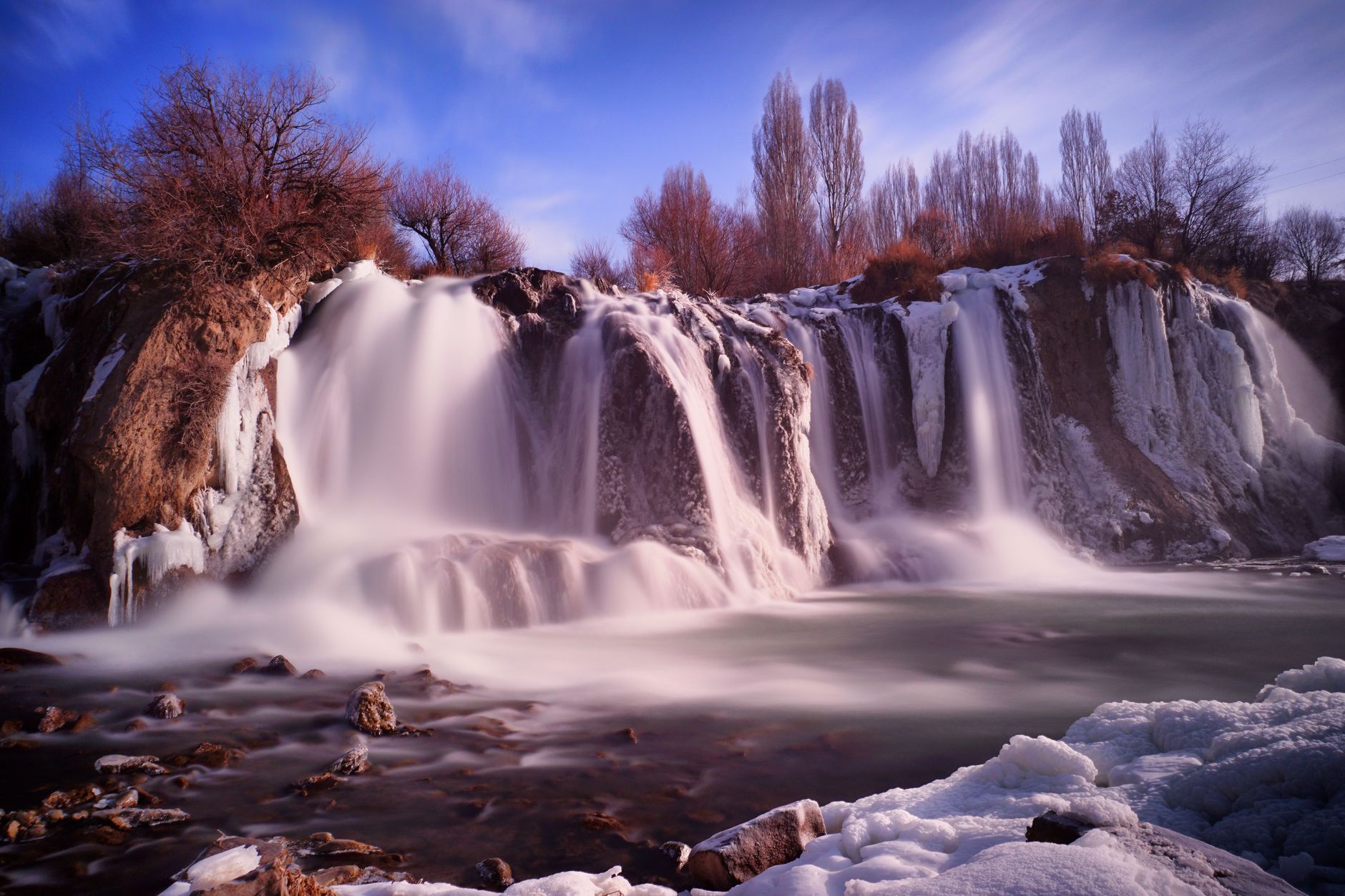
Niagara Falls, an iconic natural wonder located on the border of Canada and the United States, draws millions of visitors each year. Its beauty takes on a magical quality during the winter months, and many travelers wonder if Niagara Falls is frozen right now. Understanding the conditions of the falls and what to expect can enhance your visit.
Winter can transform the falls into a breathtaking spectacle of ice and frost. However, the question of whether Niagara Falls is frozen right now can vary depending on the time of year and prevailing weather conditions. In this article, we’ll explore what you need to know about visiting Niagara Falls in winter, including current conditions, activities, and practical tips for making the most of your trip.
Is Niagara Falls Frozen Right Now?
As of now, parts of Niagara Falls can be frozen but it rarely freezes completely. The unique climate surrounding the falls, coupled with the continuous flow of water, usually keeps the majority of the falls flowing even in extreme winter conditions. During the coldest months, icicles and ice formations can develop, creating a stunning backdrop for visitors.
Understanding the Climate and Conditions
Niagara Falls typically experiences cold winter weather from December to February. Average winter temperatures range from 20°F to 40°F (-6°C to 4°C) which can lead to snow and ice formation. However, water from the falls continually flows, leading to some areas remaining unfrozen.
Are There Any Frozen Areas?
While the main waterfalls rarely freeze completely, visitors may still enjoy frozen areas surrounding the falls. Look for stunning ice sculptures and formations along the edges and cliffs, especially after prolonged periods of cold. The mist from the falls can create beautiful ice as it freezes on nearby structures and trees.
Current Weather Conditions
Before planning your trip, check the local weather forecast. The temperature and wind chill can significantly impact the likelihood of ice formation. Cold fronts can lead to increased frost and freezing conditions, enhancing the winter landscape at Niagara Falls.
What to Expect When Visiting Niagara Falls in Winter
Winter visits to Niagara Falls provide a unique experience compared to the bustling summer months. The landscape transforms into a quieter and more serene setting, creating opportunities for stunning photography and intimate encounters with nature.
Activities to Enjoy at Niagara Falls in Winter
- Winter Lights Festival: Experience the breathtaking Winter Lights Festival, where the falls and surrounding areas are illuminated with colorful lights, creating a magical atmosphere.
- Ice Skating: Visit the outdoor ice skating rinks nearby, where you can glide under the stars surrounded by beautiful winter scenery.
- Hiking and Walking Trails: Enjoy various walking trails that offer different perspectives of the falls. Dress warmly and prepare for snowy conditions!
- Viewing Points: Head to popular viewing areas for unparalleled icy vistas. The observation platforms can provide excellent views of the snowscape and frozen formations.
- Niagara Parks’ Winter Wonderland: This lovely display features delightful light installations that transform the area into a winter wonderland, making it a delightful family outing.
Transportation Options to Get to Niagara Falls
Getting to Niagara Falls in winter is straightforward, with various transportation options available. Ensure to check road conditions if driving, especially during snow events, and plan accordingly.
By Car
Driving to Niagara Falls provides flexibility in your schedule. Major highways connect the falls to nearby cities like Buffalo and Toronto. During winter, ensure your vehicle is equipped for winter driving, including snow tires and emergency supplies.
By Train
Amtrak and VIA Rail offer train services to Niagara Falls, providing a scenic and comfortable journey. Be sure to check for seasonal schedules and book in advance, especially during busy holiday periods.
By Bus
Bus services from Toronto and other cities provide economical transportation options. Consider checking schedules for Greyhound or Coach Canada for availability.
Where to Stay Near Niagara Falls
When visiting Niagara Falls in winter, you may want to find accommodation that suits your travel style and budget. Numerous hotels and lodgings are available to cater to winter visitors.
Best Areas to Stay
- Niagara Falls, Ontario: Offers proximity to attractions, dining, and beautiful views of the falls.
- Niagara Falls, New York: Ideal for those looking to explore the American side and partake in various winter activities.
- Niagara-on-the-Lake: A quaint town nearby with boutique hotels and charming bed and breakfasts, perfect for those seeking a more relaxed experience.
What to Pack for Your Winter Visit
When packing for Niagara Falls in winter, consider the activities you plan to enjoy. Staying warm is key, so layers are recommended. Here’s a suggested packing list:
- Insulated winter coat
- Warm hats, gloves, and scarves
- Waterproof boots with good traction
- Warm socks
- Thermal clothing layers
- Camera for capturing stunning winter scenes
- Reusable water bottle to stay hydrated
- Portable phone charger
Safety Considerations for Winter Visits
Visiting Niagara Falls in winter can be enjoyable, but being aware of safety precautions is essential. The conditions can create slippery surfaces, so be vigilant when walking around the falls and nearby areas.
Tips for Staying Safe
- Wear appropriate footwear to prevent slipping on ice.
- Keep a safe distance from the edge of the falls, as ice may obscure natural barriers.
- Prepare for possible road closures due to winter weather.
- Monitor weather conditions to ensure you can move safely between attractions.
- Stay hydrated and take breaks if you’re outdoors for extended periods.
Seasonal Trade-offs: When to Visit Niagara Falls
Timing your visit to Niagara Falls can greatly influence your experience. Winter offers unique beauty but can also come with challenges.
Winter vs. Other Seasons
- Winter (December to February): Stunning icy landscapes, fewer crowds, magical festivals.
- Spring (March to May): Mild weather, blooming flowers, returning tourists, potential for larger crowds.
- Summer (June to August): Warm weather, vibrant activities, peak tourist season, larger crowds.
- Autumn (September to November): Fall foliage, cooler temperatures, lower crowd levels.
Recommended Length of Stay
For visitors wanting to explore and enjoy winter activities at Niagara Falls, a weekend trip (2-3 days) is recommended. This length of stay allows ample time to experience the various attractions, enjoy local dining, and immerse yourself in the winter atmosphere.
Budget Considerations for Your Trip
Traveling to Niagara Falls in winter can be budget-friendly with careful planning. Many attractions offer discounts during the off-peak months, and accommodations can often be more affordable than in the summer.
Budget Tips
- Book in advance to secure lower rates on accommodations.
- Look for bundled attraction passes that can save you money.
- Consider dining at local restaurants rather than tourist-centric establishments.
- Use public transportation to save on parking fees and gas costs.
- Plan your visit around free events such as the Winter Lights Festival.
Conclusion
While Niagara Falls may not freeze completely, the winter landscape it produces is still spectacular and worth experiencing. Prepare adequately for the cold, embrace the winter activities available, and enjoy the unique beauty and serenity that winter brings to this famous natural wonder.
Ready to start planning your winter trip? Don’t forget to check out our guides on Niagara Falls National Park and Weather in Italy in December for more travel insights.