
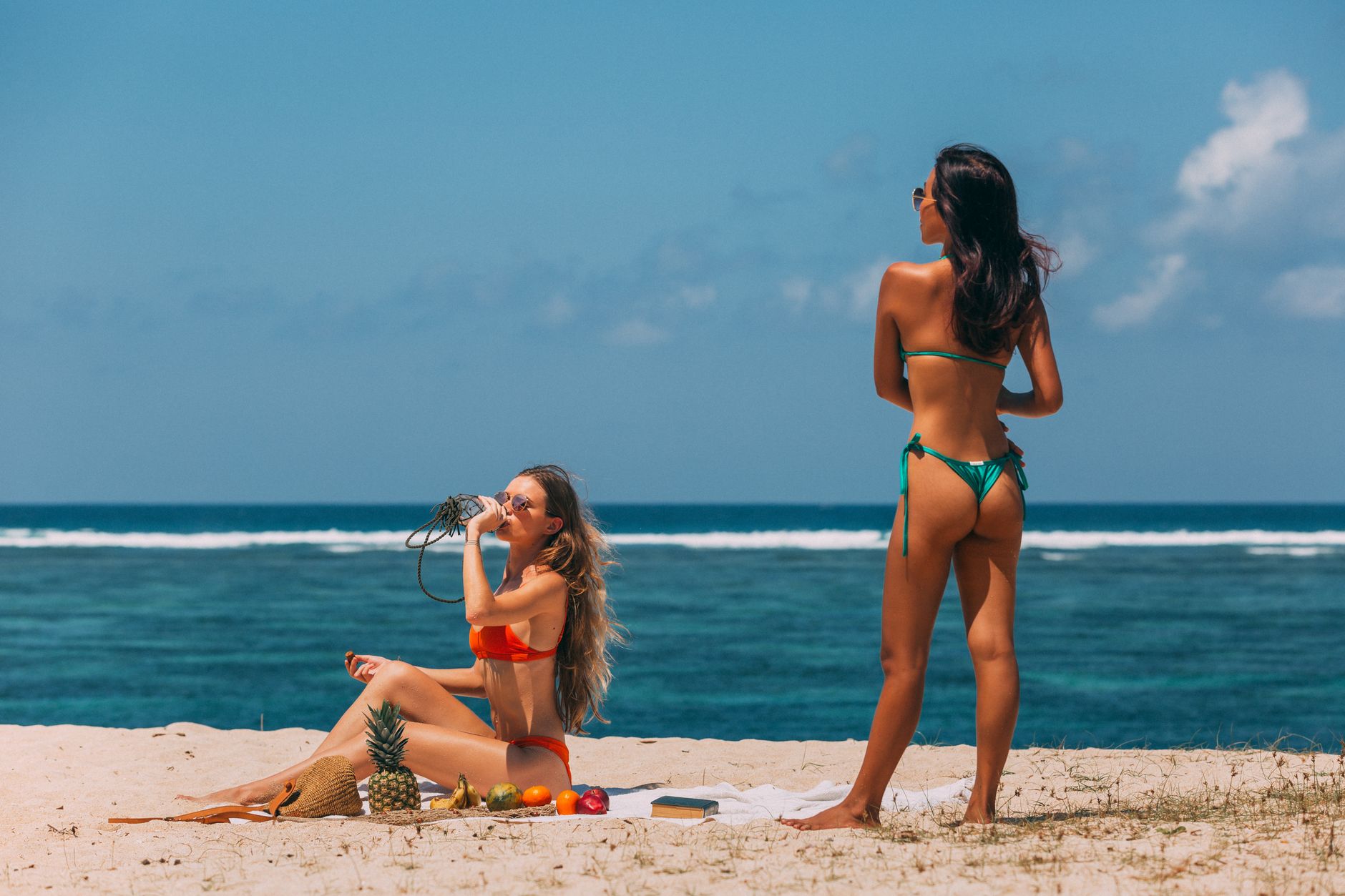
When planning a trip to Honolulu, one of the first questions that may come to mind is whether the destination is safe. Known for its stunning beaches, rich culture, and welcoming atmosphere, Honolulu is a popular choice among travelers. However, it’s essential to be informed about safety concerns to ensure a smooth and enjoyable vacation.
This article explores various aspects of safety in Honolulu, including crime rates, transportation safety, natural hazards, and essential tips for travelers. With the right information, visitors can confidently explore this beautiful Hawaiian city with peace of mind.
Is Honolulu Safe?
Yes, Honolulu is generally considered safe for tourists. While crime does occur, it is often concentrated in specific areas and does not impact the majority of visitors. Practicing common safety precautions can further enhance personal security while enjoying your stay.
Understanding Crime in Honolulu
Like any major city, crime exists in Honolulu, but it’s essential to keep it in perspective. Overall crime rates in Hawaii are lower than national averages. Property crimes, such as theft and burglary, tend to be more frequent than violent crimes. Understanding where and when crimes are likely to occur can help you stay safe.
Common Types of Crime
- Theft: Pickpocketing and purse snatching are relatively common in tourist-heavy areas, especially in crowded places like Waikiki Beach.
- Burglary: Vehicle break-ins happen occasionally, particularly in parking lots at beaches or hiking trails.
- Assault: While violent crimes are less common, they can occur, particularly late at night in less populated areas.
Crime Statistics
As of the latest reports, Honolulu’s overall crime rate has seen a decline over the past decade. The city maintains a quality of life that many visitors appreciate. Still, it is wise to remain vigilant.
Staying Safe in Honolulu
Here are some practical tips to help ensure your safety while enjoying your time in Honolulu:
General Safety Tips
- Stay aware of your surroundings and trust your instincts. If a situation feels uncomfortable, move to a safer location.
- Secure your valuables and avoid displaying expensive items. Use a money belt or crossbody bag.
- Avoid deserted areas, especially after dark. Stick to well-lit and populated places.
- Be cautious when using public Wi-Fi. Maintain security by using a VPN and avoiding sensitive transactions.
Beach Safety
Honolulu’s beaches are among its main attractions, but visiting them comes with unique safety considerations:
- Always swim in designated areas with lifeguards present.
- Be aware of water conditions. Look for warning signs about strong currents or jellyfish.
- Keep an eye on your belongings while swimming. Use waterproof pouches or leave valuables at your accommodation.
Transportation Safety
Getting around Honolulu can be a breeze with various transportation options. Here are some safety tips for each mode of transport:
Public Transportation
- If traveling by TheBus, stay alert and keep personal belongings close. Try not to display valuables.
- Avoid late-night buses if you’re traveling alone.
- Check the bus schedule ahead of time to avoid long waits, especially at night.
Taxis and Rideshares
- Use reputable taxi services or popular rideshare apps like Uber and Lyft. Verify details before entering the vehicle.
- Share your trip details with someone you trust. This adds a layer of safety during your ride.
Rental Cars
Renting a car is a popular choice for exploring the island. However, keep these precautions in mind:
- Always lock your vehicle and don’t leave valuables inside, even if covered.
- Be cautious when using GPS in remote areas, as some routes may lead to less-traveled roads.
Natural Hazards
In addition to crime, visitors should be aware of potential natural hazards in Honolulu:
Earthquakes and Tsunamis
Hawaii is located in a seismically active region. While major earthquakes are rare, it is essential to familiarize yourself with emergency procedures and evacuation routes if a tsunami warning is issued.
Hiking Safety
Honolulu offers stunning hiking trails, but safety precautions are crucial:
- Stay on marked trails and hike with a buddy.
- Check weather conditions and prepare adequately with water, snacks, and proper attire.
- Let someone know your hiking plan and expected return time, especially for longer trails.
Emergency Contacts
Having emergency contacts can be invaluable during your stay. Keep the following numbers handy:
- Emergency Services: Dial 911
- Hawaii Poison Center: 1-800-222-1222
- City and County of Honolulu: (808) 768-7777
Medical Considerations
Health and medical services in Honolulu are generally good, but it’s essential to plan ahead:
Access to Healthcare
- The Queen’s Medical Center and Honolulu’s other hospitals offer 24-hour emergency services.
- Consider travel insurance that covers healthcare costs while abroad.
Sun Safety
With ample sunshine, sun safety is crucial. Protect yourself from UV rays by:
- Applying and reapplying sunscreen regularly, especially after swimming.
- Wearing a hat and sunglasses.
- Staying hydrated to combat heat exhaustion.
Traveling with Children
Honolulu is a family-friendly destination, offering numerous activities for kids. Nonetheless, keeping children safe requires extra precautions:
Kid-Friendly Tips
- Teach children about stranger safety and establish meeting points should anyone get separated.
- Supervise children closely at beaches and pools.
- Consider using toddler leashes in crowded areas to prevent wandering.
Solo Travel Safety
Solo travelers may experience unique challenges in any city. However, Honolulu is filled with opportunities while also ensuring safety:
Tips for Solo Travelers
- Stay connected with friends or family by sharing your itinerary and whereabouts.
- Join group activities or tours to meet other travelers.
- Utilize hotel concierges for reliable information and assistance.
When to Visit Honolulu
Understanding the seasons can contribute to a safer and more enjoyable trip. Peak tourist seasons are typically during the winter months and summer:
Seasonal Considerations
- Winter (December – February): Ideal for warm weather, but increased crowds can lead to theft.
- Spring (March – May): Less crowded, more affordable accommodation options, and mild weather.
- Summer (June – August): Warm temperatures draw many visitors. Expect busier attractions and beaches.
- Fall (September – November): Fewer tourists; excellent weather for outdoor activities.
Where to Stay in Honolulu
Accommodation options vary significantly across Honolulu, catering to diverse preferences and budgets. Here are popular areas to consider:
Accommodations by Area
- Waikiki: Perfect for beach lovers and those seeking vibrant nightlife. However, be aware of pickpocketing in crowded areas.
- Downtown Honolulu: Offers a mix of local culture and business. A safer option for travelers wanting to explore history.
- North Shore: Known for surfing and local charm. Generally quieter and safer, perfect for families.
Budget Considerations
Traveling to Honolulu can be managed on various budgets. Consider these factors when planning your trip:
Cost Factors
- Accommodations range from budget hostels to luxury resorts. Avoiding peak seasons may help cut costs.
- Dining options span from food trucks to fine dining. Sample local cuisine without overspending by opting for casual eateries.
- Activities like hiking, visiting beaches, and exploring parks often have low or no entry fees.
Final Thoughts
With prudent planning and awareness of safety details, Honolulu can be a delightful destination. From breathtaking landscapes to a rich cultural backdrop, you can enjoy the vibrant atmosphere while keeping yourself secure.
As a next step, consider familiarizing yourself further with travel safety by exploring our related guides: Is Hidalgo, Mexico Safe? and Is Curacao Safe for Tourists?.