
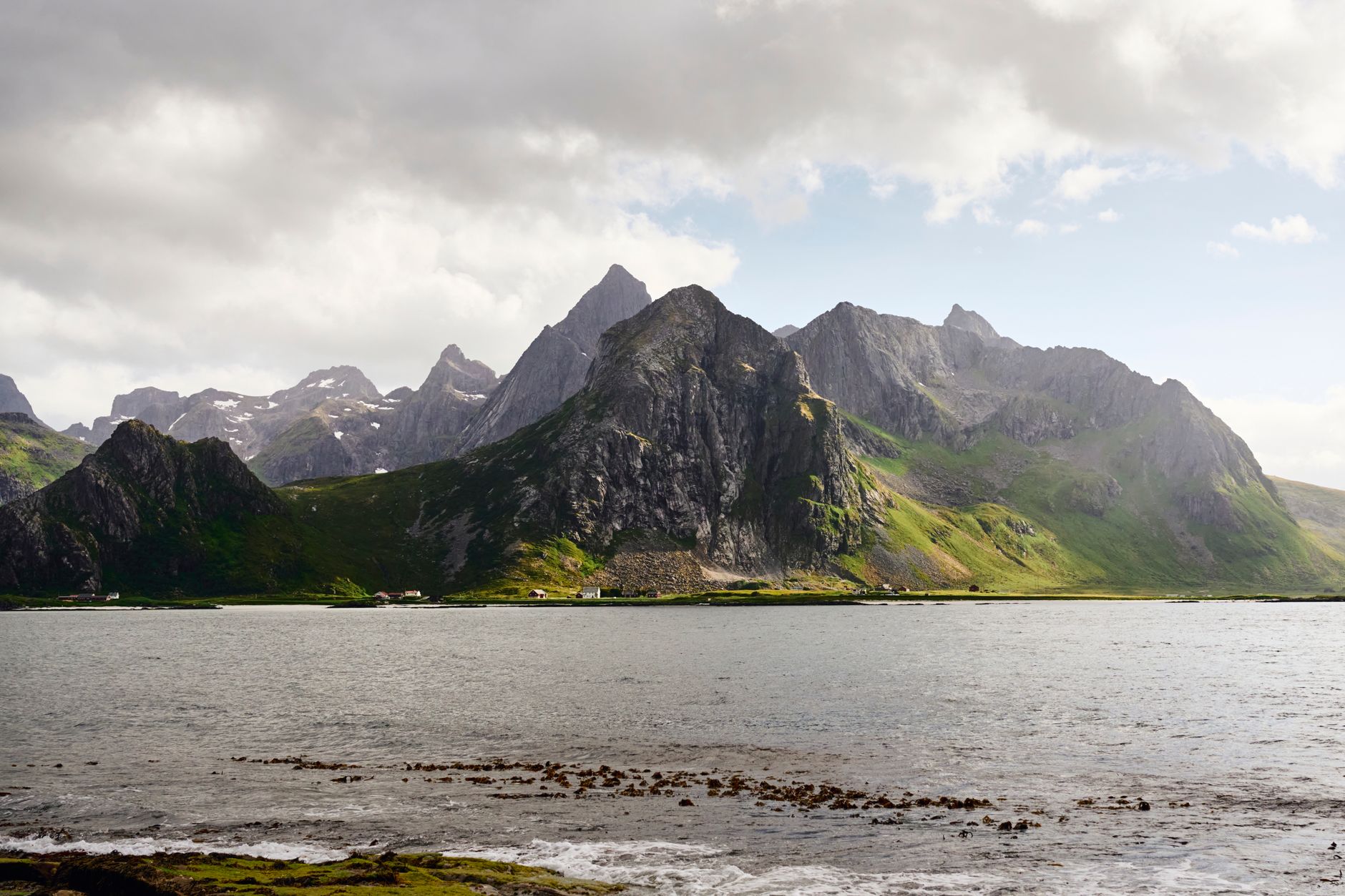
Greenland and Iceland are often confused due to their similar names and geographic proximity. However, these two destinations offer vastly different experiences, landscapes, and cultures. Understanding the key distinctions between them can help travelers make informed decisions about where to visit and what to expect from each destination.
This guide will explore the differences and similarities between Greenland and Iceland, highlighting their unique attractions, cultures, travel logistics, and practical tips for planning a visit to either of these remarkable places.
Is Greenland and Iceland the Same?
No, Greenland and Iceland are not the same. While both are located in the North Atlantic and share some climatic similarities, they are distinct in their geography, culture, and experiences. Greenland is primarily an Arctic region, known for its glaciers and indigenous Inuit culture, whereas Iceland is a volcanic island famous for its diverse landscapes, rich folklore, and accessibility to outdoor adventures.
Geographical Differences
Though they are close neighbors, Greenland and Iceland differ significantly in size, climate, and scenery.
- Size: Greenland, the world’s largest island, spans over 2.16 million square kilometers. In contrast, Iceland is much smaller, covering about 103,000 square kilometers.
- Climate: Greenland’s vast interior is mostly covered by ice and experiences a polar climate, while coastal areas have a tundra climate. Iceland, situated just south of the Arctic Circle, has a subarctic climate with milder coastal temperatures due to the North Atlantic Current.
- Landscapes: Greenland is defined by its ice caps, towering glaciers, and rugged fjords, while Iceland features a diverse landscape of geysers, volcanoes, hot springs, waterfalls, and black sand beaches.
Cultural Differences
Greenland and Iceland also showcase distinct cultural elements shaped by their history, traditions, and inhabitants.
- Population: Greenland has a sparse population of around 56,000 people, primarily Inuit. Iceland’s population is approximately 370,000, with a mix of Icelandic and immigrant communities.
- Language: Greenland’s official language is Greenlandic (Kalaallisut), while Danish is also commonly spoken. In Iceland, the official language is Icelandic.
- Culture and History: Greenland’s culture is heavily influenced by its Inuit heritage, which is celebrated through traditional crafts, storytelling, and music. Iceland, with its Norse heritage, has a rich folklore, including tales of elves and trolls, along with a vibrant contemporary art scene.
Travel Logistics: Getting There
Traveling to either destination requires some planning, as direct flights and connections vary.
Getting to Greenland
Most visitors arrive in Greenland via flights to Nuuk, the capital, or Kangerlussuaq, which serves as the main gateway. The primary airlines servicing Greenland include Air Greenland and Air Iceland Connect. Limited connections from Copenhagen and Reykjavik make early booking essential.
Getting to Iceland
Reykjavik is Iceland’s main city, and it is well-connected to several international destinations. Numerous airlines, including Icelandair and WOW Air, offer direct flights to Keflavik International Airport. The flight from North America takes approximately six to eight hours, while travelers from Europe can typically reach Iceland in three to five hours.
Transportation Within Each Destination
Getting around in Greenland and Iceland presents unique challenges and opportunities based on terrain and infrastructure.
Transportation in Greenland
Due to the limited number of roads connecting towns, most travel within Greenland occurs via air or boat. Visitors can book domestic flights, or take ferries to explore coastal towns. In Nuuk, taxis and local buses are available for transportation within the city.
Transportation in Iceland
Iceland offers better connectivity with a network of roads, particularly the Ring Road encircling the island. Rental cars are popular for exploring at one’s own pace, while bus tours offer guided experiences. Domestic flights are also available for reaching outlying areas.
Best Times to Visit
The time of year you choose to visit Greenland or Iceland greatly influences your experience, activities, and weather conditions.
Visiting Greenland
Summer (June to August) is the best time to visit Greenland for warmer temperatures, longer days, and access to many hiking trails and coastal activities. This period is also ideal for whale watching and experiencing the Midnight Sun. Winter (December to March) is better suited for those interested in winter sports and Northern Lights viewing, though be prepared for extreme cold and limited daylight.
Visiting Iceland
Iceland can be visited year-round, with each season offering unique experiences. The summer months (June to August) provide pleasant weather for exploring, while the winter months (December to February) are perfect for witnessing the Northern Lights and enjoying winter activities like snowmobiling. The shoulder seasons (spring and fall) offer fewer crowds and a mix of both experiences.
Unique Attractions and Experiences
Both Greenland and Iceland boast stunning landscapes and intriguing attractions that draw visitors from all over the world.
Highlights of Greenland
- Ilulissat Icefjord: A UNESCO World Heritage Site, this breathtaking icefjord is known for its stunning icebergs and is accessible via hiking trails.
- Nuuk: Greenland’s capital offers a mix of modern culture and history, including the Greenland National Museum, showcasing the island’s past and the Inuit culture.
- Kangerlussuaq: This town is popular for its access to hiking, stunning landscapes, and opportunities to see wildlife, including musk oxen and reindeer.
Highlights of Iceland
- Golden Circle: This popular route includes the stunning Gullfoss Waterfall, geysers at Haukadalur, and Thingvellir National Park, a UNESCO World Heritage Site that showcases the geological significance of the area.
- Blue Lagoon: A world-famous geothermal spa offering relaxing warm waters surrounded by lava fields.
- South Coast: This region features incredible sites such as Vik’s black sand beaches, Seljalandsfoss, and Skogafoss waterfalls.
Accommodations: Where to Stay
Accommodations vary widely between Greenland and Iceland, reflecting the unique atmospheres and tourism infrastructures.
Where to Stay in Greenland
Options for accommodations in Greenland are limited but range from cozy guesthouses to mid-range hotels in urban areas like Nuuk and Ilulissat. Some lodges also offer unique experiences such as dog sledding and kayaking for those seeking outdoor adventures.
Where to Stay in Iceland
Iceland boasts a wide range of accommodations for different budgets, including hotels, guesthouses, hostels, and luxury resorts. The capital, Reykjavik, offers numerous options, while many smaller towns along the Ring Road have guesthouses and camping facilities for those traveling outside the city.
Culinary Experiences
Dining in both Greenland and Iceland offers unique flavors and local delicacies tied to their respective cultures.
Cuisine in Greenland
Greenlandic cuisine is heavily influenced by its Arctic environment and traditional Inuit practices. Popular dishes include:
- Seal: A traditional source of protein, often served fresh or dried.
- Whale: Bowhead whale meat is a delicacy, while minke whale is also consumed.
- Fish: Fresh fish, such as Arctic char and halibut, are common staples in many Greenlandic meals.
Cuisine in Iceland
Icelandic cuisine is based on fresh and local ingredients. Some traditional dishes include:
- Hákarl: Fermented shark meat considered a delicacy.
- Lamb: Icelandic lamb is renowned for its flavor due to the sheep grazing in untouched nature.
- Skyr: A traditional yogurt-like dairy product that’s rich in flavor and often enjoyed with berries.
Outdoor Adventures and Activities
Adventure-seekers will find plenty of outdoor activities to enjoy in both Greenland and Iceland.
Outdoor Adventures in Greenland
- Hiking: Trails range from moderate to challenging, with spectacular views of glaciers and fjords.
- Kayaking: Explore Greenland’s stunning coastline and icebergs from the water.
- Dog Sledding: Experience this traditional method of travel, especially popular in winter.
Outdoor Adventures in Iceland
- Glacier Hiking: Numerous tours allow visitors to hike on glaciers, such as Vatnajökull National Park.
- Whale Watching: Tours from Reykjavik provide opportunities to see a variety of whale species.
- Geothermal Hot Springs: Enjoying a soak in natural hot springs is a popular activity, from the Blue Lagoon to secret spots scattered across the landscape.
Practical Travel Tips
When planning your trip, here are some key considerations to keep in mind for both Greenland and Iceland.
- Travel Insurance: Given the remote locations and potential for unpredictable weather, invest in comprehensive travel insurance.
- Currency: Greenland uses the Danish Krone (DKK), while Iceland uses the Icelandic Króna (ISK). Credit cards are widely accepted in both places.
- Safety Precautions: Be aware of hazardous terrain and changing weather conditions, and always stay informed about local guidelines.
Accessibility and Family Travel
Accessibility varies between the two destinations, and planning is essential for family trips.
Accessibility in Greenland
Greenland has limited public transportation and accessibility options, especially in rural areas. Many towns require traveling via small planes or ferries. For families, consider booking guided tours for easier navigation.
Accessibility in Iceland
Iceland offers more accessibility options, with public buses accommodating various needs. Many attractions are reachable by car, and family-friendly activities abound, including geothermal baths and whale watching tours.
Budget Considerations
Budgeting for a trip to Greenland or Iceland can vary greatly, with both destinations having different pricing structures.
Travel Budget for Greenland
Traveling to Greenland can be expensive due to the cost of flights, accommodations, and tours. Budget-conscious travelers should keep in mind:
- Accommodations can vary in cost, from budget guesthouses to luxury lodges.
- Activities and tours may also carry a premium due to the remote nature of the destinations.
- Dining options might be limited, and grocery store prices can be higher than in other countries.
Travel Budget for Iceland
Iceland can also be pricey, but there are ways to save.
- Camping and guesthouses offer more budget-friendly accommodation options.
- Consider grocery shopping and cooking simple meals to save on food costs.
- Free public hiking trails and natural wonders can provide low-cost or no-cost entertainment.
Summary of Differences and Travel Considerations
Both Greenland and Iceland present travelers with unique experiences and breathtaking landscapes. While they share some geographic proximity and climatic features, each destination showcases a distinct culture, set of attractions, and outdoor activities.
Ultimately, your choice of destination will depend on your personal interests, budget, and travel style. Whether you’re drawn to Greenland’s untouched wilderness and Inuit culture or Iceland’s dramatic landscapes and rich folklore, both places promise unforgettable adventures for all types of travelers.
If you’re interested in exploring more, check out our related guides about travel logistics: Can You See Greenland from Iceland? and Does Iceland Have Mountains? for additional insights into these two captivating destinations.