
When considering a trip to Brazil, one of the first questions that comes to mind is whether the country is affordable for travelers. Brazil is a vast nation with diverse cultural experiences, stunning natural landscapes, and no shortage of activities. While some regions may be pricey, many parts of Brazil offer a range of cost-effective options that appeal to various travel budgets.
This article explores the cost of traveling in Brazil, from accommodations and food to transportation and activities. By the end, you’ll have a clearer idea of how to plan your visit without breaking the bank.
Is Brazil Cheap? Exploring Costs
Brazil can be inexpensive or expensive, depending largely on where you choose to visit and how you plan your itinerary. Major cities like Rio de Janeiro and São Paulo tend to be pricier than rural areas or smaller towns, but even in big cities, budget options exist. Average costs vary, but with some savvy planning, travelers can enjoy Brazil without a heavy financial burden.
Accommodation: Finding Budget-Friendly Stays
Accommodation costs in Brazil range from luxurious hotels to budget hostels. It’s crucial to research and book in advance to secure the best prices.
Types of Accommodations
- Hostels: Starting around $10 to $20 per night, hostels offer dormitory-style rooms and shared facilities. They are popular among backpackers and solo travelers.
- Pousadas: These family-run guesthouses range from $20 to $100 per night. They often provide a more intimate setting and local charm.
- Hotels: Mid-range hotels typically start at $50, with luxury accommodations reaching several hundred dollars per night. Business travelers may find packages that offer discounted rates.
- Airbnb: Rental properties can be a budget-friendly option, especially for groups or families, with prices varying widely depending on location.
Recommended Areas to Stay
Choosing the right location can significantly affect your costs:
- Rio de Janeiro: Ipanema and Copacabana are popular but costly. Consider Lapa or Santa Teresa for more budget-friendly options.
- São Paulo: The Vila Madalena and Jardins neighborhoods offer mid-range options, while areas like Liberdade have more affordable choices.
- Salvador: The historic Pelourinho district can be pricier; look for accommodations in lower-cost neighborhoods such as Barra.
Food and Drink: Eating on a Budget
Brazil boasts a rich and diverse culinary scene, from street food to fine dining. Fortunately, travelers can find budget-friendly food options across the country.
Street Food
One of the most cost-effective ways to enjoy Brazilian cuisine is by sampling street food, with prices commonly ranging from $1 to $5. Popular options include:
- Pastel: A deep-fried pastry filled with various ingredients.
- Coxinha: A chicken-filled dough shaped like a drumstick.
- Acarajé: Black-eyed pea fritters filled with shrimp and spices, particularly famous in Salvador.
Local Restaurants and Buffets
From casual dining experiences to self-service buffets, expect to pay between $5 and $15 per meal. Many restaurants offer a “prato feito” or “dish of the day” that is affordable and filling.
Upscale Dining
Fine dining can be quite expensive, often ranging from $30 to $100 per person. However, you can enjoy upscale experiences with a pre-fixe menu or by dining during lunch hours for more affordable prices.
Coffee and Drinks
Cafe culture is strong in Brazil, with coffee prices averaging around $1. Beer prices can range from $1 in kiosks to $4 in bars and restaurants. When dining out, expect marked-up prices for cocktails, especially in tourist-heavy areas.
Transportation: Getting Around Affordably
Brazil is a vast country, and understanding transportation options can help manage your budget effectively while ensuring you see all the sights.
Public Transportation
Major cities have extensive public transportation systems that are affordable and efficient:
- Buses: City buses are common, with fares generally between $1 to $2. They are a great way to navigate urban areas.
- Metro: Cities like Rio and São Paulo have metro systems, with similar fares to buses and convenient access to main attractions.
Long-Distance Travel
Traveling between cities often requires longer journeys. Options include:
- Buses: Long-distance bus fares are very reasonable, often starting at $20 and varying based on distance and services offered.
- Trains: Brazil has limited train services, mostly for scenic routes. Prices can be higher than buses, so check in advance.
- Flights: Major airlines often have competitive prices for internal flights, especially if booked in advance. Promotional fares can be as low as $30 for short distances.
Activities and Attractions: Budget-Friendly Options
Brazil’s attractions span cultural, historical, and natural experiences, catering to every budget. Here are some tips to enjoy activities without overspending.
Free and Low-Cost Attractions
Many sights offer free or low-cost entry, such as:
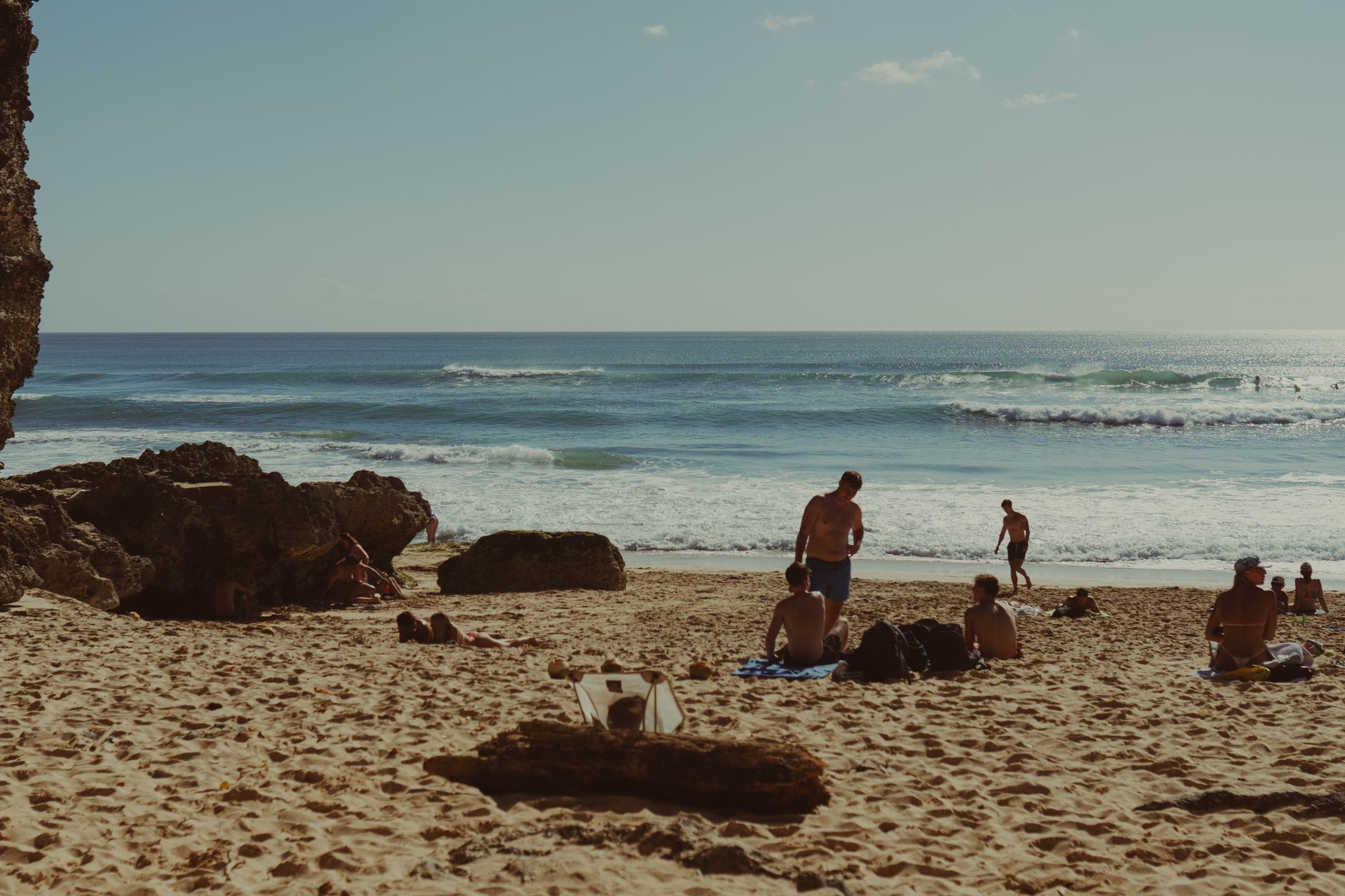
- Beaches: Brazil’s stunning coastline is accessible to all. Enjoy famous beaches like Copacabana, Ipanema, and Praia do Futuro at no cost.
- Parks: Urban parks, like Ibirapuera Park in São Paulo and Tijuca National Park in Rio, are free of charge and provide beautiful scenery and outdoor activities.
- Cultural Events: Keep an eye on local calendars for free music performances, art exhibits, and markets that showcase Brazilian culture.
Affordable Entry Fees
Many museums and attractions charge reasonable entry fees, often between $3 and $10. Consider city passes for discounts on multiple attractions or guided tours. Examples include:
- In Rio: The Museum of Tomorrow and the Selarón Steps.
- In Salvador: The Bahia Museum and the historic Pelourinho district.
Experiential Activities
If you’re looking to splurge a little, but still want budget options, consider:
- Free Walking Tours: Many cities offer donation-based walking tours that provide insight into local history and culture.
- Cultural Classes: Cooking or dance classes can range from $20 to $50, a great way to immerse yourself in local traditions.
When to Visit Brazil: Seasonal Considerations
The timing of your trip can greatly impact your travel budget. The Brazilian summer (December to February) is peak season and can be more expensive.
Peak Season
The hottest months coincide with festive Carnival celebrations. Prices for accommodation and activities can soar. If you’re looking to budget effectively, consider visiting during the off-peak season.
Off-Peak Season
Certain areas, especially those in the south or colder regions, can be more affordable from March to May and August to November. You’ll experience fewer crowds and lower prices while still enjoying pleasant weather.
Budget Planning: Tips for Cost-Effective Travel
Planning ahead can help you maximize your experience without overspending. Here are practical tips for budgeting your trip to Brazil:
Set a Daily Budget
Establish a daily spending limit, taking into account accommodation, food, transportation, and activities. A good daily budget for a backpacker can range from $30 to $50, while mid-range travelers might spend between $70 and $150, depending on preferences.
Use Apps for Deals
Leverage technology to help you save money. Apps for transportation, dining, and activities often provide discounts, enable comparisons, and offer localized deals.
Exchange Rates and Local Currency
Brazil’s currency is the Brazilian Real (BRL). It’s wise to exchange cash before your arrival, and understand exchange rates to make informed decisions about spending. Credit cards are accepted in most places, but always carry cash for small purchases.
Safety Considerations: Protecting Your Budget
While Brazil is a vibrant country, it’s essential to prioritize safety to avoid unplanned expenses.
General Safety Tips
- Stay aware of your surroundings.
- Keep valuables secured or left in accommodation when exploring.
- Avoid displaying expensive items like jewelry or electronics.
Emergency Preparedness
Invest in travel insurance covering medical emergencies, theft, and trip cancellations. Familiarize yourself with emergency contacts, such as the local police and hospitals.
Family Travel and Accessibility in Brazil
Brazil welcomes families, with ample attractions designed for all ages. When traveling with children or individuals needing special access, consider these guidelines.
Family-Friendly Activities
- Zoo and Aquariums: Many city zoos, such as Zoo de São Paulo, provide kid-friendly experiences and education.
- Water Parks: There are water parks throughout the country ideal for family fun, especially in warmer coastal regions.
Accessibility Considerations
Many tourist attractions have begun prioritizing accessibility. Nevertheless, research specific locations in advance to ensure they meet your accessibility needs.
Conclusion: Brazil Is What You Make of It
Brazil can be affordable depending on your travel style and planning. With various options across accommodation, food, transportation, and activities, it’s possible to enjoy this beautiful country without financial stress.
Understanding where to save and how to navigate the diverse experiences will help make the most of your trip. Start by setting a budget, exploring less touristy areas, and researching local deals to enjoy the vibrant culture and breathtaking scenery that Brazil offers.
If you’re planning your next trip, explore more destination guides and travel-planning articles to prepare for great experiences ahead.