
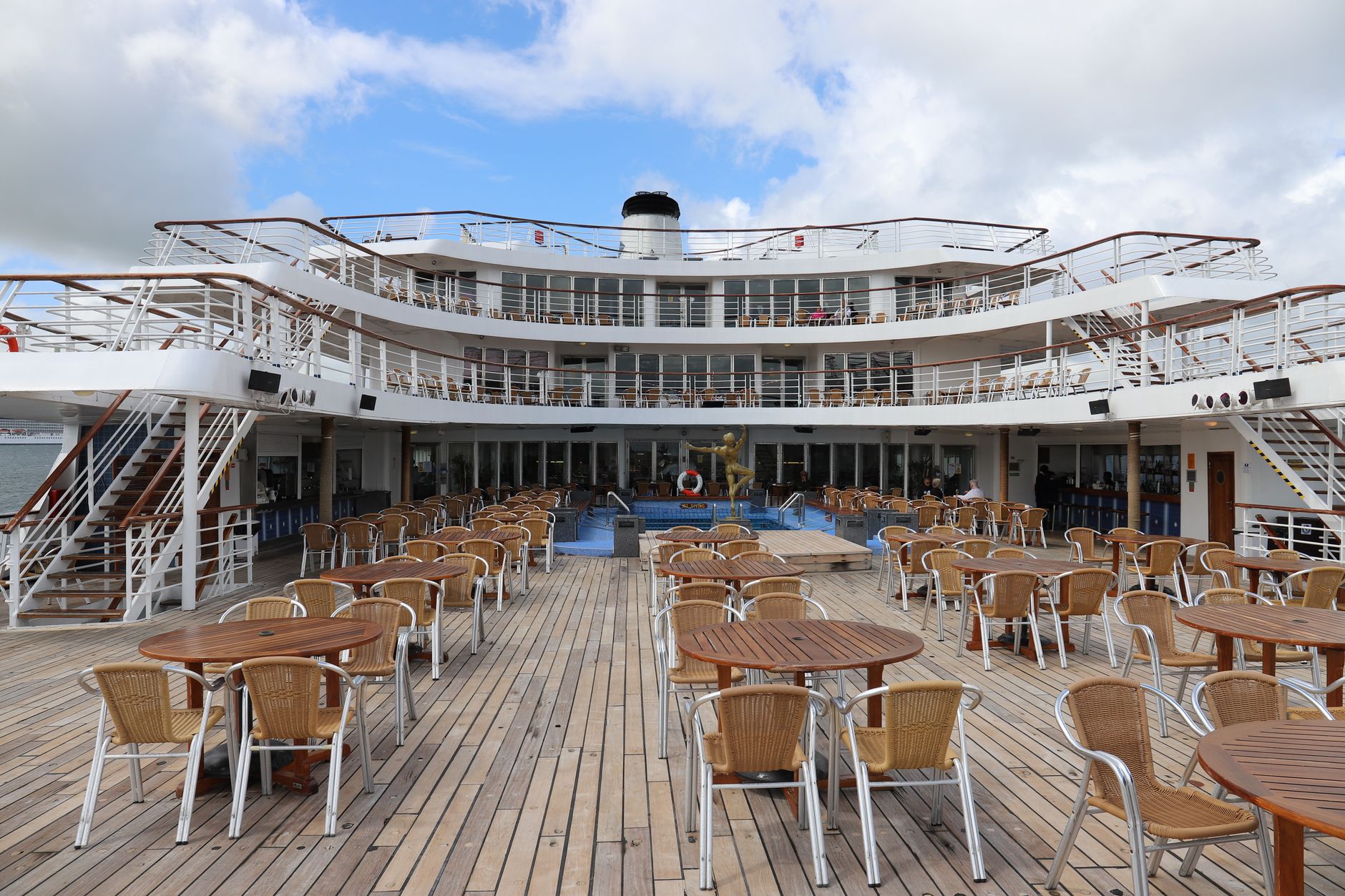
Choosing to embark on a cruise can be an exciting and rewarding experience. However, one crucial aspect that many travelers consider before booking is the overall cost. Understanding how much a cruise boat costs can help in planning a trip that suits your budget while ensuring you get the most out of your sailing adventure.
This article breaks down the various factors that contribute to the total cost of a cruise boat. We’ll explore ticket prices, onboard expenses, and additional costs to help you create a comprehensive budget for your upcoming cruise.
How Much Does A Cruise Boat Cost?
The cost of a cruise boat typically ranges from around $300 to over $15,000 per person, depending on factors such as the cruise line, type of cabin, duration of the cruise, and the destinations involved. It’s essential to factor in additional expenses such as onboard gratuities, excursions, and alcohol.
Factors Affecting Cruise Prices
Several factors play a significant role in determining the price of a cruise. Here’s a closer look at what influences the cost.
1. Type of Cruise Line
Cruise lines vary greatly in pricing structures. Premium cruise lines like Seabourn and Regent Seven Seas typically offer more luxurious experiences and thus have higher prices. In contrast, budget-friendly options like Carnival and Norwegian offer a balance of value and amenities for a lower price.
2. Length of the Cruise
The duration of the cruise can dramatically affect the cost. Shorter cruises (3-5 days) tend to be less expensive than longer journeys (7-14 days or more). Extended travel often comes with higher fares due to the increased number of meals, entertainment, and ports of call.
3. Destination
Destinations can also impact cruise prices. Popular areas such as the Caribbean or Mediterranean usually have more competition among cruise lines, leading to better deals, while less frequented destinations such as Alaska or the South Pacific may see higher prices. Special cruises, like those to Antarctica, can also be significantly more expensive.
4. Stateroom Category
Cruise ships offer various types of accommodations, from interior cabins to luxury suites. The type of stateroom you choose can influence the overall cost significantly:
- Interior cabins: Generally the most affordable option.
- Oceanview cabins: Offer a window but typically cost more than interior cabins.
- Balcón cabins: Provide private outdoor space and are higher priced.
- Suites: Luxury accommodations with amenities, often the most expensive option.
5. Time of Booking
When you book your cruise can also affect the price. Booking well in advance may open up more discounts and deals. Conversely, last-minute bookings may offer opportunities for lower fares, but selection may be limited.
Average Cruise Prices
Let’s look at some typical average prices based on standard categories:
| Type of Cruise | Price Range (Per Person) |
|---|---|
| Budget Cruises | $300 – $800 |
| Mid-Range Cruises | $800 – $2,500 |
| Luxury Cruises | $2,500 – $15,000+ |
Included and Additional Costs
When planning your cruise budget, it’s essential to distinguish between included costs and additional expenses you might encounter on board.
Included Costs
Most cruise packages come with several included amenities that can enhance your experience. These usually encompass:
- Accommodation in your selected stateroom category.
- Meals at the main dining venues.
- Entertainment and onboard activities.
- Access to ship amenities such as pools, gyms, and lounges.
- Basic room service.
Additional Costs
Despite the inclusivity of many features, there are additional costs to keep in mind:
- Gratuities: Many cruise lines automatically add a daily gratuity fee per guest. Check your cruise line’s policy.
- Excursions: Shore excursions can add significant costs, ranging from $50 to several hundred dollars.
- Drinks: Alcoholic beverages, specialty coffees, and other drinks might not be included in your cruise package.
- Spa services, specialty dining, and other experiences can add to your total.
- Internet access costs can be significant and should be reviewed prior to setting sail.
Planning Your Cruise Budget
Understanding the total cost of your cruise can help you plan effectively. Here’s how to create a realistic budget:
1. Determine Your Cruise Line and Destination
Start by selecting the cruise line and destination that suits your interests and budget. Review potential routes, types of activities offered, and amenities.
2. Choose Your Stateroom
Select a cabin category that aligns with your needs and budget. If you prefer balcony views or additional space, allocate more funds to your stateroom choice.
3. Account for Additional Expenses
Prepare for onboard and off-board expenses such as excursions, dining specialties, and gratuities. Consider setting aside a budget range for excursions based on your interest.
4. Check for Deals and Discounts
Look for deals during off-peak times or consider booking last-minute. Many cruise lines offer promotional rates, onboard credits, and package deals for added value.
5. Budget for Transportation
Do not forget about transportation to and from the cruise terminal, which can include flights, hotel accommodations, parking fees, and transfers.
Tips for a Cost-Effective Cruise
If you’re looking to save some money on your cruise while still having a fantastic time, consider these tips:
- Book early to secure any available discounts.
- Look for inclusive packages that bundle airfare and hotel stays with your cruise.
- Consider off-peak cruising to score better prices on fares and excursions.
- Bring your own drinks where permissible to reduce onboard beverage expenses.
- Research free shore activities at ports of call to save on excursion costs.
The Importance of Travel Insurance
Travel insurance can be a wise investment, particularly for cruises. Look out for options that cover:
- Trip cancellation or interruption.
- Medical emergencies and evacuation.
- Baggage loss or delay.
Having insurance in place can offer peace of mind against unforeseen circumstances that could impact your travel plans.
When to Book Your Cruise
Timing can significantly influence cruise prices. Here are some key periods to consider:
- Wave Season (January to March): Often associated with major promotions and discounts.
- Last-Minute Deals: Discounted rates available within months of sailing, but be flexible.
- Hurricane Season (June to November in the Caribbean): Cruises may be discounted but come with risks.
Conclusion
Understanding the costs involved with taking a cruise will allow you to plan effectively and ensure you have an enjoyable experience without financial stress. By considering the factors that influence prices, budgeting for additional expenses, and identifying cost-saving opportunities, you can set sail on your dream cruise while staying within your budget.
As you prepare for your cruise, you may also want to explore related topics, such as how much are gratuities on Princess cruises or the cost of parking at Galveston cruise terminal to further aid in your planning.