
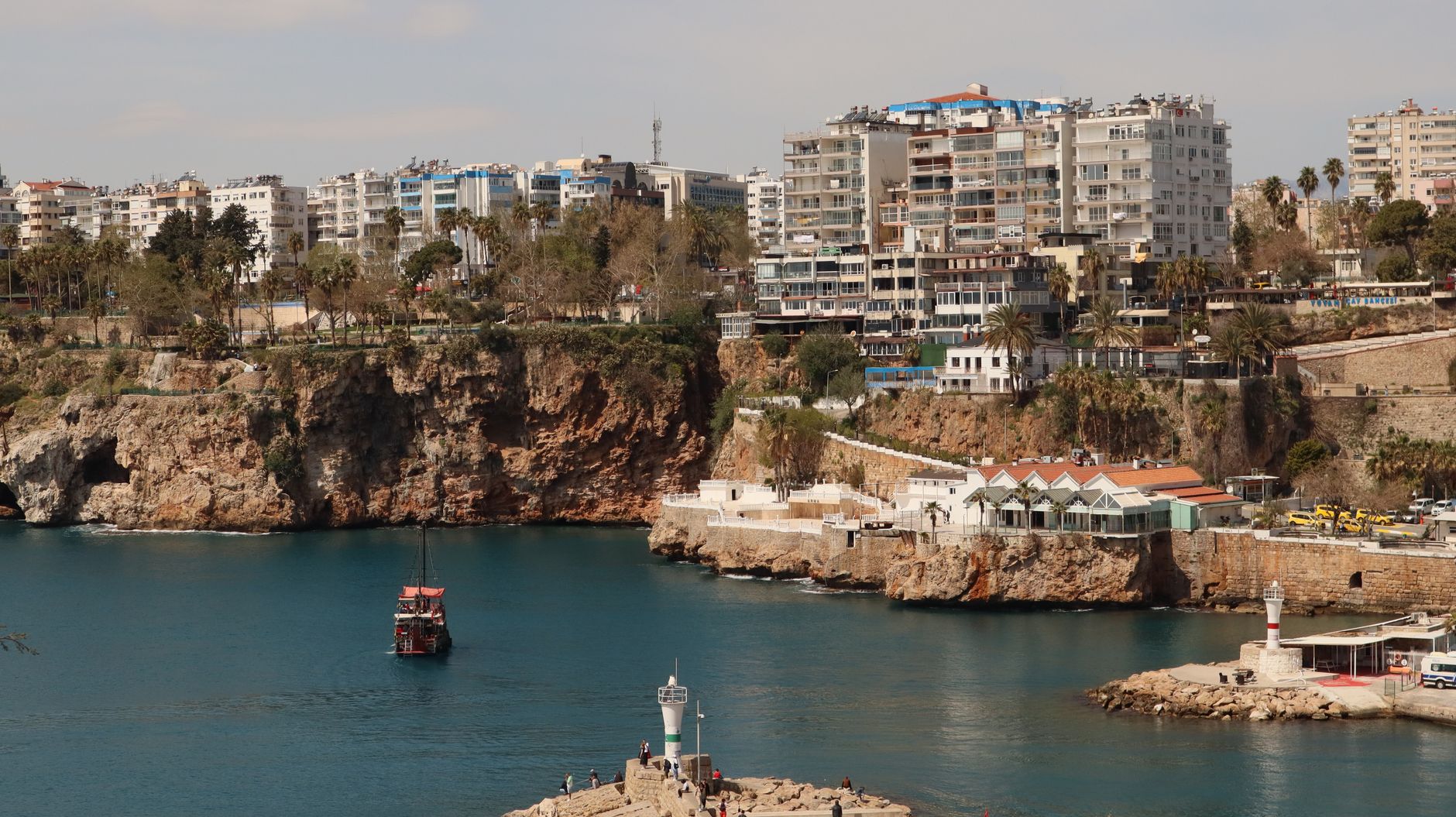
Busan, South Korea’s second-largest city, offers an exciting blend of urban culture, stunning coastlines, and rich history. Known for its vibrant markets, breathtaking beaches, and flavorful cuisine, Busan is a captivating destination for various types of travelers. But how many days should you spend in this remarkable city to experience its highlights?
Generally, a stay of three to five days in Busan is recommended. This duration allows for a well-rounded exploration of the city’s main attractions, local experiences, and even some relaxation by the sea. In this guide, we will outline what to see, where to stay, and how to make the most of your time in Busan.
How Many Days In Busan?
A visit to Busan typically requires three to five days to absorb its diverse offerings. In three days, you can cover the main attractions, while five days provide leeway for day trips and leisure time.
Choosing the Right Length of Stay
The ideal length of your stay largely depends on your travel style and interests. Here’s a breakdown of what you can accomplish in different timeframes:
- 3 Days: Perfect for a quick trip. Focus on the essential sights, including Haeundae Beach, Gamcheon Culture Village, and Gukje Market.
- 4 Days: Great for those who want a balance between sightseeing and relaxation. You can add in visit to Beomeosa Temple and a day trip to the picturesque Oryukdo Islets.
- 5 Days: Ideal for exploring more deeply and taking it slow. Gives you time for leisurely beach days, exploring the Jagalchi Fish Market, and even a day trip to Gyeongju for historical sites.
Highlights of Three Days in Busan
If you’re visiting for just three days, here’s a suggested itinerary that covers the city’s must-see attractions:
Day 1: Coastal Culture and City Vibes
- Morning: Start your day at Haeundae Beach, one of Korea’s most famous beaches. Enjoy a morning walk along the sandy shore.
- Lunch: Grab a bite at one of the nearby beachfront cafés or restaurants.
- Afternoon: Head over to Dongbaekseom Island for a scenic hike and the beautiful APEC House.
- Evening: Visit the Busan Sea Life Aquarium, then enjoy dinner in the Haeundae area. Try local seafood dishes!
Day 2: Culture and Markets
- Morning: Wander through the vibrant streets of Gamcheon Culture Village, known for its colorful houses and artistic murals.
- Lunch: Sample street food at the local market.
- Afternoon: Visit Jagalchi Fish Market, where you can see an array of seafood and eat fresh sashimi.
- Evening: Chill at BIFF Square, experiencing street performances and sampling more local fare.
Day 3: Temples and Views
- Morning: Visit Beomeosa Temple, an important cultural site that offers a tranquil atmosphere.
- Lunch: Enjoy a local lunch in the vicinity.
- Afternoon: Head to Yongdusan Park for panoramic views of the city from Busan Tower.
- Evening: Wrap up your trip at the Gwangalli Beach, known for its stunning night view of the Gwangan Bridge.
Extending Your Stay: Four and Five Days
If you have additional days, you can explore even more attractions and enjoy a slower pace.
Day 4: Day Trip to Gyeongju
- Morning: Take a train from Busan to Gyeongju, the historical capital of Korea.
- Explore: Visit Bulguksa Temple, a UNESCO World Heritage Site, and the Seokguram Grotto.
- Lunch: Try Gyeongju’s famous ssambap (rice wrapped in leaves).
- Afternoon: Visit the Tumuli Park, where ancient royal tombs are located.
- Evening: Return to Busan and rest for the night.
Day 5: Beach Day and More Culture
- Morning: Spend a leisurely morning at Songdo Beach, perhaps trying out some water sports.
- Lunch: Enjoy a beachfront meal.
- Afternoon: Explore the Busan Museum of Art or the Busan Modern History Museum for a dose of culture.
- Evening: Conclude your trip with a relaxed dinner along the coast, enjoying the sea breeze.
Transportation in Busan
Getting around Busan is relatively straightforward with various transportation options available:
- Subway: The subway system is extensive and user-friendly, connecting key attractions and neighborhoods.
- Buses: Buses are also efficient and can take you to areas that may not be on the subway line.
- Taxis: Taxis are convenient for short distances, though it’s helpful to have your destination written in Korean.
- Bicycles: Bike rentals are available at certain beaches, providing a fun mode of transportation.
Best Neighborhoods to Stay In
Choosing the right accommodation can enhance your travel experience. Here are some suggested neighborhoods to consider:
Haeundae
Ideal for beach lovers, Haeundae is bustling with hotels, restaurants, and nightlife. It’s close to the beach and within reach of cultural attractions.
Seomyeon
This area is a shopping and entertainment hub. Staying in Seomyeon provides easy access to local eateries, cafes, and transportation networks.
Nampo-dong
Nampo-dong is famous for its street markets, local culture, and proximity to many tourist attractions. This area is vibrant and offers a genuine feel of the city.
When to Visit Busan
The best times to visit Busan are during the spring (April to June) and autumn (September to November) months when the weather is mild, and the scenery is stunning.
Summer can be hot and humid, particularly in July and August, while winter (December to February) can be quite cold. Crowds swell during the summer months, especially at the beaches, so planning your trip during the shoulder seasons can make for a more pleasant experience.
Budget Considerations
Your travel budget for a trip to Busan can vary based on your spending habits. Here’s a breakdown to help you plan:
- Accommodation: Budget options range from hostels to mid-range hotels, with prices varying significantly. Expect to pay anywhere from $20-150 per night.
- Food: Street food and casual dining are inexpensive, typically ranging from $5-15 per meal. Upscale restaurants will be higher.
- Transportation: Public transport is affordable: subway rides are typically under $2. Taxi fares can add up, but they are still reasonable.
- Attractions: Entrance fees to temples and museums range from free to around $5-10.
Food and Drink in Busan
Busan is renowned for its food scene. Sample some local delicacies during your visit:
- Seafood: Busan is a coastal city, so fresh seafood is abundant. Be sure to try grilled eel and hoe (sashimi).
- Street Food: Visit Gukje Market and sample tteokbokki (spicy rice cakes), hotteok (sweet pancakes), and more.
- Local Dining: Explore traditional Korean barbecue spots for an authentic dining experience.
Planning Tips
Here are some practical tips to make your trip to Busan smoother:
- Purchase a T-money card for convenient access to public transportation.
- Consider travel insurance, as it can save you from unforeseen expenses.
- Use local apps for translation and navigation, which can enhance your experience and ease communication.
- Be aware of local customs and etiquette, such as polite greetings and tipping practices.
Safety Considerations
Busan is generally considered safe for tourists, but it’s always wise to follow common safety precautions:
- Keep your belongings secure and be aware of your surroundings in crowded areas.
- Stick to well-lit and populated areas, especially at night.
- Learn a few basic Korean phrases to help with interactions and improve your experience.
Ultimately, the magic of Busan lies in its mix of experiences—from its beaches to cultural sites. Whether you spend three or five days in this vibrant city, you are sure to leave with unforgettable memories and a yearning to return.
For more travel planning, consider reading about how many days to spend in Acadia National Park or learning about budgeting for travel to Japan.