
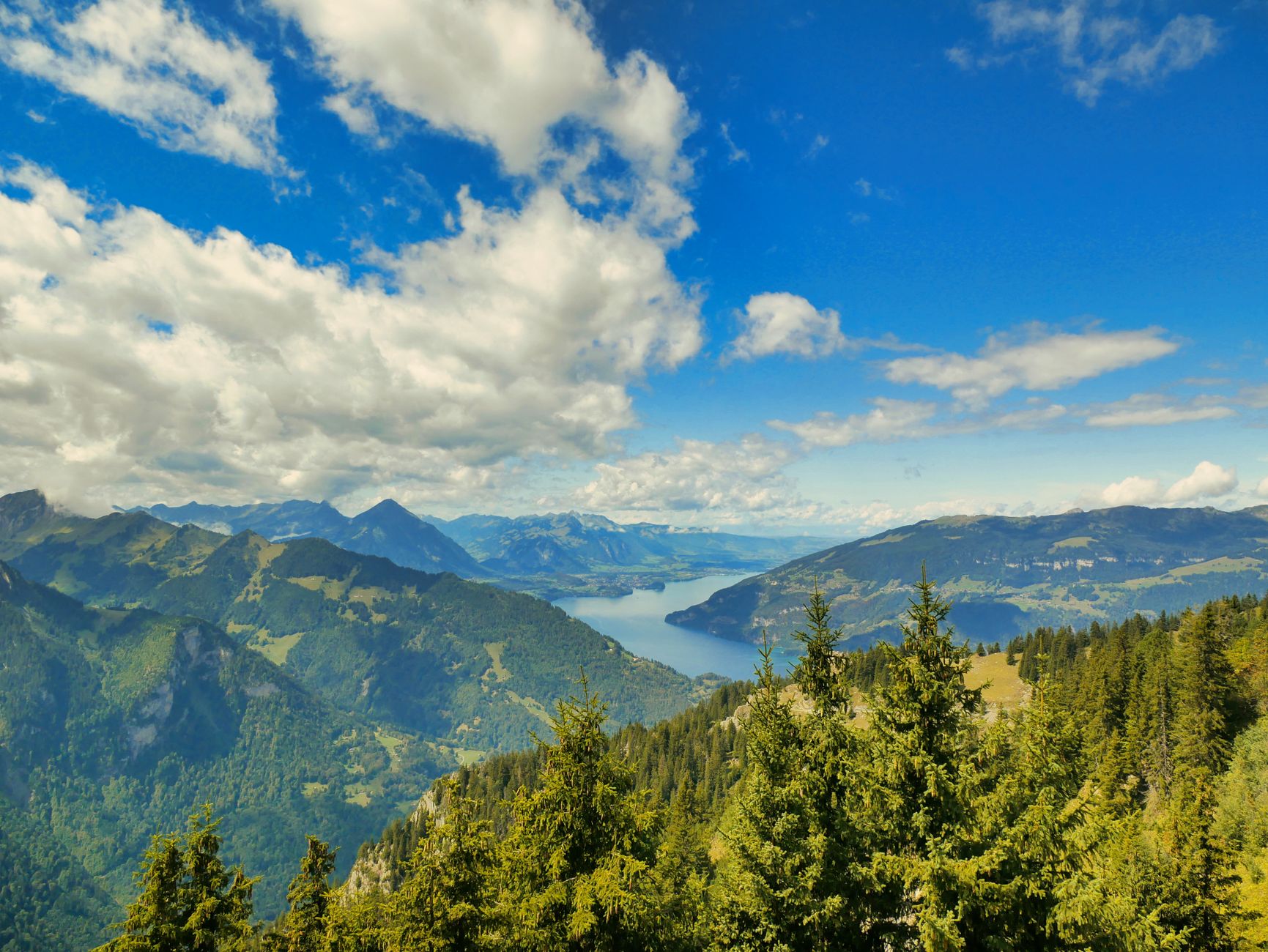
Sequoia National Park, known for its stunning giant sequoia trees, rich biodiversity, and breathtaking mountain landscapes, is a premier destination for outdoor enthusiasts and nature lovers alike. If you’re planning a trip from San Francisco to this remarkable park, understanding the distance, travel options, and best times to visit is essential.
This guide provides essential information about the journey from San Francisco to Sequoia National Park, including travel times, transportation options, must-see attractions, and practical tips for making the most of your visit.
How Far Is Sequoia National Park From San Francisco?
The distance from San Francisco to Sequoia National Park varies depending on your starting point and chosen route, but it is approximately 250 to 275 miles. Depending on traffic and driving conditions, the drive typically takes around 4.5 to 5.5 hours. Understanding this distance can help you plan your itinerary and schedule stops along the way.
Getting to Sequoia National Park from San Francisco
There are multiple transportation options to reach Sequoia National Park from San Francisco, including driving, public transportation, and even flying. Each option has its advantages and considerations based on your travel preferences and schedule.
Driving
Driving is one of the most popular and flexible ways to reach Sequoia National Park. Here’s a step-by-step breakdown of the drive:
- Start by taking I-80 E from San Francisco.
- Merge onto I-5 S towards Los Angeles.
- Take exit 143A to merge onto CA-99 S towards Bakersfield.
- From CA-99 S, take exit 57B to merge onto CA-198 E towards Visalia.
- Follow CA-198 E until you reach the entrance of Sequoia National Park.
As you drive, expect to encounter various landscapes, from urban views to sprawling farms and eventually the majestic Sierra Nevada mountain range. Consider making a few stops at interesting towns along the way, such as Bakersfield or Visalia.
Public Transportation
If you prefer not to drive, public transportation is another option, although it takes longer and can be less convenient. You can take a Greyhound bus from San Francisco to Visalia and then catch a local bus or shuttle to the park. Keep in mind that schedules might be limited, so plan your trips accordingly.
Flying
Flying is the quickest option if you want to reach Sequoia National Park in a short amount of time. The nearest airport is Fresno Yosemite International Airport (FAT), located about 60 miles away from the park. From there, you can rent a car or use a shuttle service to get to the park. The flight from San Francisco to Fresno takes about 1 hour, but you’ll need to factor in travel time to and from the airports.
What to Do at Sequoia National Park
Sequoia National Park offers numerous activities and attractions for individuals, families, and adventure seekers. From hiking and exploring giant sequoias to discovering geological wonders, there’s something for everyone.
Giant Forest
One of the park’s main attractions is the Giant Forest, home to some of the largest trees on Earth. Don’t miss the General Sherman Tree, which is the largest tree by volume in the world. Trail paths like the Congress Trail lead you through an enchanting grove of sequoias, providing visitors with stunning views and photo opportunities.
Hiking
With over 800 miles of hiking trails, hikers of all levels can find a suitable trek. Some recommended trails include:
- Tokopah Falls Trail: A moderately challenging 4-mile round-trip hike that leads you to a beautiful waterfall.
- Moro Rock Trail: This 0.5-mile steep trail brings you to a granite dome with panoramic views of the Sierra Nevada mountains.
- Maxson Trail: A quieter option that offers glimpses of wildlife and fewer crowds.
Wildlife Viewing
The park is home to diverse wildlife, including black bears, deer, and numerous bird species. Early morning or late evening are the best times for wildlife spotting. Always remember to maintain a safe distance from wild animals.
Visiting Crystal Cave
Another exciting attraction is Crystal Cave, known for its stunning granite formations. Guided tours are available, and it’s best to book tickets in advance during peak season, as tours can fill up quickly.
Where to Stay Near Sequoia National Park
Accommodation options near Sequoia National Park cater to various preferences and budgets. Here are some popular options:
Inside the Park
Staying inside Sequoia National Park lets you immerse yourself in the natural environment. There are several lodging options such as:
- Wuksachi Lodge: A rustic lodge with stunning views and immediate access to park attractions.
- Campgrounds: Several campgrounds are available for those looking to camp under the stars. Reservations are recommended, especially during peak season.
Nearby Towns
If you prefer more amenities, consider staying in nearby towns like Three Rivers or Visalia.
- Three Rivers: Just outside the park entrance, it offers various lodging options, including hotels, motels, and vacation rentals.
- Visalia: A larger city about an hour from the park, providing more accommodation options and services.
When to Visit Sequoia National Park
Sequoia National Park is open year-round, but the best time to visit largely depends on your preferences for activities and weather conditions.
Summer (June to August)
Summer is the peak season for visitors, with warm temperatures and longer days. It’s ideal for hiking, camping, and exploring the park, but expect larger crowds. Make reservations well ahead of time during this season.
Fall (September to November)
Fall offers cooler temperatures and stunning fall foliage. September remains pleasantly warm, and the crowds start to thin out, making it a great time for hiking and photography.
Winter (December to February)
Winter brings snow to the higher elevations, transforming the park into a winter wonderland. Some areas may be inaccessible due to snow, but winter sports, including snowshoeing and cross-country skiing, are available.
Spring (March to May)
Spring is a beautiful time to visit, as wildflowers bloom and waterfalls swell from snowmelt. However, rain is common in April and May, so be prepared for wet conditions.
Planning Your Trip: Budget Considerations
Budgeting for your trip to Sequoia National Park involves several factors, including transportation, accommodation, activities, and food. Here’s a breakdown to help you plan:
Transportation Costs
If you’re driving, consider gas prices and vehicle condition. For public transportation, check bus routes and prices. If flying, factor in round-trip airfare and rental car charges.
Accommodation Costs
Lodging prices vary widely based on location and season. Expect to pay more for services and amenities in nearby towns during peak seasons.
Park Entrance Fees
As of 2023, the entrance fee for vehicles is about $35, valid for seven consecutive days. For more extensive exploration, consider the America the Beautiful annual pass, which covers entrance fees to all US national parks.
Food and Activities
Dining options range from in-park dining to restaurants in nearby towns. Plan your meals according to your budget, and factor in costs for activities like guided tours or equipment rentals.
Packing Essentials for Your Sequoia Adventure
Proper planning can enhance your experience at Sequoia National Park. Here’s a packing checklist with essential items to consider:
- Clothing: Layered clothing suitable for varying temperatures, a hat, sunglasses, and sturdy hiking shoes.
- Camping Gear: If camping, pack a tent, sleeping bags, cooking supplies, and food. Don’t forget necessary permits.
- Hiking Supplies: Hydration systems, snacks, a map, and a first-aid kit should always be in your backpack.
- Camera: Capture the stunning landscapes and wildlife of Sequoia National Park.
Visitor Safety and Accessibility Considerations
Sequoia National Park is generally safe for visitors, but it’s essential to adhere to safety guidelines. Here are some tips:
Wildlife Safety
Observe wildlife from a safe distance. Never feed animals, as this disrupts their natural behavior and can lead to dangerous encounters.
Hiking Safety
Always stay on marked trails to prevent getting lost and to protect the environment. Be cautious about weather conditions and carry enough water and snacks on hikes.
Accessibility
The park offers various accessible trails and facilities. It’s advisable to contact the visitor center beforehand for specific information regarding accessible trails and accommodations.
A Suggested Itinerary for Your Trip to Sequoia National Park
Here’s a simple itinerary to help you plan a 2-day trip to Sequoia National Park, allowing for flexibility and exploration:
Day 1: Arrival and Exploring the Giant Forest
- Morning: Drive from San Francisco to Sequoia National Park; arrive by late morning.
- Midday: Check into your lodge or campground and grab lunch.
- Afternoon: Begin exploring the Giant Forest and visit the General Sherman Tree.
- Evening: Have dinner at Wuksachi Lodge or a local restaurant in Three Rivers.
Day 2: Hiking and Iconic Locations
- Morning: Early breakfast, then set out for a hike on the Tokopah Falls Trail.
- Midday: Return from your hike, pack a lunch, or enjoy a snack at a picnic area.
- Afternoon: Visit Moro Rock for amazing views and a short hike.
- Evening: Enjoy another evening in the park or travel back towards San Francisco if time permits.
Adjust this itinerary according to your interests and the length of your trip. Whether you spend one day or several, Sequoia National Park provides endless opportunities for exploration and connection with nature.
Sequoia National Park is a fantastic destination, offering stunning natural beauty and a variety of outdoor adventures just a few hours from San Francisco. Planning your visit thoughtfully will ensure you have a memorable experience exploring one of America’s treasured national parks.
For more related travel insights, consider checking out our articles on how far it is from Berkeley to San Francisco and how far Tennessee is from California.